
Review · ITALY ARCHITECTURE TOURS
Naples: San Gaudioso Catacombs Guided Tour
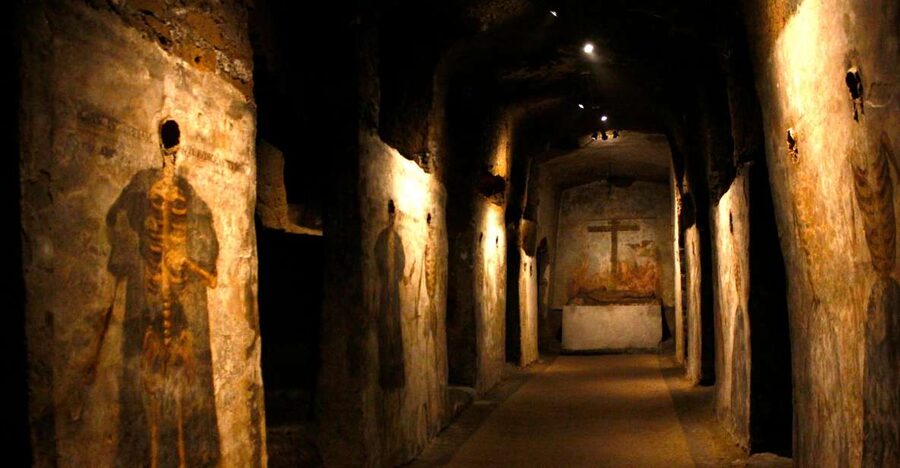
Naples keeps some of its most striking history underground. At the San Gaudioso Catacombs, you’ll move from early Christian burial chambers to 17th-century noble tombs, with frescoes, mosaics, and skulls built into the walls. The setting is eerie, but the story is more than a parade of bones.
I like two things right away: the guide-led format makes the unusual burial customs easier to understand, and the ticket includes free entry to the Catacombs of San Gennaro. I also like that the project supports cultural work in the Sanità neighborhood. The main drawback is the short 45-minute visit, and the meeting point can be confusing if you arrive at the wrong entrance.
Key points to know before you book
- Ancient and modern Naples meet underground: The tour covers St. Gaudiosus, early Christian art, noble burials, and the neighborhood’s present-day renewal.
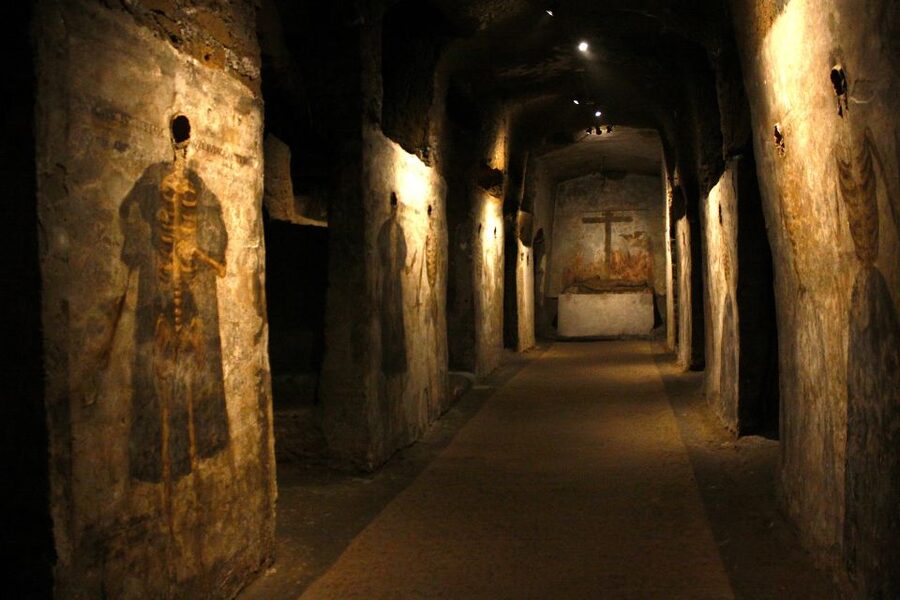
- Skulls form part of the display: Seventeenth-century burial practices included placing skulls in the walls of the ambulatory.
- The church is part of the visit: Your tour includes Basilica di Santa Maria della Sanità, an important bonus above the catacombs.
- Guides make the short tour count: Nello, Antonella, Claudia, Emanuele, and others have been praised for clear explanations, humor, and strong local ties.
- One ticket covers a second major site: Free entry to the Catacombs of San Gennaro is valid for 12 months.
- Arrive early and find the correct entrance: The ticket office opens at 9:30 AM, and you need to arrive 15 minutes before your booked time.
What the San Gaudioso Catacombs reveal about Naples
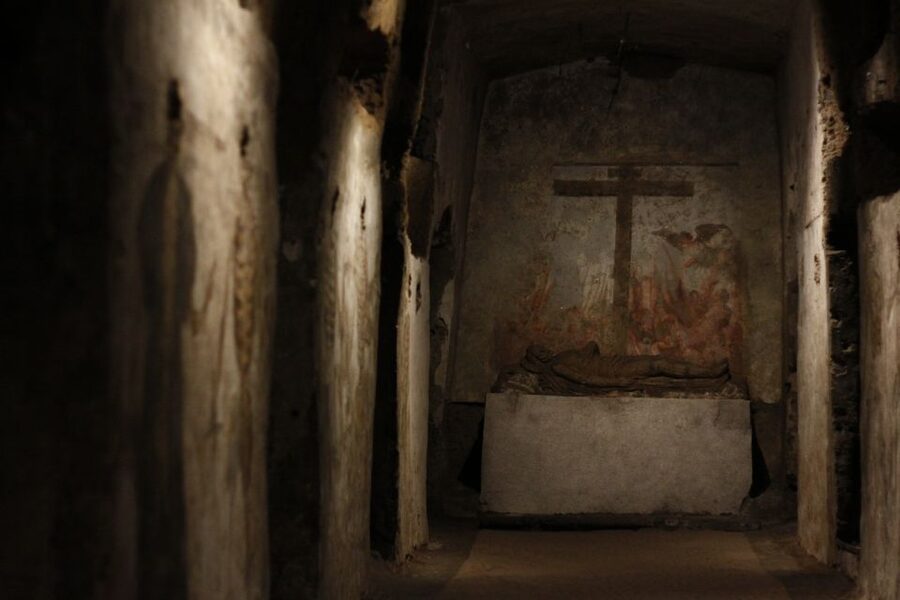
The San Gaudioso Catacombs are not simply underground corridors lined with bones. They show how burial customs changed across many centuries, from the first Christian communities in Naples to the aristocratic burial practices of the 1600s.
The site grew after the burial of St. Gaudiosus, a bishop from North Africa who died between 451 and 453 AD. His tomb helped turn the area into an important Christian cemetery. The catacombs are regarded as the second most important early Christian cemetery in Naples, after San Gennaro.
That distinction matters because the site preserves more than funerary spaces. You’ll see early Christian symbols, fifth- and sixth-century frescoes, mosaics, and the tomb associated with the saint. The guide explains how the cemetery expanded and how its role changed over time.
I find this historical layering more interesting than a simple ancient site. You are not looking at one untouched period. You are seeing centuries of belief, status, art, and changing ideas about death in one place.
More Guided Tours in Italy:
- Basilica San Marco and the Pala d’Oro with Architect Guide
★ 4.5 · 19 reviews - Noto: Sicilian Baroque Architecture Guided Walking Tour
★ 4.3 · 6 reviews - Chicago River: 1.5-Hour Guided Architecture Cruise
★ 4.8 · 8,046 reviews
The 45-minute route, from basilica to burial chambers
The experience includes a guided visit to both the Catacombs of San Gaudioso and the Basilica di Santa Maria della Sanità. The catacomb portion lasts about 45 minutes, so the pace is fairly brisk but not designed as an all-day archaeological visit.
You begin at the ticket office for the catacombs. Pay attention here. Some people have gone to the exit by mistake, and the entrance can be hard to identify from the street. One useful detail from past visits is that you may need to take an elevator down from street level to reach the correct area. Allow extra time to get your bearings.
Once the group gathers, the guide places the underground spaces in context. That is important because the chambers themselves can feel dark, strange, and disconnected from the city above. A good explanation turns them into a readable sequence: saint’s tomb, early Christian art, later noble burials, and the macabre display of skulls.
The basilica adds a welcome change of mood. The church above the catacombs is described as breathtaking, and the visit gives you time to appreciate its artwork and the connection between religious life above ground and burial traditions below it. If you only expect a dark tunnel, the church makes the experience feel more complete.
Early Christian art and the tomb of St. Gaudiosus
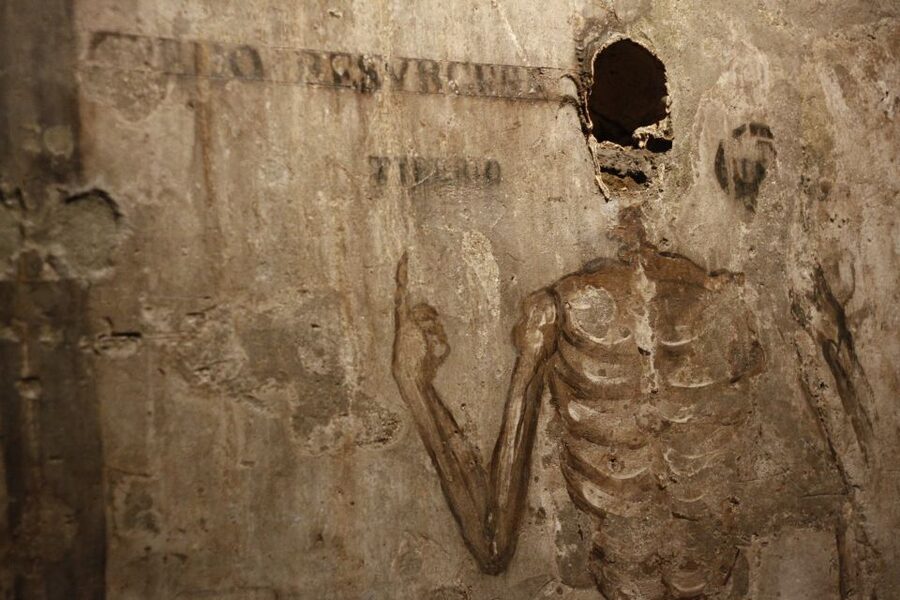
The oldest part of the visit focuses on the cemetery’s early Christian period. The fifth- and sixth-century frescoes and mosaics use familiar Christian motifs from the period, and the guide explains what they meant rather than leaving you to guess at faded images.
The tomb of St. Gaudiosus is one of the central points of the tour. His burial between 451 and 453 AD helped give the cemetery its importance. You can expect the guide to connect his story with the growth of Christian burial in Naples and the way a saint’s tomb could shape the use of an entire site.
The artwork is not presented as perfect museum pieces. Age, darkness, and the underground setting are part of the experience. You may need to listen carefully, especially if the group is large or another tour is nearby. One past visitor found that the commentary became harder to follow when several groups were in the same area.
That is a fair limitation. The guide is the main source of detail, and there is not a large amount of written signage to read independently. If you want to study every image at your own speed, this may feel too quick. If you prefer a story with the key details explained as you go, the format works well.
The skull walls and 17th-century noble tombs
The most memorable section for many people is the later burial area. When the catacombs resumed their role as a cemetery in the 17th century, parts of the site were used for nobles. The burial customs became more elaborate, and the walls of the ambulatory were used to display skulls.
This is where the tour becomes both fascinating and uncomfortable. The skulls are not presented as a random collection of remains. They are part of a carefully arranged burial practice tied to status, memory, and the treatment of the dead.
You’ll also learn how Dominican influence shaped the organization of the noble burials. The guide helps explain who these spaces were meant for and how the arrangement reflected social rank.
The catacombs can feel eerie, and the subject matter is plainly macabre. If you are sensitive to skulls, enclosed spaces, or images of death, prepare yourself. One useful way to think about the visit is that the discomfort has a purpose. It shows a side of European history that grand churches often soften or hide.
The artwork by Giovanni Balducci adds another layer. He is said to have refused payment for his work so that he could be buried among Naples’ aristocrats. That detail links artistic ambition, social status, and burial customs in a single story. It is exactly the kind of human detail that helps the site stay in your mind after the tour ends.
Same city, a different facade:
- Lecce: Baroque Architecture and Underground Walking Tour
★ 4.6 · 1,248 reviews - Experience Florence’s Art and Architecture on a Walking Tour
★ 5.0 · 318 reviews - Palermo: Art and Architecture Walking Tour
★ 4.7 · 136 reviews - Caprarola: Villa Farnese, masterpiece of Renaissance architecture
★ 4.5 · 28 reviews
Why the guides matter here
This is a place where the guide can make or break the visit. Without context, you see a church, some underground chambers, old artwork, and skulls. With a strong guide, you understand how the site developed and why the burial practices changed.
The English and Italian tours have received especially strong praise for clear explanations and lively delivery. Nello has been noted for his storytelling, historical insight, and humor. Antonella has guided both San Gaudioso and San Gennaro, and has been praised for making complex subjects easy to follow. Claudia, Emanuele, Flavia, Lisa, Valentina, Sara, and other guides have also been singled out for warmth and enthusiasm.
Guide assignments can change, so you cannot book a specific person. Still, the pattern is useful: this is not a silent, audio-guide-style visit. You get a live explanation from someone who knows the site and, in several cases, has a close connection to the Sanità district.
That local connection gives the tour extra weight. The guides explain not only the ancient cemetery but also the work of Don Antonio Loffredo and the La Paranza project, which supports young people, culture, and neighborhood renewal. Your ticket contributes to that local work.
I value this part because it keeps the tour from treating Sanità as a backdrop for old bones. You learn something about present-day Naples too, including how cultural sites can help strengthen a neighborhood.
The Sanità district adds meaning above ground
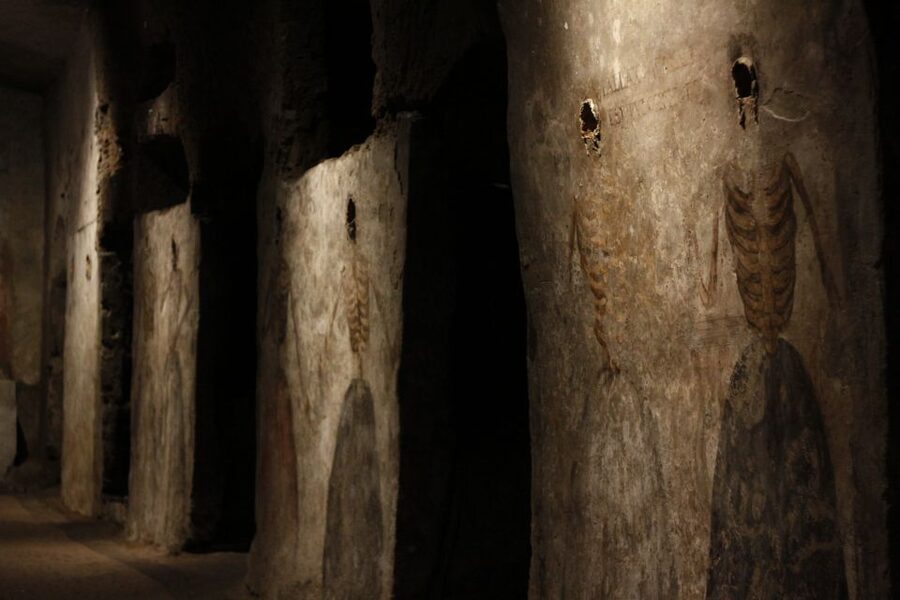
The Catacombs of San Gaudioso sit below the Basilica di Santa Maria della Sanità, in the Sanità district of Naples. The tour does not turn into a full neighborhood walk, but the guide may connect the underground site with the area’s recent past and cultural development.
That context is useful. Sanità has not always been seen as an easy part of Naples for outsiders to explore, and the local regeneration work gives the catacombs a purpose beyond admission revenue. Several guides explain how tours help fund community projects and local opportunities.
For you, this means the $15 price is doing more than buying a short attraction. You get access to a historically important site, a guided explanation, the basilica, and a second catacomb visit. You also support a local cultural organization working in the district.
At this price, the value is strong. The visit is short, but the added San Gennaro ticket changes the calculation. If you have enough time to use that second admission, you are effectively getting two major underground sites for a modest cost.
The free San Gennaro ticket is a real bonus
Your San Gaudioso ticket includes free entry to the Catacombs of San Gennaro, valid for 12 months. This is one of the best practical features of the experience.
San Gennaro is a separate site, so do not expect to visit both during the 45-minute San Gaudioso tour. Plan it for another part of your Naples stay, or return within the 12-month validity period if your plans allow.
The two catacombs are not identical. Visiting both gives you a broader sense of Naples’ underground religious and burial heritage. San Gaudioso focuses strongly on the cemetery’s early Christian roots, later noble burials, skull displays, and its connection with the basilica above.
Several people have used the second ticket a few days later and found it worthwhile. If you have even a little extra time in Naples, I would treat San Gennaro as part of the same cultural outing rather than an optional afterthought.
Timing, meeting point, and comfort
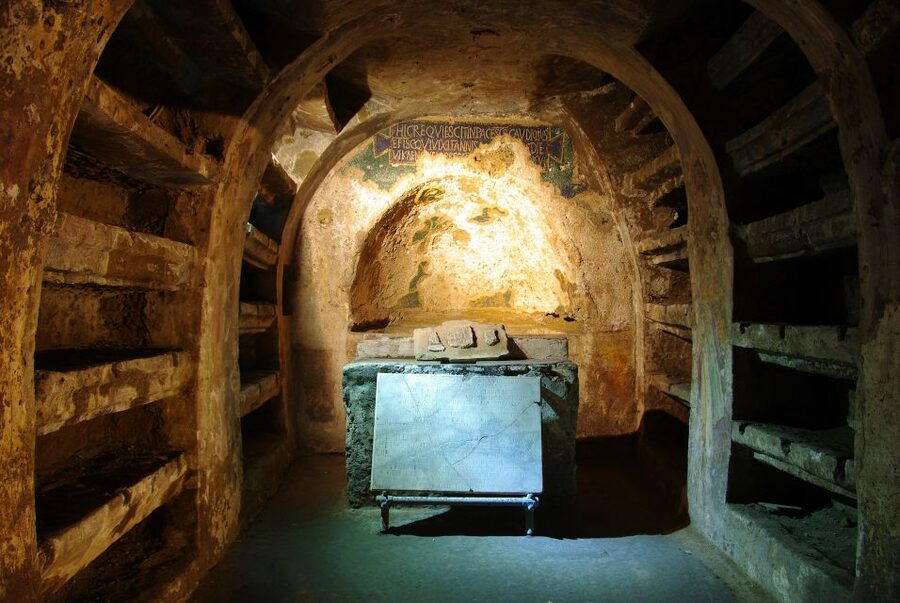
The ticket office opens at 9:30 AM. Your ticket is tied to the day and time you purchase, so arrive at least 15 minutes early. Late arrival is a serious problem: missing the departure does not allow you to join a later tour or receive a refund.
The meeting point is the ticket office of the Catacombs of San Gaudioso. Check the entrance carefully before your travel day. The comments about ending up at the exit, or needing to take an elevator down from the street, point to a real planning issue.
The catacombs are underground, enclosed, and sometimes narrow. If you are claustrophobic, squeamish, or have mobility concerns, you may find parts of the visit difficult. The supplied information does not provide a detailed accessibility description, so contact the operator before booking if you need specific assistance.
The tour is available in English and Italian. The strongest feedback consistently focuses on guides who speak clearly and invite questions. Still, the group setting and the acoustics may affect how easily you hear every word.
Is $15 good value?
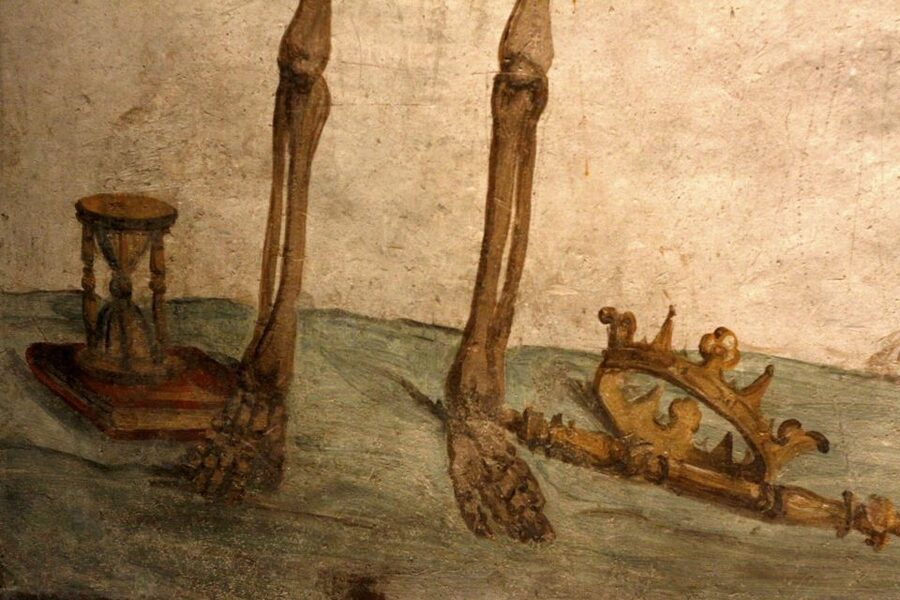
Yes, especially if you use the San Gennaro admission. At $15 per person, the tour is cheaper than many major guided attractions in Naples, while offering a live guide, the basilica, and access to another catacomb within 12 months.
The 45-minute length keeps it easy to fit into a busy day. You can place it between visits in central Naples without giving up half a day. On the other hand, the short format means you should not expect a slow, scholarly examination of every fresco or burial chamber.
The best value comes from pairing the visit with San Gennaro. If you only have time for San Gaudioso, the price still makes sense for the guide and the unusual setting. If you skip the second catacomb, you are leaving part of the ticket’s value unused.
Free cancellation up to 24 hours before the booked time and the option to reserve now and pay later make planning easier. The important catch is the strict departure rule, so flexibility does not extend to arriving late.
Who should book this tour?
I would recommend San Gaudioso to anyone who wants a side of Naples beyond paintings, palaces, and pizza. History fans will appreciate the early Christian cemetery, the fifth- and sixth-century art, and the changes in burial practice.
It also suits visitors with a short schedule. The main tour takes 45 minutes, and the basilica gives you another visual highlight without requiring a separate booking.
Families with older children may find the skulls and burial customs memorable, though parents should decide how comfortable their children are with macabre subjects. The site is not a light, playful attraction.
Art lovers should pay attention to the frescoes and mosaics, especially the work linked to Giovanni Balducci. People interested in responsible tourism will also appreciate learning how admissions support La Paranza and cultural work in Sanità.
I would be more cautious if you dislike enclosed spaces, need a fully step-free visit, or prefer to explore without a guide. The experience depends heavily on listening, and the limited signage means you cannot rely on reading your way through the site.
Should you book the San Gaudioso Catacombs?
Book it if you want a compact, unusual Naples experience with strong historical context and a useful second admission. The best reasons are the combination of ancient Christian art, noble tombs, skull displays, the basilica above, and the local community connection.
Before you commit, mark the correct entrance, arrive 15 minutes early, and accept that the tour is brief. If you can use the San Gennaro ticket too, the value becomes particularly good.
For me, the tour is worth choosing because it gives you more than a spooky underground stop. It shows how Naples remembers its dead, how art and social rank shaped burial, and how a historic site can help renew the neighborhood around it.
FAQ
How long is the Catacombs of San Gaudioso tour?
The guided tour lasts 45 minutes and includes the Catacombs of San Gaudioso and Basilica di Santa Maria della Sanità.
What is included in the ticket?
The ticket includes the 45-minute guided tour and free entry to the Catacombs of San Gennaro. The San Gennaro admission is valid for 12 months.
Is the tour available in English?
Yes. Live guided tours are available in English and Italian.
Where do I meet the guide?
Meet at the ticket office of the Catacombs of San Gaudioso.
How early should I arrive?
Arrive at the ticket office 15 minutes before your booked tour time. The ticket office opens at 9:30 AM.
What happens if I arrive late?
If you arrive after the tour has departed, you cannot join a later tour and you will not receive a refund.
Can I cancel the booking?
Yes. You can cancel up to 24 hours in advance for a full refund. You can also reserve now and pay later.
Newly added in Italy
- Walking tour in Venice with an architect★ 5.0 · 16 reviews
- Venice Art and Architecture Private Walking Tour★ 4.5 · 11 reviews
- Basilica San Marco and the Pala d’Oro with Architect Guide★ 4.5 · 19 reviews
- LECCE: AMONG ARCHITECTURAL TREASURES IN THE LECCE BAROQUE★ 4.7 · 3 reviews
- Martina Franca: Baroque and Rococo Architecture Walking Tour★ 5.0 · 4 reviews
- Noto: Sicilian Baroque Architecture Guided Walking Tour★ 4.3 · 6 reviews
- Private Tour: Venice Art and Architecture Walking Tour★ 4.0 · 22 reviews
- City Walk with Architect: Private walking tour of Rome★ 5.0 · 22 reviews
Italy Architecture Tours, compared.
Baroque Architecture and Underground Walking Tour
Read our review →
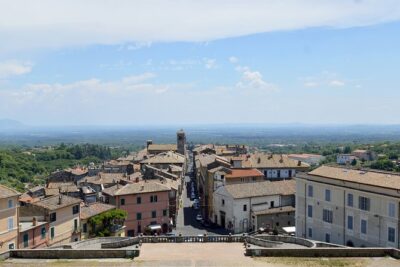
Caprarola: Villa Farnese, masterpiece of Renaissance architecture
Read our review →
Best of Bologna in one day : Food, architecture, art and history
Read our review →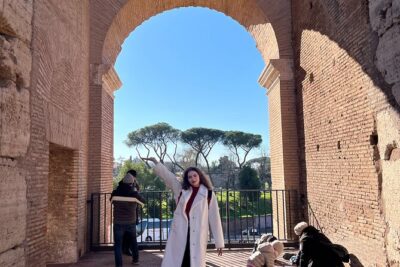
City Walk with Architect: Private walking tour of Rome
Read our review →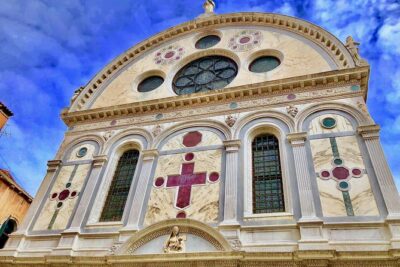
Private Tour: Venice Art and Architecture Walking Tour
Read our review →
Basilica San Marco and the Pala d’Oro with Architect Guide
Read our review →
Browse the lists this tour appears in