
Review · WALKING TOURS
Palermo: Art and Architecture Walking Tour
Palermo’s best sights make more sense when you see them as a chain of cultures rather than a pile of old buildings. This private walking tour links the Cappella Palatina, Palermo Cathedral, Fontana Pretoria, Quattro Canti, and Teatro Massimo into one clear story, from the Phoenicians to modern Sicily.
I like the small-group format, which gives your guide room to adjust the pace and explain what catches your eye. I also like the route’s mix of grand monuments and ordinary city streets, including local markets and small cultural detours when time allows. The main consideration is price: at $317.20 for up to five people, it makes the most sense for a family or group, especially since entrance tickets are extra.
- The Cappella Palatina and Palermo Cathedral bring Palermo’s Arab-Norman and later architectural styles into sharp focus.
- A private group of up to five allows the guide to adapt the walk for children, older adults, or special interests.
- Teatro Massimo and Teatro Politeama show Palermo’s grand 19th-century side beyond its medieval churches.
- Fontana Pretoria and Quattro Canti offer two of the city center’s most striking public spaces.
- Guides such as Maria, Diana, Roberta, and Francesca have been praised for clear explanations, flexibility, and help with access and pacing.
- Separate entrances may save time, but admission costs are not included and must be paid directly to the guide.
Palermo’s story begins on foot
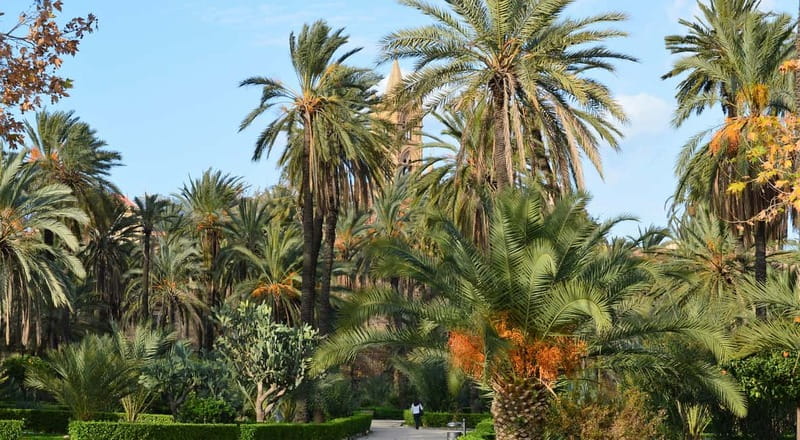
I like starting in Palermo’s historic center because the city reveals itself in layers. You move from broad streets and theatrical buildings into tighter medieval lanes, then arrive at religious monuments decorated by rulers from very different cultures.
The route presents Palermo’s past from its Phoenician beginnings through the Roman Republic, Byzantine rule, the Arab-Norman period, and later Spanish and Italian influence. You will not get a full academic history course in three hours, but a good guide can give you the useful framework: who built each place, why it mattered, and how Sicily’s position in the Mediterranean shaped its art.
The walk begins from one of two possible meeting points, Teatro Politeama Garibaldi or Villa Bonanno, depending on the option you book. Confirm the exact starting point before you set out. There is no hotel pickup, so plan to reach the meeting place on your own.
From Politeama to Palermo’s grand theaters
Teatro Politeama Garibaldi is a fitting starting point for a city walk. Its monumental design introduces the grand public architecture of Palermo, while the surrounding Politeama district gives you a sense of the city beyond the oldest lanes.
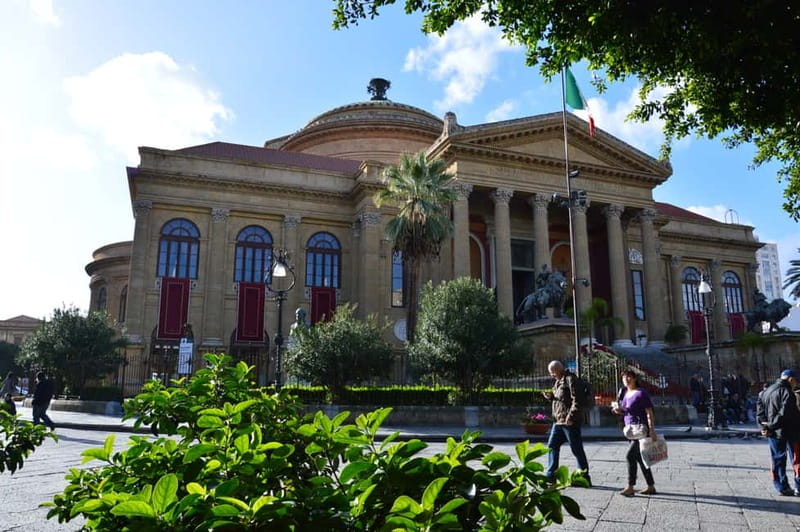
From there, the route continues toward Teatro Massimo, one of Europe’s largest opera houses. The exterior is a major photo stop, with a scale that can surprise you after the narrower streets of the old center. Your guide can place the theater in Palermo’s later civic story, when public buildings and opera houses expressed wealth, ambition, and civic pride.
The scheduled stop at Teatro Massimo lasts about 29 minutes. That is enough time for an exterior explanation and photographs, though not enough for a leisurely theater visit or a performance. Entrance to monuments is not included, and the supplied details do not promise an interior visit to Teatro Massimo.
This part of the route helps keep the tour from becoming church after church. You see Palermo as a living city with grand theaters, busy streets, and public squares as well as medieval monuments.
More Walking Tours in Italy
- Lecce: Baroque Architecture and Underground Walking Tour
★ 4.6 · 1,248 reviews - Experience Florence’s Art and Architecture on a Walking Tour
★ 5.0 · 318 reviews - City Walk with Architect: Private walking tour of Rome
★ 5.0 · 22 reviews
Fontana Pretoria and the city’s public drama
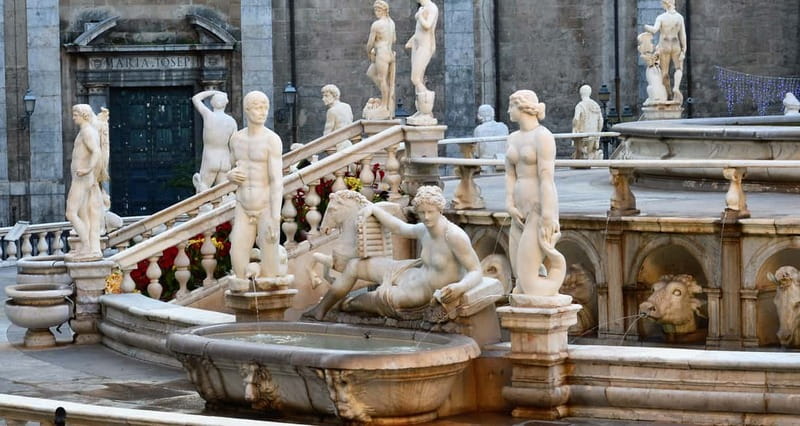
Fontana Pretoria is one of the walk’s most memorable outdoor stops. The monumental fountain fills a large square with sculpture and movement, making it an easy place to appreciate how Palermo uses public space.
The planned visit lasts about 15 minutes. That may sound brief, but it works well for a focused explanation and photographs. You can listen for the stories behind the fountain’s figures and its place in Palermo’s civic life without spending too much of your walking time standing in one spot.
This is also a useful moment to notice the contrast between open public architecture and the enclosed world of Palermo’s churches. The route does not simply take you to famous names. It shows how power was expressed through fountains, squares, theaters, royal buildings, and religious art.
Inside Palermo Cathedral’s many architectural layers
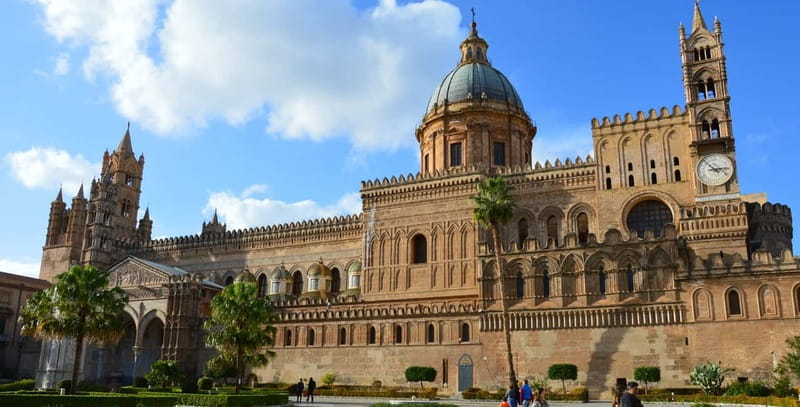
Palermo Cathedral is likely to be the longest stop, with about an hour scheduled for the visit. It earns that time. The exterior alone presents several periods, including Gothic forms, early Renaissance additions, and Baroque changes.
A guide is especially useful here because the building can look like one grand monument at first glance. Your guide can help you spot how different eras altered the cathedral and explain the religious and political reasons behind those changes.
The visit is listed as a photo stop, guided tour, and monument visit. Entrance fees are extra. If you qualify for free admission, you still pay a €3 reservation fee per person. On the first Sunday of each month, entrance to the monuments is free, but the €3 per person fee for booking and headsets still applies.
Dress and bags need attention. Shorts are not allowed, and large bags or backpacks cannot be taken inside the monuments. Wear clothing that suits a religious site and bring only what you need for the walk. Comfortable shoes, sunglasses, a sun hat, and sunscreen are sensible choices for Palermo’s streets.
The Cappella Palatina and the Arab-Norman chapter
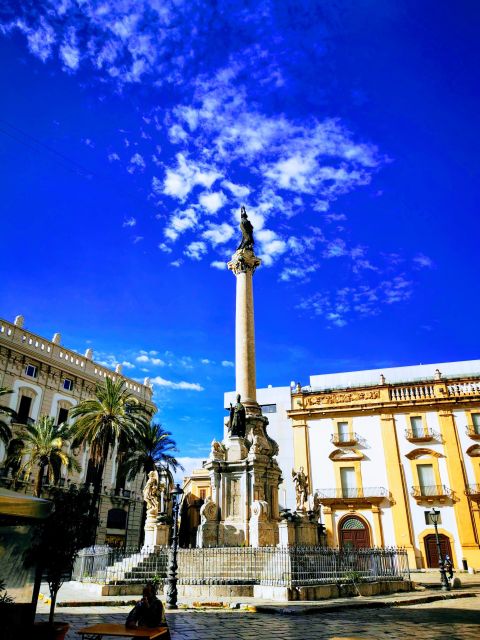
The Cappella Palatina, or Palatine Chapel, is one of the tour’s strongest reasons to book. It sits in the Palazzo Reale and connects Palermo’s royal, religious, Byzantine, Arab, and Norman traditions in one compact interior.
The supplied route description places the chapel among the principal highlights, even though the stop-by-stop timing gives more detail for the cathedral than for the chapel. Confirm the exact admission plan and available time with your guide at the start. The chapel requires an entrance ticket, and that cost is not part of the tour price.
What makes the chapel valuable is not only its decoration. It represents the Arab-Norman period, when Sicily’s rulers drew on several artistic traditions rather than following one narrow style. Your guide can explain the religious rites connected with the space and help you understand why the interior matters beyond its photographs.
The tour’s separate entrance arrangement may help you avoid the main line, but it does not mean every queue disappears. Admission procedures can still take time, and your guide’s role is important here. Roberta, one of the guides named in the feedback, was praised for handling lines and finding elevator and seating access while accompanying elderly parents. That kind of practical help can matter as much as the historical commentary.
Same city, a different facade:
- Naples: San Gaudioso Catacombs Guided Tour
★ 4.7 · 1,105 reviews - Caprarola: Villa Farnese, masterpiece of Renaissance architecture
★ 4.5 · 28 reviews - Best of Bologna in one day : Food, architecture, art and history
★ 5.0 · 27 reviews - Private Tour: Venice Art and Architecture Walking Tour
★ 4.0 · 22 reviews
Quattro Canti and the medieval center
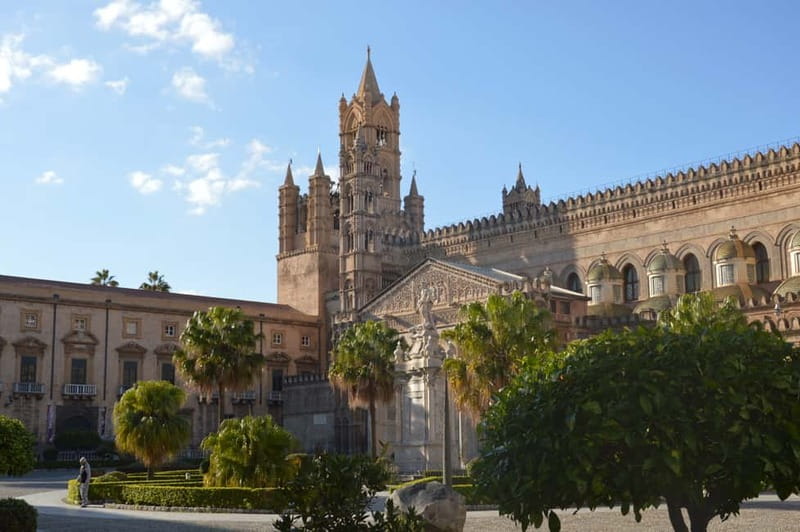
Quattro Canti gives you a strong sense of Palermo’s street plan. Four curved building fronts frame the intersection, creating one of the city’s most recognizable urban spaces.
The scheduled explanation lasts about 30 minutes. That gives your guide room to talk about the square, the surrounding streets, and the way Palermo’s historic center is organized. It is also a good point to pause, take photographs, and recover before continuing.
Walking between the major stops is part of the experience. The historic center is not just a series of monuments with a city in between. The winding streets, changing façades, small shops, and local activity help you understand how the grand buildings fit into daily life.
One guide, Francesca, was particularly praised for adding local markets and streets to the experience, along with explanations of Palermo’s customs and culture. She also included a couple of small shop detours. That sort of flexibility is worth asking for if you want more than a standard monument route, though the exact additions will depend on timing and your group’s interests.
The story of Saint Rosalia
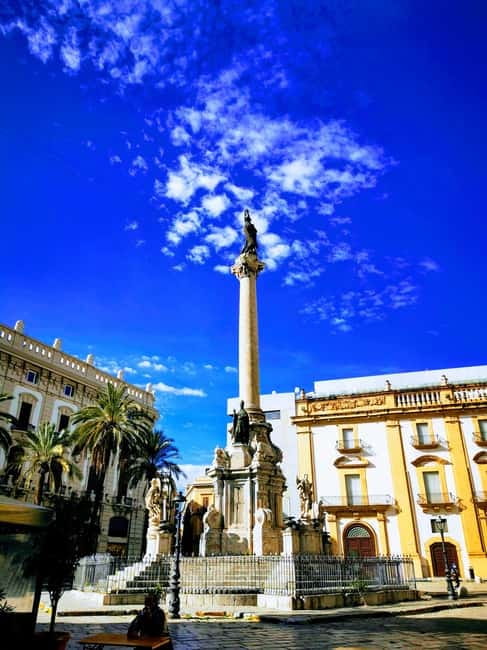
The tour also brings in the legend of Saint Rosalia, Palermo’s patron saint. Her story gives you a personal and emotional entry into the city’s religious life.
A legend is not the same as a confirmed historical account, and a good guide should make that distinction clear while still explaining why the story matters. Saint Rosalia’s importance reaches beyond a single church or relic. She remains part of Palermo’s identity, and learning about her helps connect the formal monuments with local devotion.
This is the sort of subject that benefits from a live guide. A plaque can give you dates and names, but it cannot easily explain how a saint’s story fits into the city’s customs and sense of place.
What the three-hour format really gives you
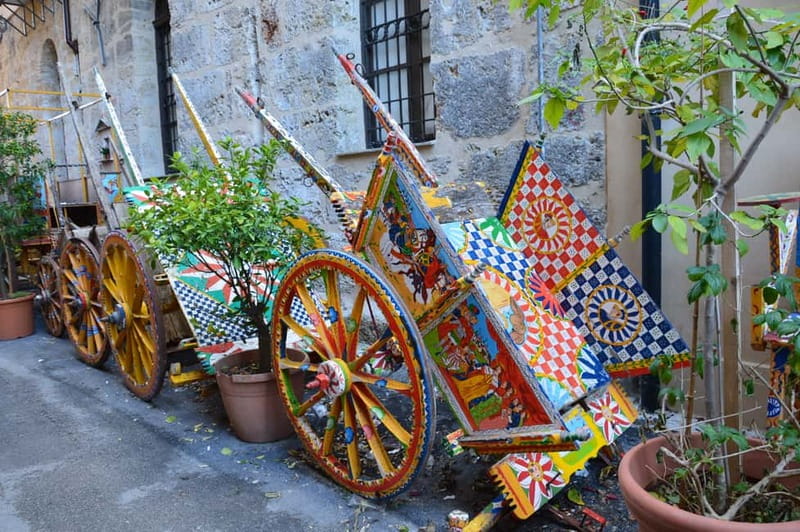
The activity is described as lasting three hours, though the general description also calls it a half-day tour and lists several timed visits. Think of it as a concentrated walk rather than a slow, museum-style day.
You will cover a lot of ground. The route includes the Politeama district, Teatro Massimo, the historic center, Fontana Pretoria, Palermo Cathedral, Quattro Canti, and the Cappella Palatina. The exact order and amount of time inside each monument can change with opening arrangements, queues, and your group’s interests.
That pace is a strength if you have limited time in Palermo. You get a useful first look at the city and can return later to the places that deserve more time. It is less suitable if you want to sit quietly in every church, study every mosaic, or spend a long time inside a single museum.
This is a walking tour, so good shoes matter. The route includes streets and squares as well as major buildings. Bring water if you need it, but avoid large bags because they are not permitted inside the monuments.
Private groups, family pacing, and access
The price covers a private group of up to five people. For a full group, the cost works out to about $63.44 per person before entrance fees. That is not the cheapest way to see Palermo, but it is a fairer value if you want a private guide and can fill all five places.
For one or two people, the price is harder to justify unless personal attention is your main priority. A private tour can be useful when your interests are specific, when you want to move at your own pace, or when your group includes children or older adults.
The tour is suitable for all ages, and the guide is expected to involve both parents and children. That does not mean the walk becomes a children’s tour. It means your guide can adjust explanations and keep younger members part of the conversation.
The activity is wheelchair accessible. Still, Palermo’s historic streets and monument entrances can vary, so tell the provider about access needs when booking. Roberta’s help with elevators and seating shows the practical advantage of having a guide who can respond to the needs of your group.
Language choices include English, Italian, French, Spanish, German, and Russian. Guide assignments vary. Maria, Diana, Roberta, and Francesca are names connected with especially strong feedback, but you should not assume one of them will lead your tour.
What is included and what costs extra
A licensed guide is included. Headsets are provided for groups larger than 15, though the advertised format is a private group of up to five, so this detail is unlikely to affect most bookings.
Food, drinks, pickup, drop-off, and monument entrance tickets are not included. Entrance fees are paid directly to the guide before departure. The free-entry rules on the first Sunday of each month still involve a €3 per person reservation and headset fee.
Because admission is extra, calculate the total before booking. The headline price covers the guide and private format, not a complete day of sightseeing. For a group of five that wants a clear introduction to Palermo, the cost can make sense. For a solo visitor, the same price buys a much more expensive introduction.
The booking terms offer flexibility, with reserve-now-and-pay-later availability and cancellation stated as free up to 24 hours in advance. Another section says cancellations under 48 hours and no-shows are charged in full, so check the exact cancellation rule shown for your selected booking before paying. The tour can be booked up to two days ahead.
Who will get the most from this walk
I would choose this tour if you want Palermo’s major sights explained in one connected route, especially on a first visit. It suits families, groups of friends, and older adults who benefit from a flexible pace.
It is also a good fit if you want to ask questions. The private format lets you spend more time on Arab-Norman art, Saint Rosalia, local markets, architecture, or the city’s theater culture instead of following a fixed script.
You may want something else if you dislike walking, want extensive time inside each monument, or prefer to explore entirely on your own. You will also need to budget separately for admissions and manage the dress and bag rules at religious sites.
Should you book the Palermo art and architecture tour?
Book it if you can fill most of the five available places and want a well-organized introduction to Palermo’s biggest sights. The combination of the Cappella Palatina, Palermo Cathedral, Fontana Pretoria, Quattro Canti, and Teatro Massimo gives you a strong first-day route, while the private guide can adapt it to your group.
The best reason to choose it is not simply the number of monuments. It is the chance to connect Palermo’s Phoenician, Roman, Byzantine, Arab-Norman, and modern chapters while walking through the streets between them.
Skip it if the price is too high for your group size or if you want a slow, highly specialized art tour. Otherwise, wear comfortable shoes, confirm the starting point, budget for admission tickets, and ask your guide to include local streets or markets if that interests you.
FAQ
How long does the Palermo art and architecture tour last?
The activity is listed as lasting three hours. It is also described as a half-day experience, and the route includes several guided stops, so the exact pace can vary.
Where does the tour start and end?
The possible starting points are Teatro Politeama Garibaldi and Villa Bonanno, depending on the option booked. The tour ends back at the meeting point.
Is this a private tour?
Yes. The activity is offered as a private group experience for up to five people.
Are monument entrance tickets included?
No. Entrance tickets are not included. You pay the fees directly to the guide before departure. Free-entry visitors still pay a €3 per person reservation fee, and the first Sunday of each month has a €3 per person booking and headset fee.
Is the tour wheelchair accessible?
Yes, the tour is wheelchair accessible. Large bags and backpacks are not permitted inside the monuments.
What languages are available?
The live guide may conduct the tour in Russian, English, French, Italian, Spanish, or German.
Newly added in Italy
- Venice Art and Architecture Private Walking Tour★ 4.5 · 11 reviews
- Basilica San Marco and the Pala d’Oro with Architect Guide★ 4.5 · 19 reviews
- Walking tour in Venice with an architect★ 5.0 · 16 reviews
- Noto: Sicilian Baroque Architecture Guided Walking Tour★ 4.3 · 6 reviews
- LECCE: AMONG ARCHITECTURAL TREASURES IN THE LECCE BAROQUE★ 4.7 · 3 reviews
- Martina Franca: Baroque and Rococo Architecture Walking Tour★ 5.0 · 4 reviews
- City Walk with Architect: Private walking tour of Rome★ 5.0 · 22 reviews
- Private Tour: Venice Art and Architecture Walking Tour★ 4.0 · 22 reviews
Walking Tours, compared.
The Official Art Deco Walking Tour by The Miami Design Preservation League
Read our review →
Baroque Architecture and Underground Walking Tour
Read our review →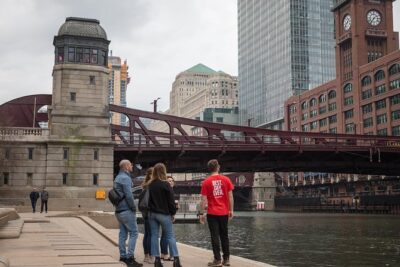
Chicago in a Day: Food, History & Architecture Walking Tour
Read our review →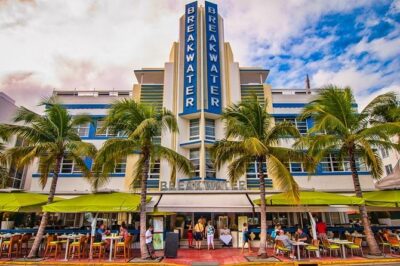
Ramblas, Old Town, Gothic and Gaudi Architecture Walking Tour
Read our review →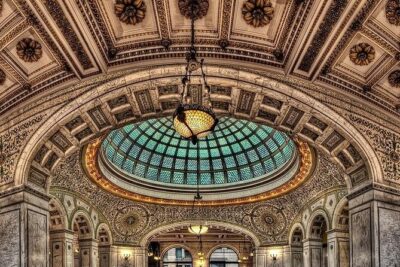
Chicago’s Secret Interiors Architectural Walking Tour
Read our review →
Browse the lists this tour appears in