
Review · ITALY ARCHITECTURE TOURS
Palermo Tour: Magnificent Mixture Of Architectural Styles
Palermo reveals its character through contrasts: grand theaters, Norman-era religious buildings, Arabic-influenced lanes, and food markets packed into one walk. This private two-hour tour links the city’s best-known sights with the streets between them, so you get more than a quick look at isolated monuments.
I like the route for two reasons. It begins at Politeama Square, an easy central meeting point, and it reaches both Teatro Massimo and Palermo Cathedral. I also like the human touch reported from guides Roberta and Marilou, with the tour shaped around local stories, history, and less obvious corners. The main drawback is time: two hours is enough for an introduction, not a full visit to every interior or market stall.
Key points at a glance
- A private group for up to 25 people: You get your own guide, though a very large private group may feel less personal than a small one.
- A clear central route: Start at Politeama Square and finish at Piazza San Domenico without needing transport.
- Three major Palermo sights: See Teatro Massimo, Palermo Cathedral, and the Vucciria and Capo market areas.
- Arabic-influenced streets: The route gives you a sense of Palermo’s layered architecture beyond the postcard buildings.
- Flexible multilingual guiding: Guides speak English, Italian, French, German, and Spanish.
- A short introduction with strong local character: Roberta is noted for combining major sights with quieter, less advertised corners, while Marilou presents Palermo in an authentic, personal way.
Starting at Politeama Square
The walk begins in Piazza Ruggiero Settimo, usually called Piazza Politeama, in front of the Politeama Theater and beside the statue. This is a practical place to start because several of Palermo’s main streets meet here. You are not being sent to an obscure side street or a distant pickup point.
The tour is entirely on foot. There is no hotel pickup, private car, or included public transportation, so plan to arrive at the square on your own. That keeps the outing simple and gives the guide the full two hours for Palermo itself.
Starting here also sets up the city’s changing architectural mood. The opening streets lead away from the square toward Via Ruggero VII, then into narrower lanes and older market districts. You begin with broad urban spaces and finish among historic streets where the city feels more crowded and irregular.
A few more architecture walks in Italy worth a look
- Lecce: Baroque Architecture and Underground Walking Tour
★ 4.6 · 1,248 reviews - Experience Florence’s Art and Architecture on a Walking Tour
★ 5.0 · 318 reviews - Palermo: Art and Architecture Walking Tour
★ 4.7 · 136 reviews
Via Ruggero VII and the city’s polished center
Via Ruggero VII is known as the living room of Palermo. That nickname points to its role as one of the city center’s grand, social streets. It connects the opening square with the central sights and gives your guide a chance to explain Palermo through its streets, not only through formal monuments.
You then continue along Via Principe di Belmonte, known for its historic shops. This part of the route is useful for getting your bearings. Palermo is not a city that reveals itself through one neat central avenue, and the walk helps you see how commercial streets, squares, palaces, and side lanes fit together.
I would pay attention here to the transitions. The value is not just reaching the next stop. You are watching Palermo shift from formal city center to older neighborhoods, with changes in street width, building fronts, and daily activity along the way.
Teatro Massimo, Palermo’s great theater
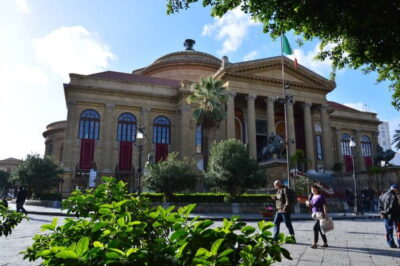
The route next reaches Teatro Massimo, the largest lyric theater in Italy and the third largest in Europe. Even if you only see the exterior, this is a major stop and one of the tour’s clearest visual anchors.
The theater gives the walk a grand pause before it moves into the Arabic-origin neighborhood. Your guide can place the building within Palermo’s wider story of changing rulers, artistic tastes, and competing architectural styles. The title of this experience is well earned here, because the route does not treat Palermo as if it belonged to one period or one design tradition.
Do note the wording of the experience: you visit the theater as part of a walking route, but no interior theater admission is listed. If entering Teatro Massimo is important to you, ask about that before booking rather than assuming it is included.
Into Palermo’s Arabic-origin lanes
After Teatro Massimo, the route leaves the broad central streets and follows alleys and lanes associated with Palermo’s Arabic origins. This is where the walk becomes more about texture and atmosphere than formal sightseeing.
You will pass through crowded squares and streets shaped by centuries of mixed influence. The buildings and street pattern help explain why Palermo can feel very different from a more orderly Italian city center. Your guide’s role matters especially here, since the lane itself may not come with an obvious explanation.
Roberta is described as combining Palermo’s main attractions with quiet corners that do not appear on typical information sites. That makes this section potentially the most distinctive part of the walk. It is also where you should allow for a slower pace. Narrow streets, crowded areas, and stops for explanation can make the route feel full even when the distance is not great.
Same city, a different facade:
- Naples: San Gaudioso Catacombs Guided Tour
★ 4.7 · 1,105 reviews - Caprarola: Villa Farnese, masterpiece of Renaissance architecture
★ 4.5 · 28 reviews - Best of Bologna in one day : Food, architecture, art and history
★ 5.0 · 27 reviews - City Walk with Architect: Private walking tour of Rome
★ 5.0 · 22 reviews
Capo Market and the city’s everyday side
The tour continues to Capo Market, described as Palermo’s most famous market. Markets bring a different kind of history into view. Instead of looking only at facades and monuments, you see the part of the city connected with shopping, food, local routines, and street life.
No tastings, lunch, or dinner are included, so this is a sightseeing stop rather than a food tour. That distinction matters. You can look around and take in the market setting, but you should not book this walk expecting a planned sampling menu or a meal.
The market may also be one of the livelier parts of the route. Keep your belongings secure in any crowded area, and wear shoes suited to walking on uneven city streets. Those are ordinary city precautions, but they matter more on a route that moves from formal squares into active market lanes.
Palermo Cathedral and the royal tombs
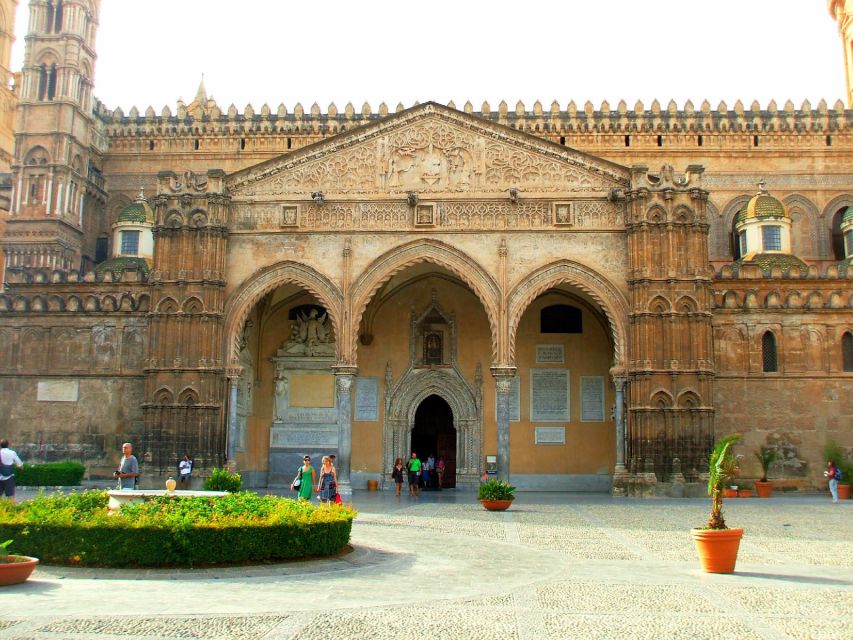
From Capo Market, the walk continues to Palermo Cathedral. This is one of the tour’s major landmarks and one of the clearest reasons to choose this route. The cathedral gives you a chance to see Palermo’s architectural mixture in a single important building, while the guide provides context for the city’s religious and political past.
The cathedral also contains the remains of Frederick II of Swabia and members of his family. Their tombs add a strong historical focus to the visit. Rather than treating the cathedral as a quick photo stop, the tour connects the building with the people who shaped Palermo and Sicily.
The ticket for the royal tombs is not included. This is the most important extra cost to understand before you reserve. You can still follow the exterior and general cathedral portion of the walk, but access to the tomb area requires a separate ticket. If those tombs are a priority, budget for admission and confirm the current arrangements when booking.
Vucciria and the return to Piazza San Domenico
After the cathedral, the route heads toward the historic open market of Vucciria. This gives the tour a second market setting after Capo, allowing you to compare two parts of Palermo’s street life rather than seeing only one.
Vucciria is also a useful closing stop because it brings you back into the city’s public spaces after the cathedral’s more formal setting. The route ends at Piazza San Domenico, so you finish in a central square rather than at an isolated roadside location.
The stated meeting point and end point are different: you start at Piazza Politeama and finish at Piazza San Domenico. That is helpful if you plan to continue exploring from the end, but it also means you should not assume you will be returned to the starting square. The activity details describe the tour as ending back at the meeting point, while the route itself lists Piazza San Domenico as the final point. Confirm the exact end arrangement with the provider if this affects your plans.
What the private format means
This is a private group tour for up to 25 people. That gives you the benefit of having a guide assigned to your party rather than joining a mixed public group, and it may allow more direct questions about Palermo’s buildings and streets.
At the same time, 25 is a fairly large maximum for a walking tour through narrow lanes. A private group of two to six people should feel more intimate than a full group of 25. If your party is large, stay close to the guide in the market areas and ask how the group will be managed.
The guide is available in English, Italian, French, German, and Spanish. Roberta and Marilou are named guides connected with this experience. Roberta is described as bringing strong knowledge of local and world history, while Marilou is associated with presenting Palermo in a personal, authentic way. Guide quality can shape a short tour more than the number of stops, and these details suggest that storytelling is a central part of the experience.
Is $344.39 a good value?
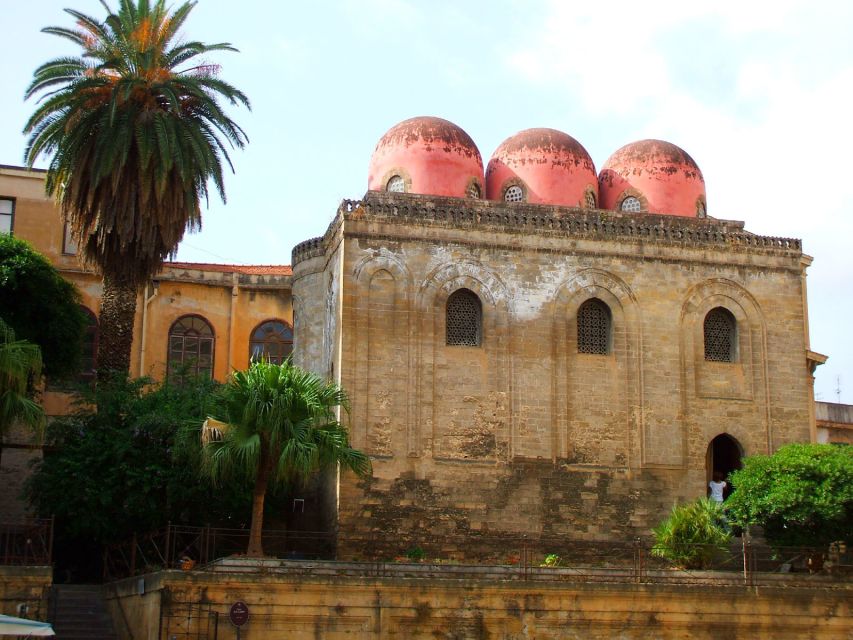
The listed price is $344.39 per group of up to 25 people. That is expensive for one person traveling alone, but the calculation changes if you are sharing it with family or friends. A full group could bring the per-person cost down sharply, while a couple or small party would be paying more for privacy and a dedicated guide.
The tour lasts two hours. You are paying for a focused introduction, not a full-day Palermo program. The price includes the licensed guide, but not cathedral royal tomb tickets, food, drinks, or transportation. There is no airport transfer or hotel pickup hidden inside the cost.
I see the best value here for a group that wants a private orientation on its first day in Palermo. You can use the walk to decide which places deserve a longer return visit. For a solo visitor or couple on a tight budget, a longer public walking tour may offer better value if privacy is not important.
The flexible booking terms help if your plans are still moving. You can reserve now and pay later, and cancellation is allowed up to 24 hours before the activity for a full refund. These terms do not change the tour’s sightseeing content, but they reduce the risk of committing while arranging a Sicily trip.
How to prepare for the two hours
Wear comfortable walking shoes. This route includes broad streets, narrow lanes, market areas, squares, and historic city surfaces. The tour is only two hours, but Palermo’s central streets can feel demanding when you are stopping often and moving through crowded areas.
Bring water and plan your meal separately. Food tastings and meals are not included, even though Capo and Vucciria are central to the route. You can treat the markets as places to look around, then choose your own meal before or after the walk.
Arrive at Piazza Ruggiero Settimo in front of the Politeama Theater, next to the statue. Since transportation and pickup are not included, allow enough time to find the exact meeting point. If you want to enter the royal tombs, set aside money for the separate ticket and ask about access before the tour begins.
Who will enjoy this Palermo walk?
I would recommend it to first-time visitors who want a fast, organized introduction to the historic center. The route covers major sights, market districts, and the streets between them, giving you a useful map of central Palermo in a short period.
It also suits families or friend groups who want a private guide and can split the group price. The language choice is broad, and the route includes enough variety to keep the walk from becoming a string of similar church facades.
History-minded visitors should appreciate the focus on Frederick II, Palermo Cathedral, Arabic-origin streets, and the city’s changing architecture. People mainly looking for food should choose something else, since there are no included tastings or meals.
I would be more cautious if you have limited walking ability, need transportation, or want extended time inside Teatro Massimo and the cathedral. Those elements are not included as separate, fully described visits. This tour is best understood as a guided walking overview with selected landmark stops.
Should you book it?
Book this tour if you want a private, well-shaped introduction to Palermo that joins Teatro Massimo, Capo Market, the cathedral, Vucciria, and the city’s older lanes in one route. The strongest reason to choose it is the combination of big sights and local street context, especially with guides such as Roberta or Marilou.
Skip it if you want a food tour, a theater performance, included entrance tickets, or a longer visit inside each monument. For a group sharing the $344.39 price, the private format can make good sense. For one or two people, compare the cost with other walking options before deciding.
FAQ
Where does the Palermo walking tour start?
It starts at Piazza Ruggiero Settimo, also called Piazza Politeama, in front of the Politeama Theater next to the statue.
Where does the tour end?
The route ends at Piazza San Domenico according to the stated itinerary. The activity information also describes the experience as ending back at the meeting point, so confirm the exact end point with the provider if you need to return to Politeama Square.
How long does the tour last?
The walking tour lasts two hours. Starting times depend on availability.
Is this a private tour?
Yes. It is offered as a private group experience for groups of up to 25 people.
Which languages are available?
The guide can conduct the tour in English, Italian, French, German, or Spanish.
Are cathedral royal tomb tickets included?
No. Tickets for the royal tombs are not included in the tour price.
Are food and transportation included?
No. Tastings, lunch, dinner, pickup, drop-off, and transportation are not included.
Newly added in Italy
- Vicenza: Palladian Architecture Private Walking Tour★ 3.3 · 3 reviews
- Private Personalized Architecture Tour of Rome with an Architect★ 5.0 · 5 reviews
- Architectural Milan: Private Tour with a Local Expert★ 4.5 · 2 reviews
- The Architect’s Water★ 4.5 · 11 reviews
- Architectural Florence: Private Tour with a Local Expert★ 5.0 · 3 reviews
- Rione Sanità: tour among street art, architecture, folklore★ 4.5 · 2 reviews
- Discover Coppedè in Rome: Liberty architecture, symbols, and jewels★ 5.0 · 2 reviews
- Bologna: Guided Architecture Walking Tour★ 4.5 · 2 reviews
Italy Architecture Tours, compared.
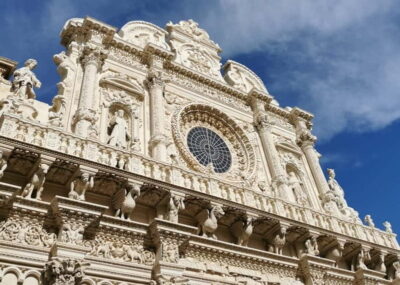
Baroque Architecture and Underground Walking Tour
Read our review →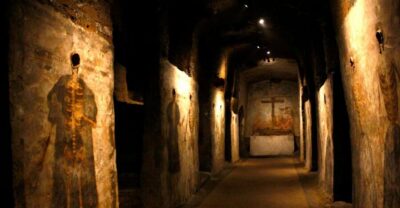
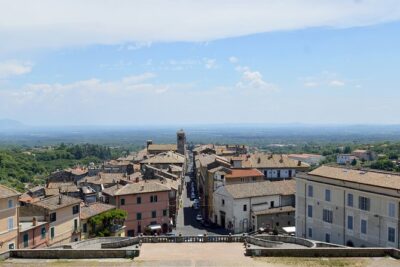
Caprarola: Villa Farnese, masterpiece of Renaissance architecture
Read our review →
Best of Bologna in one day : Food, architecture, art and history
Read our review →
City Walk with Architect: Private walking tour of Rome
Read our review →
Private Tour: Venice Art and Architecture Walking Tour
Read our review →
Basilica San Marco and the Pala d’Oro with Architect Guide
Read our review →Browse the lists this tour appears in