
Review · WALKING TOURS
Experience Florence’s Art and Architecture on a Walking Tour
Florence is compact, but its story is not. This 2-hour-15-minute walking tour gives you a fast, sensible route through the city center, linking Santa Maria Novella, the Duomo, Orsanmichele, Piazza della Signoria, and Santa Croce. It is a useful first look before you decide where to spend more time.
I like the low price and the way the route mixes famous sights with smaller details, including Florence’s wine windows. I also like that guides such as Ludi, Natalia, and Ludovica are praised for clear explanations, local food tips, practical advice, and stories about the Medici family.
The main concern is sound. A few groups have had trouble hearing the guide, especially when the group became much larger than planned. The stated maximum is 20 people, but one August outing reportedly grew beyond 40, so group size and street noise can affect the experience.
Key Points to Know Before You Book
- A strong first-morning orientation: The route covers much of central Florence without asking you to navigate from a map.
- Seven useful stops: You see Santa Maria Novella, Via de’ Tornabuoni, Piazza della Repubblica, the Duomo, Orsanmichele, Piazza della Signoria, and Santa Croce.
- Look beyond the big monuments: The walk includes wine windows, Medici connections, sculptures, shopping streets, and less touristy lanes.
- English-speaking guides: Ludi, Natalia, Ludovica, and other guides lead the walk, with an emphasis on art, architecture, and city stories.
- Good value, with a tip expected: The advertised price is only $3.63, but this is a tip-based free tour, so you should budget to reward the guide.
- The group size matters: The planned maximum is 20 people, yet unusually large groups have caused hearing problems.
Why This Short Florence Walk Works
Florence rewards a slow look, but a first visit can feel like a parade of grand facades and famous names. This tour helps connect the pieces. You begin near the railway station at Santa Maria Novella and finish near Santa Croce, crossing the historic center on foot.
That route is useful because it moves in one direction instead of sending you back and forth. You get a basic map in your head: the western church area, the shopping streets, the Roman center, the Duomo, the civic heart around Palazzo Vecchio, and the eastern church quarter.
I would use this as an orientation walk, not as a replacement for Florence’s museums or church interiors. The schedule allows about 5 to 15 minutes at each stop. That is enough for context, photographs, and questions, but not enough for a full visit inside the Duomo complex, Santa Croce, or the Uffizi.
The tour starts at 10:30 am, a practical time for a morning introduction. You should expect steady walking and regular stops in public squares and streets. Wear comfortable shoes, and stay close to the guide when the group moves through busy parts of the center.
More Walking Tours in Italy
- Lecce: Baroque Architecture and Underground Walking Tour
★ 4.6 · 1,248 reviews - Palermo: Art and Architecture Walking Tour
★ 4.7 · 136 reviews - City Walk with Architect: Private walking tour of Rome
★ 5.0 · 22 reviews
Santa Maria Novella Begins the Story
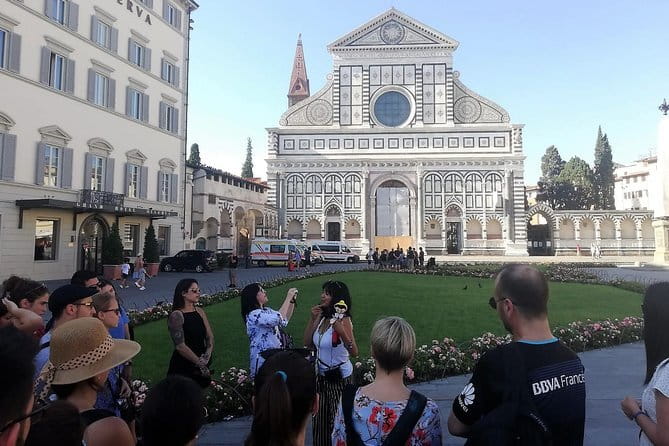
The meeting point is at Piazza di Santa Maria Novella, 4n, in front of the Basilica of Santa Maria Novella. The church is an excellent starting point because it sits near the main station and introduces the city’s close connection between religion, art, and civic life.
The guide spends about 10 minutes explaining the church’s story. This is a short visit in the schedule, so you should expect an exterior introduction rather than a detailed church tour. If you want to see the interior properly, plan a separate visit.
Starting here also makes practical sense. Santa Maria Novella is near public transportation, and the meeting point is easy to connect with if you arrive by train or from another part of Florence. Confirmation is provided at booking, and the activity uses a mobile ticket.
Via de’ Tornabuoni and Florence’s Elegant Side
From Santa Maria Novella, the walk continues toward Via de’ Tornabuoni. This is one of Florence’s best-known shopping streets, but the guide uses it for more than window-shopping.
The route includes Piazza Antinori, Palazzo Strozzi, and Piazza Santa Trinita. In roughly 10 minutes, you get a quick look at how old palaces, commercial life, and public squares fit together.
Palazzo Strozzi is especially useful as a visual marker. It helps you see the scale and confidence of Florentine Renaissance architecture without requiring an art lecture. The walk also gives you a chance to compare Florence’s polished shopping streets with the more open public spaces that come later.
Piazza della Repubblica and Roman Florence
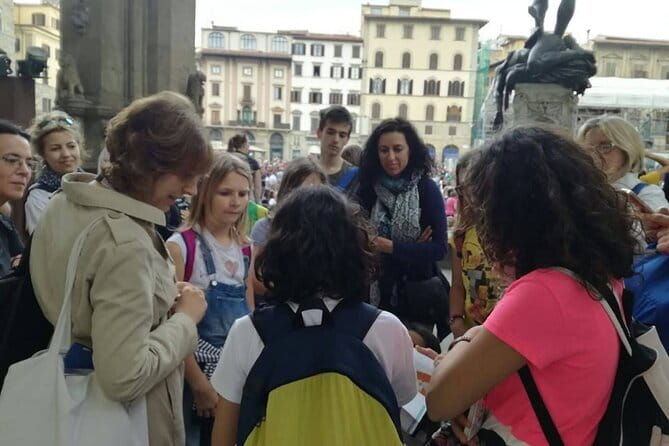
Piazza della Repubblica receives only about five minutes, but it provides an important change of mood. The square points back to Florence’s Roman beginnings and offers a broad urban setting after the narrower streets near Via de’ Tornabuoni.
This is one of the briefest stops, so do not expect a long archaeological explanation. Its value is in orientation. You see how the modern square relates to the older street plan, and you begin to understand that Florence is not only a Renaissance city. Its story reaches back much further.
Same city, a different facade:
- Naples: San Gaudioso Catacombs Guided Tour
★ 4.7 · 1,105 reviews - Caprarola: Villa Farnese, masterpiece of Renaissance architecture
★ 4.5 · 28 reviews - Best of Bologna in one day : Food, architecture, art and history
★ 5.0 · 27 reviews - Private Tour: Venice Art and Architecture Walking Tour
★ 4.0 · 22 reviews
The Duomo Complex in Ten Focused Minutes
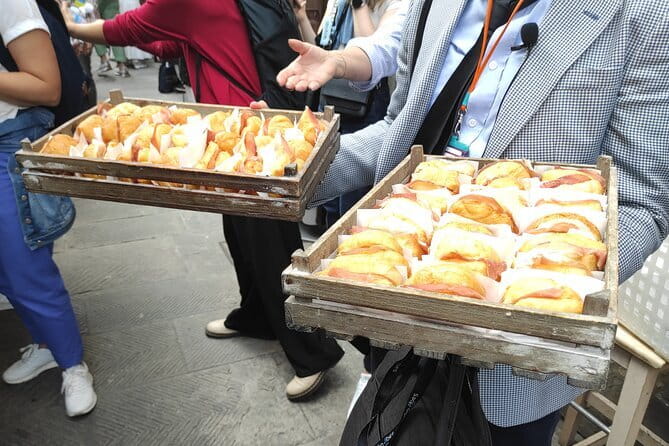
The Cathedral of Santa Maria del Fiore is the visual centerpiece of the walk. The scheduled stop includes the cathedral, the Baptistery, Giotto’s Campanile, and Brunelleschi’s dome.
Ten minutes goes quickly here. The guide can point out the main buildings, explain their place in Florence’s art and architecture, and give you a framework for a later visit. You will not have time to climb the dome or explore every interior detail during this stop.
Admission to the cathedral complex is not included. That matters when you compare this walk with a longer paid sightseeing tour. This experience shows you what to look for, but it does not give you a ticket for a full monument visit.
I like this approach for a first morning. The Duomo area can feel overwhelming, especially when you are trying to work out which building is which. A guide helps you separate the cathedral, Baptistery, bell tower, and dome before you return on your own.
Orsanmichele and Florence’s Working City
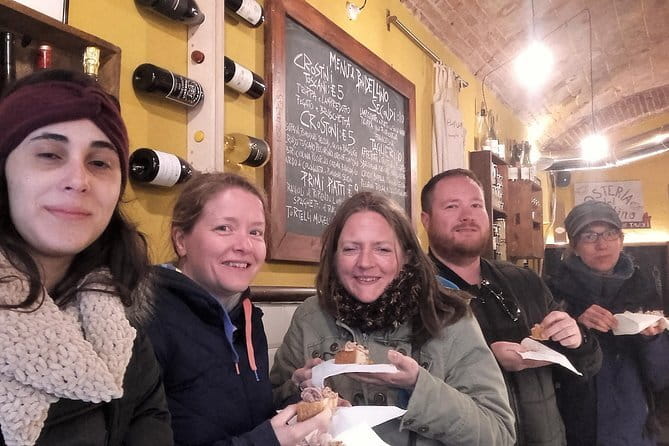
The Church and Museum of Orsanmichele is a quieter stop, with about 10 minutes devoted to its sculptures and story. The route calls attention to works connected with artists including Donatello, Ghiberti, Giambologna, Brunelleschi, Verrocchio, Sangallo, and Orcagna.
You get a useful reminder here that Florence’s art was not confined to grand churches and palace interiors. Orsanmichele connects religious purpose, guild power, and public sculpture. Even a short explanation can help you notice why the statues on the exterior matter.
The stop is also a good break from the most crowded sights. If the guide has time to point out details at street level, look closely rather than treating this as a quick photo stop. The listed schedule is tight, but this is exactly the kind of place where a trained guide can make a short pause worthwhile.
Piazza della Signoria, the City’s Open-Air Stage
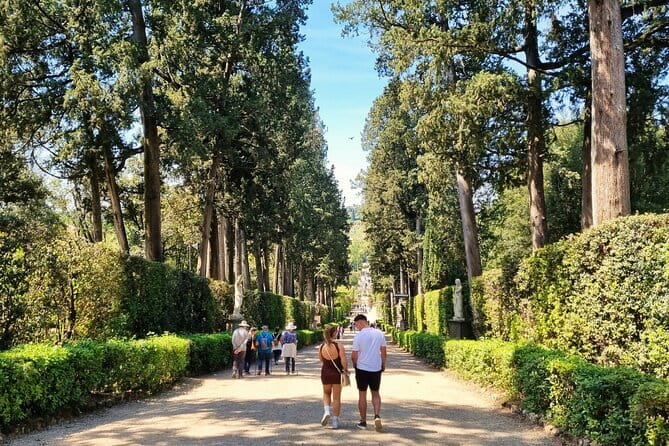
The longest stop is Piazza della Signoria, with about 15 minutes. This is the civic heart of the route and one of the most rewarding places for the guide’s storytelling.
The square brings together Palazzo Vecchio, the Uffizi, the Loggia dei Lanzi, and the Torre di Arnolfo. The sculptures and political symbols named for the stop include David, Marzocco, Cosimo de’ Medici, Perseus by Cellini, and other important works.
You also get views toward the Ponte Vecchio. The tour does not turn this into a full Uffizi visit, but it gives you the setting you need to understand how art and power worked together in Florence.
This is where guides such as Natalia are particularly useful. She is praised for clear explanations of Florence, its art, and the Medici family. Ludi is also praised for bringing strong local knowledge and practical suggestions into the walk. Those details can turn a famous square from a backdrop into a place with a reason behind every statue.
Because Piazza della Signoria is open and often noisy, this is another point where staying close to the guide matters. If you have trouble hearing, move nearer and mention it promptly. A small portable speaker may help, but it cannot fully solve the problem of a large group in a busy square.
Santa Croce Provides a Fitting Finish
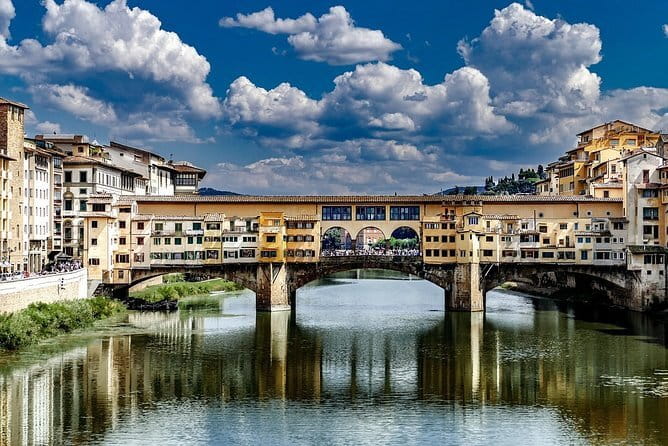
The walk ends at Piazza di Santa Croce, in front of the Basilica of Santa Croce. The final stop covers the basilica’s story and its monument to Dante, with about 10 minutes allocated.
Santa Croce gives the tour a strong ending. After the political center at Piazza della Signoria, you reach a church known for its connection with major figures in Italian culture. The guide can give you enough background to decide if you want to return for a proper interior visit.
The end point is Piazza di Santa Croce, 18R. This is convenient if you plan to continue exploring the eastern side of central Florence. It also means you are not returned to Santa Maria Novella, so keep the one-way route in mind when planning the rest of your day.
The Guides Add More Than Dates and Names
The most praised part of this experience is the guide quality. Ludi is described as especially strong at combining city history with useful advice, including places to eat, toilets, good views, and less obvious corners. Natalia is praised for her friendly manner, patience, and explanations of art and the Medici family.
Ludovica is also described as open, enjoyable, and good at taking the group through streets that are not always part of the standard sightseeing circuit. Another guide, identified uncertainly as Ryan, is praised for walking at a manageable pace and keeping a group together during a busy city event.
You should not assume you will receive a particular guide. Names can change by date, but the experience clearly depends a great deal on who leads your group. The best guides do more than recite facts. They show you how to look at Florence, then add practical advice you can use after the tour.
Small extras can make a difference. The wine windows are a good example. They are easy to miss if you are only following a map of major monuments, yet they give the walk a local detail that helps break up the usual Duomo and Uffizi circuit.
Price, Tips, and What You Really Receive
At $3.63 per person, this is an unusually inexpensive way to get an introduction to Florence. The price covers the guided walk, but it does not cover admission to the cathedral complex or other paid attractions.
The important point is the tip-based format. A free tour does not mean the guide works without payment. You pay the small booking amount, then decide what the walk was worth and tip accordingly. If you want a private-level experience or a full museum visit, this is not the right comparison. If you want a low-cost orientation with a guide, the value is strong.
I would treat the fee as an entry point rather than the total cost. Bring enough to tip the guide if the walk helps you understand the city. That is also the fair way to compare this with a standard paid tour, which would normally cost much more.
Group Size and Hearing Are the Real Caveats
The planned maximum is 20 people, which is a reasonable size for walking through Florence. A group of that size can still gather around a statue or move through a square without too much trouble.
However, one reported outing grew beyond 40 people during a busy August period. The provider acknowledged that this was not normal and said groups usually stay around 20 to 25. That matters because the most serious complaint was not about the route or content. It was simply the inability to hear.
If you have hearing concerns, position yourself close to the guide and say so early. The tour is not a good choice if you need guaranteed headsets or a very small group. It can work well when the stated group limit is respected, but the experience is less dependable if the group grows too large.
Who Should Book This Florence Walk?
This tour suits you if you are visiting Florence for the first time, want a quick introduction, or prefer to spend your money on museums and meals rather than a costly orientation tour. It is also useful near the start of a stay because you can mark places to revisit later.
It works well for adults and most people who can walk through the city center for just over two hours. Service animals are allowed, and the tour is near public transportation. Most people can participate, but the supplied information does not give a detailed accessibility assessment, so you should ask the provider about specific mobility needs.
You may want something else if your main goal is interior access. The schedule is built around exterior views and short explanations. The cathedral admission is not included, and the walk does not replace a visit to the Uffizi, Santa Croce, or the Duomo monuments.
Should You Book It?
Book it if you want a low-cost, English-language introduction to Florence’s major sights, with a chance to hear local tips and notice details you might otherwise miss. The route is efficient, the end point is practical, and the guides are often praised for making art and Medici-era history easy to follow.
Skip it if you need a guaranteed small group, headsets, or lengthy time inside each monument. Before booking, check the date and be ready to tip. If the group stays near the stated maximum of 20, this is a smart way to get your bearings without spending much.
FAQ
Where does the Florence walking tour start?
It starts at Piazza di Santa Maria Novella, 4n, in Florence, in front of the Basilica of Santa Maria Novella.
What time does the tour begin?
The tour starts at 10:30 am.
How long does the walking tour last?
It lasts approximately 2 hours and 15 minutes.
Where does the tour end?
It ends at Piazza di Santa Croce, 18R, in front of the Basilica of Santa Croce.
What language is the tour offered in?
The tour is offered in English.
Is admission to the Cathedral of Santa Maria del Fiore included?
No. Admission to the cathedral complex is not included.
How many people can join the tour?
The stated maximum is 20 people. The provider notes that groups normally stay around 20 to 25, although an unusually large August group was reported.
Can I cancel for a full refund?
Yes. You can cancel at least 24 hours before the local start time for a full refund. Changes or cancellations made less than 24 hours before the start are not accepted for a refund. The tour may also be canceled for poor weather or if the minimum number of participants is not reached, with a different date or a full refund offered.
Newly added in Italy
- Venice Art and Architecture Private Walking Tour★ 4.5 · 11 reviews
- Basilica San Marco and the Pala d’Oro with Architect Guide★ 4.5 · 19 reviews
- Walking tour in Venice with an architect★ 5.0 · 16 reviews
- LECCE: AMONG ARCHITECTURAL TREASURES IN THE LECCE BAROQUE★ 4.7 · 3 reviews
- Martina Franca: Baroque and Rococo Architecture Walking Tour★ 5.0 · 4 reviews
- Noto: Sicilian Baroque Architecture Guided Walking Tour★ 4.3 · 6 reviews
- City Walk with Architect: Private walking tour of Rome★ 5.0 · 22 reviews
- Private Tour: Venice Art and Architecture Walking Tour★ 4.0 · 22 reviews
Walking Tours, compared.
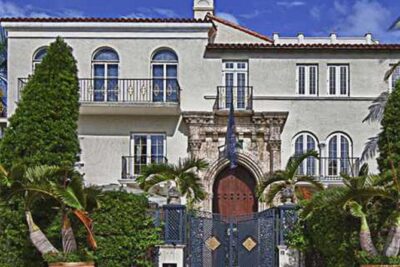
The Official Art Deco Walking Tour by The Miami Design Preservation League
Read our review →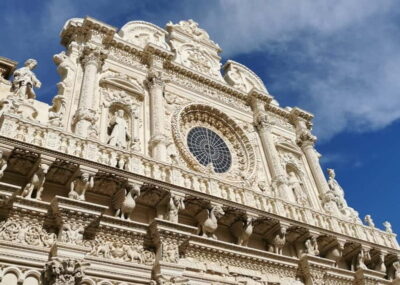
Baroque Architecture and Underground Walking Tour
Read our review →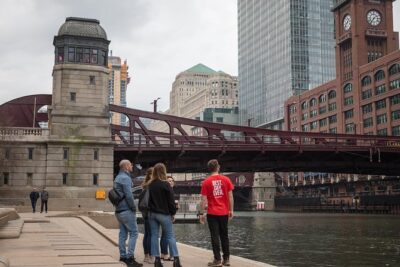
Chicago in a Day: Food, History & Architecture Walking Tour
Read our review →
Ramblas, Old Town, Gothic and Gaudi Architecture Walking Tour
Read our review →
Chicago’s Secret Interiors Architectural Walking Tour
Read our review →
Browse the lists this tour appears in