
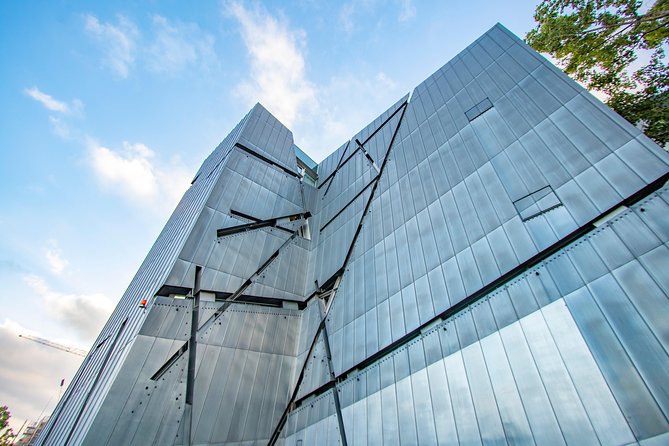
Review · BERLIN ARCHITECTURE TOURS
Architectural Berlin: Private Tour with a Local Expert
Berlin’s architecture is a record of its upheavals. On this private walk, you move from grand neoclassical buildings and a domed cathedral to the glass Reichstag and the tent-like Berlin Philharmonie. I like the private format, which lets you ask questions and set the pace, and I like the cross-section of old and new rather than a tour limited to one period. The main concern is guide consistency: Georg and Rüdiger earned warm praise, but one booking was paired with a guide who lacked architectural preparation.
At $639.96 for up to two people, this is a costly two-hour outing. It makes the most sense if you want a personal introduction, have a strong interest in design, or are marking a special occasion. If you simply want Berlin’s major sights, you can cover much of this area more cheaply on your own.
Key points to know before booking
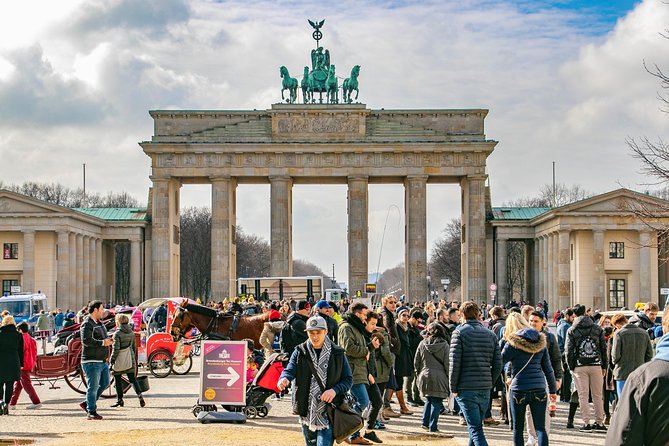
- The route links Museum Island and the Philharmonie, giving you a clear story of Berlin’s changing city center.
- The tour is private for your group of up to two, so your questions and walking pace guide the experience.
- The Reichstag’s glass dome is a major highlight, showing how modern design was added to a historic political building.
- The Berlin TV Tower may be discussed, especially as a symbol of Berlin’s postwar skyline and divided past.
- Entry fees and public transport are extra, so the quoted price covers the guide and private format, not admissions.
- The guide matters greatly, with Georg and Rüdiger receiving especially warm personal praise.
From Museum Island’s stone facades to Berlin’s new ideas
The most appealing part of this tour is its broad theme. You are not just looking at attractive buildings. You are following Berlin’s changing ideas about power, art, religion, government, business, and music.
The walk begins at Bodestraße 1, on Museum Island. It ends at Herbert-von-Karajan-Straße 1, beside the Berlin Philharmonie. That start and finish create a useful east-to-west line through central Berlin, even though the exact route can change according to your interests, walking speed, and weather.
In two hours, you should expect a brisk overview rather than a full architectural study. The route includes several major buildings, but the guide will have to keep explanations focused. If you want long interior visits, this is not the right format. If you want to see how Berlin’s center fits together, the compact length works well.
More Private Tours in Germany:
- Private Taxi Tour City East & West History and Architecture 3-4h
★ 5.0 · 42 reviews - Private walking Tour: Berlin Architecture Tour
★ 5.0 · 14 reviews - Lübeck: Architecture and Local Craft Private Guided Tour
★ 4.0 · 6 reviews
Museum Island’s neoclassical gallery
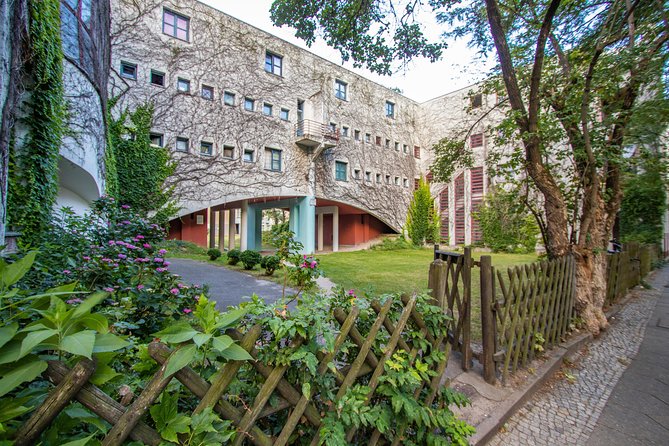
Your first stop is a gallery on Museum Island, notable for its neoclassical design and collection of 19th-century art. The building gives your guide an early chance to explain Berlin’s taste for order, symmetry, and monumental public institutions.
This is a strong opening because architecture and art meet in one place. You can look at the facade, then connect its formal design with the art it was built to display. Ask your guide how the building fits into Museum Island’s larger group of museums, and how its design differs from the later structures you will see farther west.
The exact interior access is not included. Museum admission is separate, and the tour may focus on the outside if time or opening conditions do not work in your favor. That is worth checking before you arrive. The tour description says stops can vary, and one poor experience came from a guide who had not checked site conditions. A quick message before the tour can help you understand what will be open.
Berlin Cathedral and the Lustgarten setting
Near the first museum stands Berlin Cathedral, a large church beside the Lustgarten. Its Renaissance and Baroque influences, broad dome, and imposing scale make it one of the easiest buildings in Berlin to recognize.
I find this stop useful because it adds a religious dimension to a route otherwise filled with museums, parliament, business offices, and concert halls. The church also helps explain the visual weight of the area. Around the Lustgarten, buildings were designed to communicate authority and importance, not to blend quietly into the street.
The outside view alone gives you plenty to discuss, but entry is not part of the tour price. If seeing the interior matters to you, ask about tickets and available time before booking. A two-hour walk with several stops cannot promise a relaxed visit inside every building.
The church also gives you a good test of your guide’s style. A strong guide will explain more than dates and labels. You will want connections between the building, its setting, and Berlin’s shifting use of public space.
The TV Tower and Berlin’s divided skyline
The Berliner Fernsehturm, or TV Tower, is highlighted as one of the buildings that shaped Berlin’s skyline. It may not be one of the six physical stops, but it is an important part of the tour’s larger story.
The tower is especially useful in a discussion of postwar Berlin. Its height gives the city a visual marker, and its presence helps your guide explain how East Berlin used modern construction to project confidence and technical skill. From the ground, it also helps you read the horizon and understand how older domes and newer high-rise forms share the same city view.
Do not book this tour expecting a tower visit. No entrance is included, and the stated route ends at the Philharmonie. Think of the tower as a skyline reference and a topic for conversation, not a guaranteed interior stop.
If you care about views, ask your guide where the tower will fit into the walk. The route is tailored, so the amount of attention given to it can depend on your interests.
A few more architecture walks in Germany worth a look
- Munich 3-Hour Segway Tour: Nazi Munich & Royal Architecture
★ 4.9 · 194 reviews - Düsseldorf: Guided City Architecture Walking Tour
★ 4.6 · 61 reviews - Hidden Architectural Gems of Munich (Max. 16 guests)
★ 4.9 · 52 reviews - Potsdam: Guided Walking Tour of UNESCO Site and Architecture
★ 4.7 · 49 reviews
The Reichstag’s old shell and glass crown
The Reichstag is one of the clearest examples of Berlin’s habit of placing new design inside an old political frame. The historic parliament building carries the weight of the German state, while Norman Foster’s glass dome adds a modern symbol of openness and public oversight.
This is likely to be one of the strongest stops for first-time visitors. The building is easy to understand at a glance, but the contrast rewards a closer look. You can discuss how the preserved structure and modern dome work together, and why the dome is linked with political transparency.
The tour does not include admission to the dome. That distinction matters. A walk past the building can be worthwhile, but it is different from visiting the interior and seeing the city from above. If the dome is a priority, ask about access separately and allow time beyond the two-hour tour.
The Reichstag also shows why a local guide can add value. A guide can place the building within the wider sequence of Berlin’s destruction, rebuilding, and political change. Still, the quality of that explanation depends heavily on the person assigned to you. This is where the difference between a prepared architecture guide and a pleasant but unprepared local becomes important.
A modern office building with an environmental message
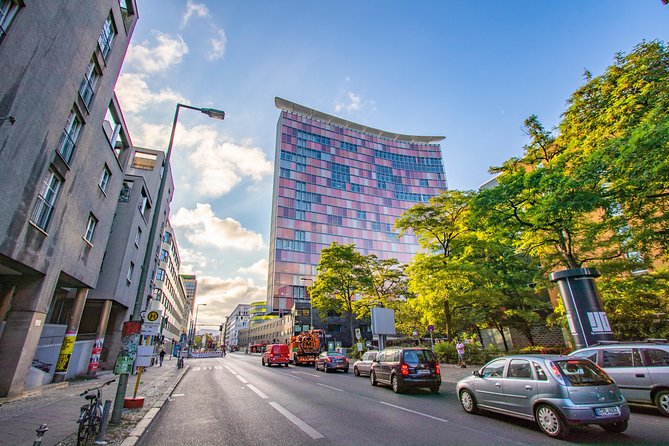
Another stop is a contemporary office building known for eco-friendly design and its role in Berlin’s current urban growth. The description does not provide the building’s name, so you should not assume a specific structure when booking.
This stop broadens the tour beyond famous monuments. Berlin’s architecture is not only about royal-era facades and government buildings. Modern workplaces also show how the city is responding to energy use, new construction, and changing business needs.
The drawback is that a modern office building may have less visual impact than the Reichstag or Philharmonie. You may find the stop most rewarding if you are interested in materials, energy systems, and urban planning. Ask your guide to explain what makes the building environmentally notable rather than settling for a general comment about modern design.
Because this stop blends new construction with its older surroundings, it also helps you compare Berlin’s design choices. The city often places sharp modern forms beside historic masonry. That contrast can be more revealing than either style viewed alone.
The building that connects old Berlin with new Berlin
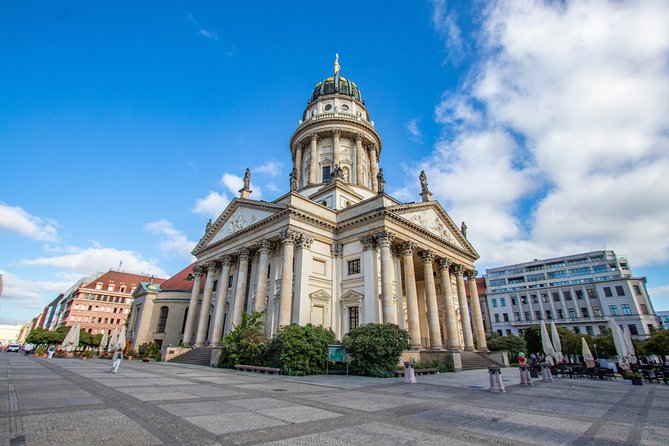
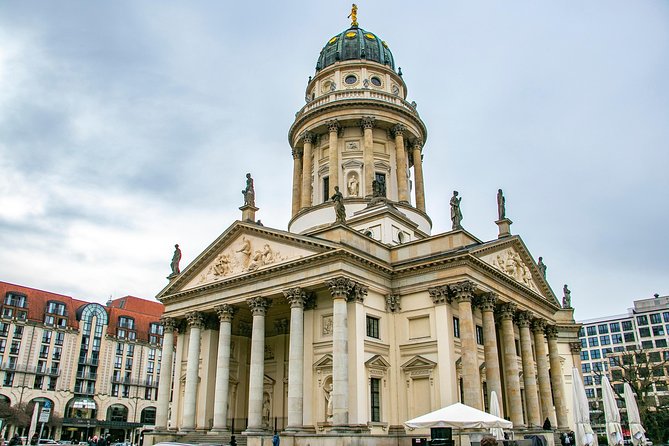
A further stop focuses on a building that blends modern design with its historic surroundings. The supplied details do not name it, and the itinerary can adapt, so the exact structure may change.
That flexibility is both a benefit and a limitation. You can steer the conversation toward the type of architecture you care about, such as restored historic buildings, contemporary offices, public design, or the way new facades meet older streets. But you should not expect a fixed checklist of buildings in a guaranteed order.
I would use this part of the walk to ask practical questions. Why was this design chosen? What did it replace? Does it respect the older setting or deliberately contrast with it? Those questions will tell you far more than a list of construction dates.
This is also where a private format can earn its higher price. In a large group, the guide has to keep moving. With only your party, you can pause at a building that catches your eye or move on from a structure that does not interest you.
The Berlin Philharmonie’s tent-like form
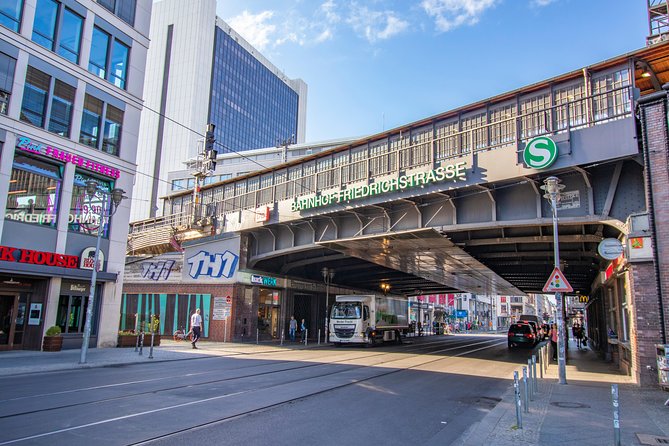
The route finishes at the Berlin Philharmonie on Herbert-von-Karajan-Straße. This modern concert hall is known for its unusual tent-like shape, strong acoustics, and home orchestra, the Berlin Philharmonic.
It is a fitting ending. The tour begins with formal museum architecture and ends with a building that rejects the usual concert hall shape. Instead of placing the audience in a simple row facing a stage, the Philharmonie is known for its distinctive arrangement and acoustic design. Even from outside, its form makes a clear statement about modern cultural architecture.
The Philharmonie gives the tour a strong final image, but the experience does not include a concert. You should also confirm whether you will see only the exterior. The supplied information lists no concert ticket or admission, so plan on a guided architectural look rather than an evening of music.
Ending here is practical if you are continuing toward the Kulturforum area. Your guide can also suggest what to see next, which is one of the more useful benefits of a private local experience. Ask for recommendations that match your remaining time and interests.
What the private format is really worth
The tour costs $639.96 for a group of up to two. That is $319.98 per person if two people share the booking, before any entry tickets, transport, food, or personal expenses.
That price is high for a two-hour walk. You are paying for privacy, a local guide, an adaptable route, and direct attention. You are not paying for museum admission, transport, or guaranteed access to every interior. For a couple with a focused interest in architecture, the format may be worthwhile. For a solo visitor, the cost is harder to justify.
I would compare it with what you want from Berlin. If you want a flexible conversation about design and city change, this can provide something a standard group tour cannot. If you want a detailed professional architecture lecture, the guide assignment is a risk. The experience is hosted by an independent local, and the available feedback shows a clear range in preparation.
One guest found Georg interesting, personable, likable, and excellent overall. Rüdiger was praised for arranging a varied route after discussing preferences and for taking the group through both creative areas and quieter, colder buildings. Those details suggest that the best guides treat the walk as a conversation, not a memorized march between monuments.
At the same time, one booking received a low rating because the guide had little architecture knowledge and had not checked whether sites were open. That is not a minor issue on a tour built around buildings. Contact the operator before the day and state that you want an architecture-focused guide, not simply a friendly city companion.
Pace, access, and useful planning details
Most people can take part, and the tour is near public transportation. Service animals are allowed. Mobility needs should be discussed in advance, since the walk covers a central route and the exact stops can change.
The itinerary adjusts to your walking speed, which is helpful if you want time for photographs or need a gentler pace. Weather can also alter the stops. Bring that flexibility into your expectations, especially if a particular exterior is your main reason for booking.
The tour uses a mobile ticket and confirms the booking at the time of purchase. You can cancel for a full refund up to 24 hours before the start time. Changes or cancellations inside that window are not accepted for a refund.
You should also remember what is not included. Personal expenses, public transport, museum tickets, and monument admissions are extra. Since the start and finish are in different parts of central Berlin, ask whether you will need transport during the walk and budget accordingly.
Who will get the most from this Berlin walk?
I would recommend this experience to a couple who wants a private introduction to Berlin’s built environment and does not mind paying for personal attention. It also suits an architecture student, design-minded visitor, or repeat visitor who wants a more focused route.
It is less suitable if you need guaranteed expert credentials, interior access, or a low-cost way to see central Berlin. You may also find two hours too short if you want detailed explanations at every stop.
Your best strategy is to send the guide a short list of interests before the tour. Mention if you care most about neoclassical buildings, postwar design, sustainable offices, political architecture, music halls, or skyline views. Ask who will lead the tour and request confirmation that the person is prepared to discuss architecture.
Should you book Architectural Berlin?
Book it if the private setting matters to you and you want to connect Berlin’s historic buildings with its newer design. The Museum Island gallery, Berlin Cathedral, Reichstag, modern offices, and Philharmonie give you a useful range in a short time.
Skip it if $639.96 feels steep for two hours or if you mainly want entry to the Reichstag dome, museums, or concert venues. Those costs are separate, and the guide’s architectural ability can vary.
My advice is to book only after confirming the guide and explaining your priorities. With someone like Georg or Rüdiger, the walk can feel personal, varied, and genuinely useful. With an unprepared guide, the price becomes difficult to defend.
FAQ
How long is the Architectural Berlin tour?
The tour lasts approximately two hours.
How many people can join the private tour?
The price covers a private group of up to two people. Only your group participates.
What is the starting point?
The tour starts at Bodestraße 1, 10178 Berlin, Germany.
Where does the tour finish?
The walk ends at Herbert-von-Karajan-Straße 1, 10785 Berlin, Germany, near the Berlin Philharmonie.
Is the Berliner Fernsehturm included as a physical stop?
The TV Tower is highlighted as part of Berlin’s changing skyline, but the listed route does not identify it as a guaranteed physical stop. Ask your guide how it fits into your personalized route.
Are museum and monument admission tickets included?
No. Entry tickets for museums and monuments are not included.
Is public transportation included?
No. Transportation tickets are excluded from the tour price.
Can the itinerary change?
Yes. The route adapts to your interests and walking pace, and stops may vary with weather conditions.
What is the cancellation policy?
You can receive a full refund if you cancel at least 24 hours before the experience start time. Cancellations or changes made less than 24 hours before the start are not accepted for a refund.
Newly added in Germany
- Hidden Architectural Gems of Munich (Max. 16 guests)★ 5.0 · 2 reviews
- Munich Your Way: Private Tour with Architect & Guide★ 5.0 · 2 reviews
- Architectural Frankfurt: Private Tour with a Local Expert★ 5.0 · 2 reviews
- Berlin Architecture/River Spree Full Day Photography Tour★ 5.0 · 2 reviews
- Private Taxi Tour of City East History and Architecture 2-3h★ 5.0 · 2 reviews
- Lübeck: Architecture and Local Craft Private Guided Tour★ 4.0 · 6 reviews
- Lübeck: Private Historical and Architectural Walking Tour★ 4.5 · 6 reviews
- Dessau: Radtour Bauhaus – Junkers – Gartenreich★ 5.0 · 2 reviews
Berlin Architecture Tours, compared.
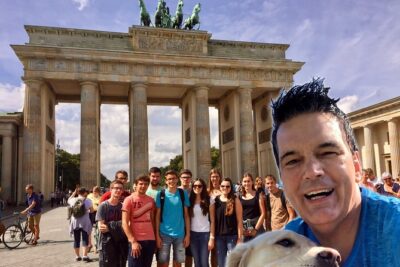
Private Taxi Tour City East & West History and Architecture 3-4h
Read our review →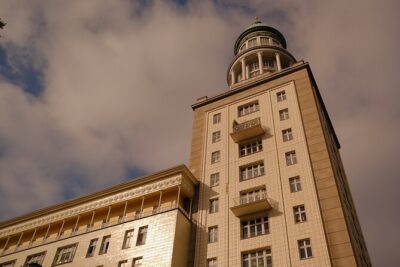
Karl-Marx-Allee Tour: Life and Architecture in East Berlin
Read our review →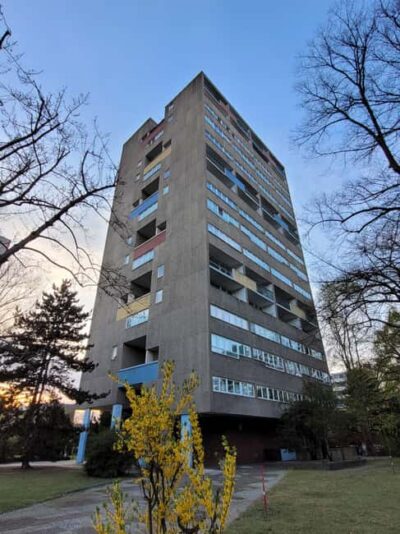
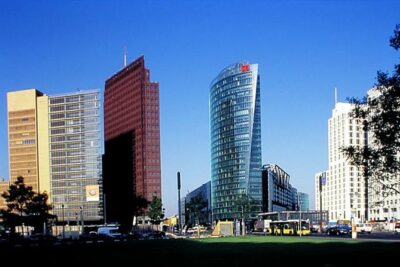

Karl-Marx-Allee Tour of Life and Architecture in GDR
Read our review →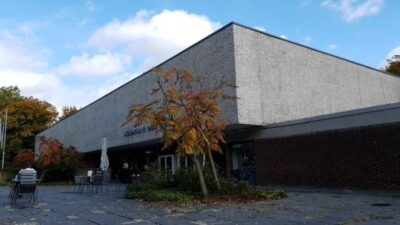
Guided Architectural Walking Tour of Hansaviertel
Read our review →
Berlin Architecture/River Spree Full Day Photography Tour
Read our review →
Private Taxi Tour of City East History and Architecture 2-3h
Read our review →Browse the lists this tour appears in