
Review · HISTORICAL TOURS
Dar es Salaam History and Architectural Tours
Dar es Salaam’s story is written in many styles: a 1903 cathedral on the site of the city’s first mosque, a Bavarian-style Lutheran church under palm trees, traditional homes from across Tanzania, and busy markets that still shape daily life. This private tour brings those pieces together with Bernard, a guide who is passionate about the city and explains its past, faiths, art, music, and modern growth in plain, personal terms.
I especially like the mix of architecture and living culture, rather than a day spent only inside museums. I also like that private transport, lunch, snacks, bottled water, entrance fees, and a seven-hour schedule are included. The main drawback is the pace: nine stops in about seven hours leaves little spare time, and Mlimani City Mall may feel less distinctive than the older markets and historic buildings.
Key things to know before booking
- Nine very different stops: Churches, a museum of traditional homes, woodcarving, fish, shopping, national history, and Tingatinga art all appear in one day.
- Bernard leads the day: He is praised for his clear explanations and strong grasp of Dar es Salaam’s history, architecture, religion, society, art, and music.
- Private transport keeps the route practical: You are not left to manage Dar es Salaam’s traffic and long distances between the central area, Kariakoo, Mwenge, and Ubungo.
- Lunch is included: A local lunch is part of the price, and the meal has been held at Akemi, a revolving restaurant with broad city views.
- Expect a full schedule: The listed visits add up to seven hours before allowing much room for traffic, meals, or lingering at a market stall.
- The tour suits first-time visitors: It gives you a useful introduction to both the city’s historic center and its modern commercial life.
A city explained through buildings, markets, and art
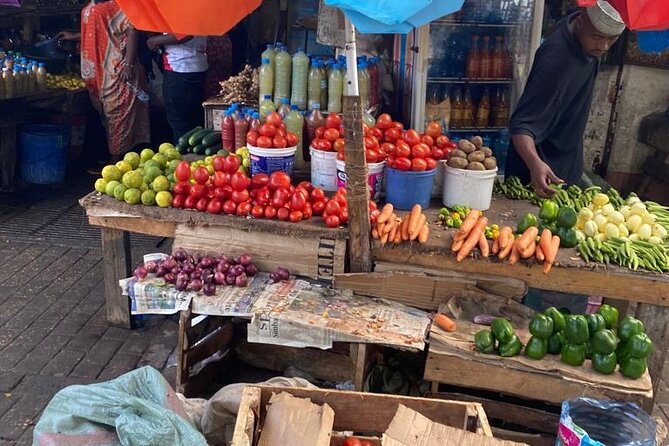
Dar es Salaam is easier to understand when you see its contrasts side by side. A religious building tells one part of the story. A fish market, carved wooden mask, or crowded commercial district tells another.
This tour works best as a broad introduction rather than a specialist architectural study. You will see important buildings, but you will also learn how people shop, worship, make art, trade seafood, and preserve traditions from across Tanzania.
Bernard’s role matters here. The strongest part of the experience is not simply reaching nine locations. It is having someone connect them. The tour description promises stories about former residents, customs, art, cuisine, and the city’s growth, while the available praise highlights Bernard’s enthusiasm, friendly manner, and clear explanations.
The day begins at 9:00 a.m. Pickup is offered, and private transportation is included. That is useful in Dar es Salaam, where the stops are spread across different parts of the city. You should still expect a warm, active day. Bottled water and snacks are included, but light clothing and comfortable shoes are sensible choices.
More History Walks in the world:
- Chicago in a Day: Food, History & Architecture Walking Tour
★ 5.0 · 1,153 reviews - Charleston’s Best Highlights: History, Culture & Architecture
★ 5.0 · 422 reviews - Palm Springs Modernism Architecture & History Bike Tour
★ 5.0 · 359 reviews
St. Joseph’s Cathedral and the city’s religious layers
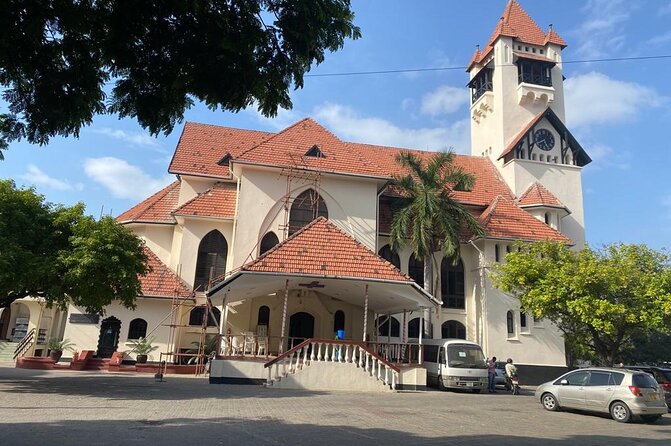
The first stop is St. Joseph’s Cathedral of the Archdiocese of Dar es Salaam, built in 1903. Its location carries unusual weight: the cathedral occupies the same spot as the city’s first mosque.
That single detail gives the building more meaning than its age or appearance alone. You are not just looking at a Catholic church. You are seeing a place connected to different stages of Dar es Salaam’s religious and urban development.
The planned visit lasts 30 minutes, with admission included. That is enough for a focused look and an explanation of the cathedral’s place in the city, but not enough for a long architectural study. If you enjoy religious buildings, listen closely to Bernard’s context here, since the historical connection between mosque and cathedral is likely to be more memorable than a simple list of dates.
Azania Front Lutheran Church and a surprising style
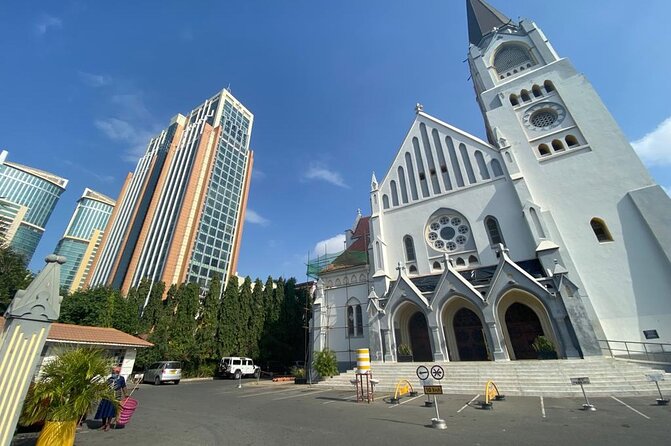
Next comes Azania Front Lutheran Church, described as a Bavarian-style church surrounded by palm trees. Its design was inspired by churches in Latin America and India, giving the building an unusual blend of influences.
This is a good example of why the tour is more interesting than a standard city drive. Dar es Salaam’s architecture does not fit neatly into one national or religious style. Buildings reflect contacts between Europe, Africa, India, and other parts of the world.
The stop lasts 30 minutes and admission is included. The visit is brief, so you will likely get an overview of the church’s look and setting rather than a long interior visit. I would pay attention to how the church sits within the tropical city around it. The palm trees are not just decoration. They make the imported architectural style feel distinctly local.
Village Museum: traditional homes from across Tanzania

The Village Museum provides one of the day’s clearest links to everyday life. It presents traditional homes and living conditions associated with several Tanzanian tribes.
Instead of seeing only objects behind glass, you can look at the shape and arrangement of homes as physical evidence of how people lived. Buildings can explain climate, family life, materials, work, and social customs in a way that labels alone cannot.
You have one hour here, which is a useful amount of time. Bernard can help place the homes in a national context, especially if you are new to Tanzania and want to understand the difference between seeing a capital city and understanding the country it represents.
The museum also helps balance the colonial and modern parts of the day. Dar es Salaam is not presented only through churches, roads, malls, and markets. You get a window into traditions from across Tanzania. Keep your expectations practical, though. This is a hands-on cultural museum, not a polished palace or a large art institution.
A few more architecture walks in the world worth a look
- Chicago Architecture River Cruise
★ 5.0 · 15,756 reviews - Chicago River 90-Minute Architecture Tour
★ 4.5 · 9,629 reviews - Chicago River: 1.5-Hour Guided Architecture Cruise
★ 4.8 · 8,046 reviews - Chicago Architecture Center River Cruise aboard First Lady
★ 5.0 · 5,536 reviews
Mwenge Woodcarvers Market and the practical side of souvenirs
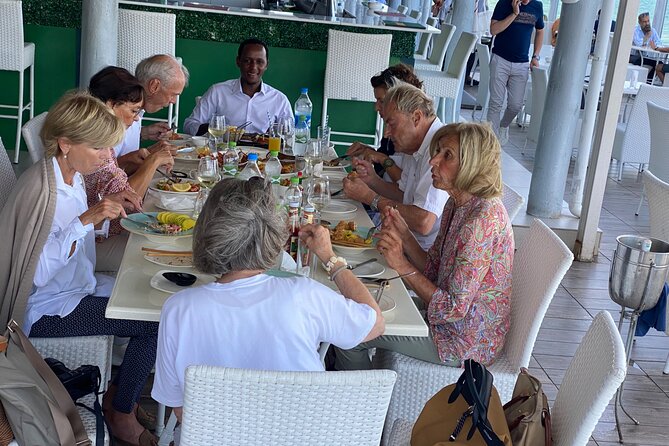
At Mwenge Woodcarvers Market, the focus shifts from historical buildings to working art and shopping. The market is known for ebony carvings, including statues, masks, and chests.
A stop here is useful even if you are not planning to buy anything. You can see the skill involved in shaping hard, dark wood and compare the forms and finish of different pieces. The market also gives you a chance to ask about size, transport, and how an object was made.
One hour is enough to browse without turning the visit into a rushed photo stop. If you do buy something, remember that a carved chest is not as easy to carry as a small mask or figure. The tour includes private transportation, but you remain responsible for your own purchases and any shipping arrangements.
Markets can also be the least predictable part of a scheduled day. Prices, approaches from sellers, and the amount of time you want to spend may vary. Bernard’s guidance should help you keep the stop comfortable and focused, but do not expect the quiet pace of a museum.
Kivukoni Fish Market: food, work, and the waterfront economy

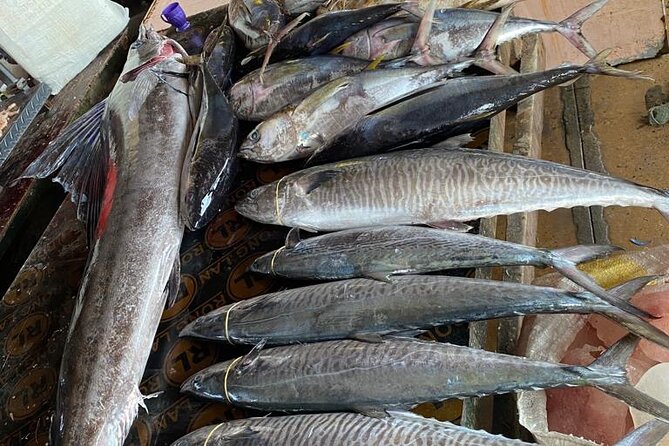
Kivukoni Fish Market offers a more direct look at Dar es Salaam’s working life. Freshly caught seafood arrives here, and the market plays an important part in the city’s fishing trade and food culture.
The planned visit is 30 minutes. That is short, but enough to see the market’s activity and understand why seafood matters to the city. You may also have a chance to sample local dishes, although the tour details do not promise a seafood tasting at this specific stop.
This is one place where comfortable shoes and an open mind help. Fish markets are working places, not staged attractions. The sights, smells, and noise may be stronger than at the churches or museums. That is precisely why the stop adds value: it shows a side of Dar es Salaam that a polished architectural route would miss.
Lunch, snacks, and keeping your energy up
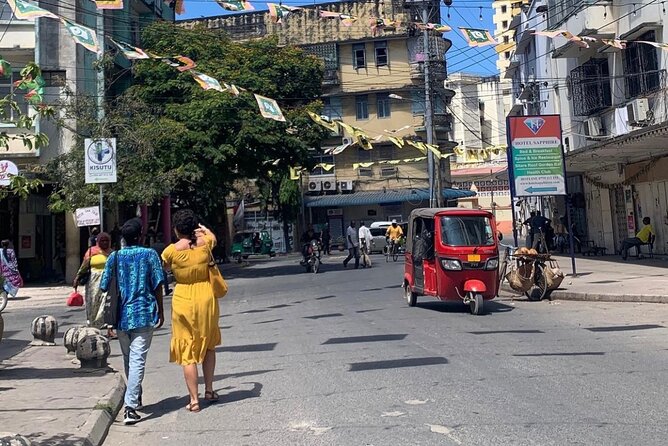
Lunch is included as a local meal, along with snacks before lunch and bottled water throughout the day. That matters because the schedule is long and includes several active stops.
One account of the experience included lunch at Akemi, a revolving restaurant with wide views over the city. Since the supplied details identify the meal as local lunch but do not guarantee a fixed restaurant, you should treat Akemi as a possible example rather than a promise.
The meal is part of the tour’s value, but you should not book this expecting a long restaurant visit. With nine stops in seven hours, lunch needs to fit into a full sightseeing day. Alcohol is not included. If you want drinks later, the provider can take you to bars or sports bars, with an estimated cost of $30 to $50 per person and an age limit of 18 and above. Dinner is also separate and may cost about $30 to $50 at good restaurants.
National Museum: putting the city into Tanzania’s story
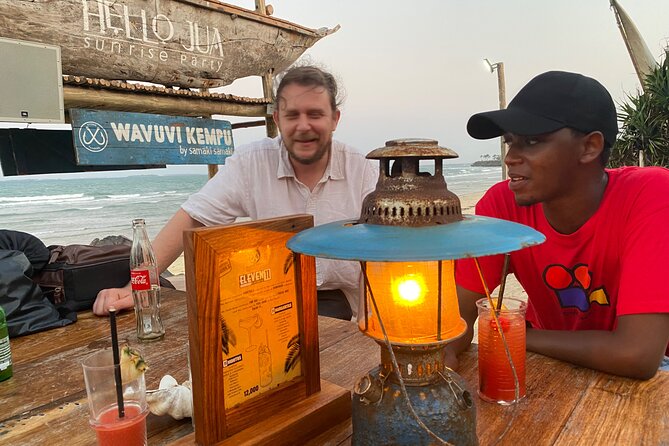
The National Museum of Tanzania is a consortium of five Tanzanian museums. Its purpose is to preserve and display material about the country’s history and natural environment.
The one-hour visit gives you a wider frame for the rest of the day. The churches and markets show Dar es Salaam itself, while the National Museum helps explain Tanzania as a whole. That makes this stop especially useful if you are visiting the city at the start of a larger trip.
Do not expect to cover every part of five museums in one hour. The value comes from selecting the displays and themes that best fit your interests. Bernard’s explanations can help you make sense of the country’s past instead of wandering through exhibits without context.
For many people, this will be the most educational stop. For others, it may feel more formal after the direct energy of the fish market and woodcarvers’ stalls. The day benefits from having both kinds of experience.
Kariakoo Market: Dar es Salaam at full commercial scale
Kariakoo is known for markets extending over many city blocks. It contributes heavily to Dar es Salaam’s commercial life, and the one-hour stop lets you see the city operating on a large scale.
This is not a tidy market built mainly for sightseeing. It is a place where shopping and trade happen across a broad urban area. That makes it one of the strongest stops for understanding modern Dar es Salaam.
Expect a lot to take in during an hour. You may notice the range of goods, the movement of people, and the way the market connects different parts of city life. The exact experience will depend on the day and the areas you visit, so flexibility helps.
Kariakoo also explains why private transport is valuable. Moving between the city’s sites on your own can take time and planning. With a private vehicle and guide, you can focus on the market rather than working out the route.
Mlimani City Mall and the modern city
Mlimani City Mall is on Sam Nujoma Road in Ubungo. At 30,000 square meters, it is one of Tanzania’s largest malls.
After churches, traditional houses, museums, and street markets, the mall provides a useful contrast. It shows the newer, commercial face of Dar es Salaam and gives the tour a present-day endpoint in the city’s development.
The stop lasts one hour. That will appeal to you if you want to see how residents shop and spend leisure time today. If your main interest is old architecture or local craft, this may be the least compelling stop. It is a modern mall, not a historic site.
Still, I like its place in the route. A city tour should not freeze Dar es Salaam in the past. The mall helps show that the city is changing, expanding, and serving a modern population alongside its older neighborhoods and traditions.
Tingatinga art and a strong final stop
The final visit is to the Tingatinga Arts Cooperative Society. Tingatinga painting developed in Tanzania during the second half of the 20th century. The works are known for striking color and are often painted on masonite, which makes them easier to transport.
The 30-minute stop is well suited to a final look at Tanzanian art. You can see a style strongly associated with the country and consider taking home a painting that is easier to pack than a carved chest or large sculpture.
The short visit should be enough to introduce the style and give you time to browse. If you are serious about buying, ask about the size, materials, and transport before making a decision. The tour information does not set out a shopping guarantee or fixed purchase procedure, so treat this as an art stop first and a buying opportunity second.
What the $150 price really covers
At $150 per person, this is not the cheapest way to see Dar es Salaam. The price becomes easier to justify if you value a private day with transport, a dedicated guide, admission fees, lunch, snacks, and water already included.
You are paying for more than nine brief arrivals. The practical value lies in having Bernard connect architecture, religion, art, markets, and national history while someone else handles the transport. That is especially useful for a first visit or a short stay.
The value is weaker if you mainly want to explore slowly or spend hours shopping. The schedule is tight, and the private format does not remove the travel time between locations. You may also prefer to choose your own restaurants and skip modern shopping centers.
This tour is recommended for first-time visitors, people with only one free day, and anyone who wants a guided overview rather than a narrow focus on colonial architecture. It is less suitable for a specialist who wants long, quiet visits at only two or three sites.
The experience is normally booked about 56 days ahead, which suggests planning early if your dates are fixed. Confirmation is provided at booking, and free cancellation is available up to 24 hours before the 9:00 a.m. start. Changes or cancellations inside that window are not accepted for a refund.
Should you book this Dar es Salaam tour?
Book it if you want Dar es Salaam explained as a living city, not just a collection of old buildings. Bernard’s personal approach, the private vehicle, and the strong range of stops are the main reasons to choose it.
I would especially recommend it for a first visit, a cruise stop with enough time for a full day, or a trip where you want one organized introduction before exploring alone. The mix of St. Joseph’s Cathedral, Azania Front Lutheran Church, Village Museum, Kariakoo Market, Kivukoni Fish Market, and Tingatinga art gives you a useful sense of place.
Skip it if you dislike full schedules, prefer independent wandering, or have little interest in malls and markets. For everyone else, $150 buys a practical, well-filled day with food, transport, and a guide who can tie Dar es Salaam’s past to its present.
FAQ
How long does the Dar es Salaam history and architectural tour last?
The tour lasts approximately seven hours and begins at 9:00 a.m.
Is pickup available?
Yes. Pickup is offered, and private transportation is included.
Is this a private tour?
Yes. Only your group participates in the private activity.
Which meals and drinks are included?
Local lunch, snacks before lunch, and bottled water are included. Alcoholic beverages and dinner are not included.
Which attractions have admission included?
Admission fees are included for St. Joseph’s Cathedral, Azania Front Lutheran Church, the Village Museum, Mwenge Woodcarvers Market, Kivukoni Fish Market, the National Museum of Tanzania, Kariakoo Market, Mlimani City Mall, and the Tingatinga Arts Cooperative Society.
Can I cancel for a full refund?
Yes. You can cancel at least 24 hours before the experience start time for a full refund. Cancellations or changes made less than 24 hours before the start time are not accepted for a refund.
Is the tour suitable for most participants?
Most people can participate, and service animals are allowed. The tour is also near public transportation.
Newly added in the world
- Barcelona: Guided tour e-bike Barcelona historical and modernist Barcelona★ 4.5 · 5 reviews
- Barcelona Architecture Walking Tour With Casa Batlló Upgrade★ 4.8 · 11 reviews
- Astana: Old City Tour, Imperialistic and Soviet Architecture★ 5.0 · 4 reviews
- Barcelona Beyond Gaudí: Modernism, Rooftops, and Hidden Gems★ 5.0 · 2 reviews
- An Architect’s Tour of Downtown Santiago★ 5.0 · 7 reviews
- Architecture Tour: Old Historic Madrid with an architect★ 4.3 · 3 reviews
- London: Architecture Tour of Benjamin Franklin House★ 5.0 · 5 reviews
- Architectural Wonders of KAFD, An Iconic Destination★ 5.0 · 3 reviews
Historical Tours, compared.
Chicago in a Day: Food, History & Architecture Walking Tour
Read our review →
Charleston’s Best Highlights: History, Culture & Architecture
Read our review →
Palm Springs Modernism Architecture & History Bike Tour
Read our review →
Historic Georgetown: History, Gossip, & Architecture Walking Tour
Read our review →
Charleston History, Homes, and Architecture Guided Walking Tour
Read our review →
Historical and Architectural Chicago Fireboat River & Lake Cruise
Read our review →Browse the lists this tour appears in