Review · GUIDED
Casbah of Algiers : Guided tours Architecture and Urban plan
The best part of this Algiers tour is the way it treats the Casbah as a living city plan, not just a collection of old buildings. With an architect guiding you, narrow lanes, sea-facing openings, mosques, palaces, and courtyards begin to fit together. Zineb’s heritage background adds useful depth, especially when she explains how the city changed over time.
I like two things in particular: the visit to a traditional house with its patio and meal, and the broad route through major landmarks and quieter corners. You also get museum and Citadel entry included. The main drawback is simple: this is a full day on foot, with no transport or bottled water included, so bring good shoes and plan for a steady pace.
Key points at a glance
- Architecture-led guiding: An architect with 12 years of guiding experience explains building types, urban growth, and protection measures.
- A traditional house and meal: See a medieval-style home centered on a patio, then eat a traditional meal with tea.
- A serious Casbah route: Visit the Palace of the Dey, Sidi Ramadan Mosque, Ketchaoua Mosque, the Great Mosque, and more.
- Battle of Algiers context: The Ali la Pointe Museum introduces one of the district’s most important modern chapters.
- Sea views and working streets: The walk includes shops, narrow lanes, and openings toward the Mediterranean.
- Private multilingual format: The tour is available in English, French, Arabic, or Spanish, with a private group.
Why an architect changes the Casbah experience
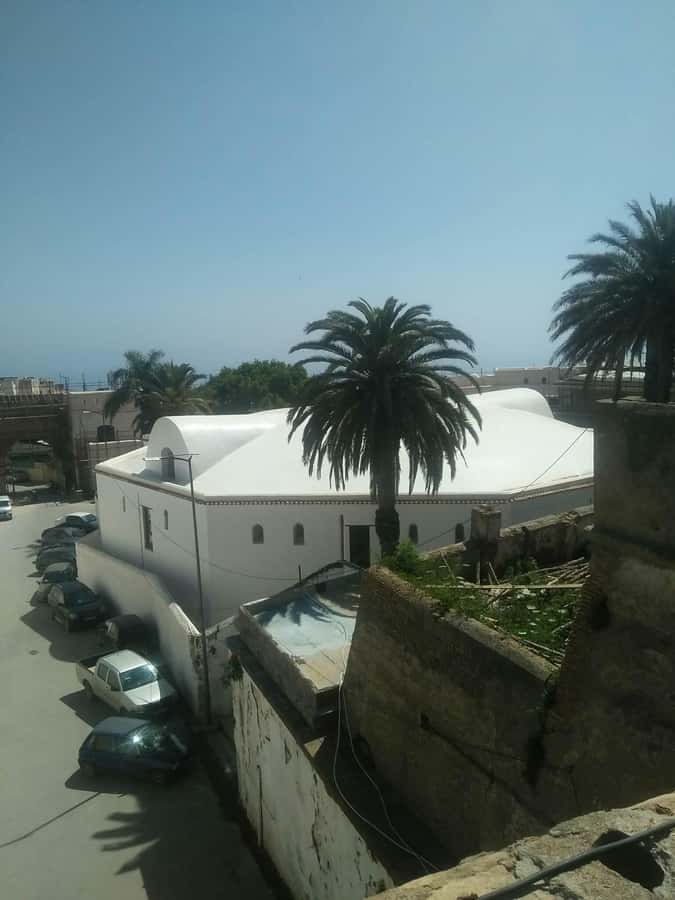
The Casbah can be confusing at first. Its streets are narrow, its buildings press close together, and the route shifts between quiet residential passages, working shops, religious sites, and open views toward the sea. Without context, it is easy to see attractive details without understanding how the pieces connect.
This tour focuses on that connection. Your guide explains the city’s architecture and urban planning, including different urban fabrics and building types. You are not simply moving from one photo stop to the next. You are learning how a medieval town worked, how political and social changes shaped it, and why protecting the old fabric matters.
The guide has 12 years of experience in guiding and specializes in heritage. Zineb led the experience for one confirmed booking, and her spoken English was praised as clear, with a high level of detail throughout the day. That matters here. The Casbah has plenty of places where a short explanation can turn an ordinary doorway, lane, or courtyard into something meaningful.
The private format also helps. You can ask questions about a building or pause when a detail catches your eye, rather than trying to keep up with a large group. The trade-off is that the tour’s value depends heavily on your interest in architecture, history, and urban development. If you want only a quick scenic walk, this may feel too detailed.
More Guided Tours in the world:
- Chicago River: 1.5-Hour Guided Architecture Cruise
★ 4.8 · 8,046 reviews - Charleston: History and Architecture Guided Walking Tour
★ 4.8 · 349 reviews - Vienna: Spanish Riding School Guided Architectural Tour
★ 4.8 · 333 reviews
Starting by Bologhine ibn Ziri
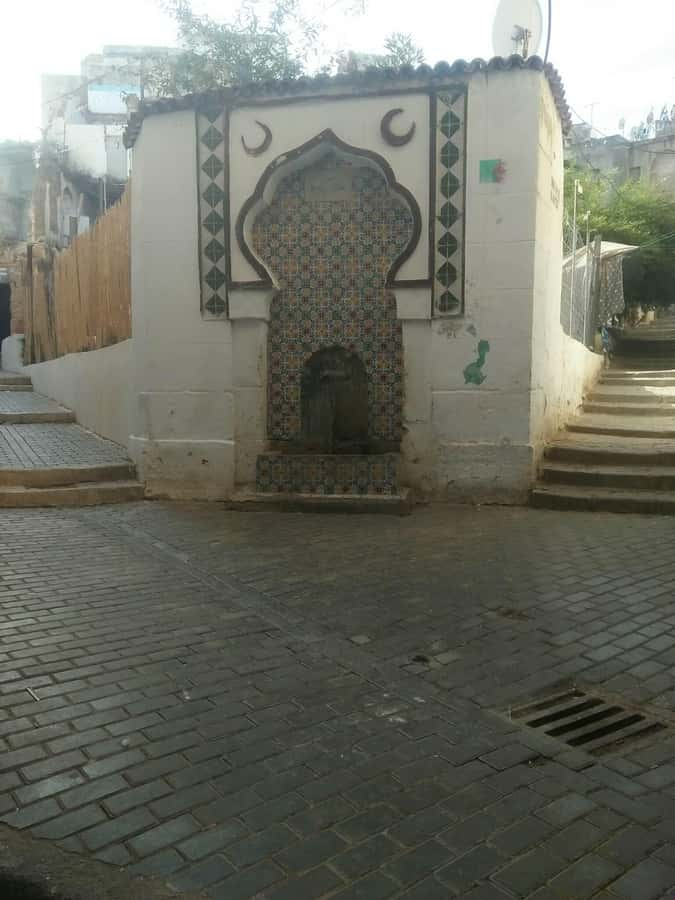
The meeting point is beside the Statue of Bologhine ibn Ziri, near Barbarossa Prison. Look for the guide wearing a white cap. This is a practical meeting point, but you should arrive ready to begin walking because transportation is not included.
The opening location sets the tone. Bologhine ibn Ziri is tied to the origins of Algiers, and beginning here gives the day a clear sense of place. From the start, the tour connects the city’s foundation with the Casbah’s later growth.
Bring comfortable shoes. The route includes narrow streets, walking between stops, and a full day of sightseeing. Water is not included, so carry a bottle. Street food and souvenir purchases are also your responsibility.
Palace of the Dey and the first look at power
The Palace of the Dey receives about an hour, making it one of the more substantial visits. You get a photo stop, a guided visit, and time to examine the site rather than merely pass its entrance.
This is an important early stop because it gives you a political frame for the Casbah. The guide can connect the palace to the people and events that shaped Algiers, then relate its rooms and structure to the wider city around it. Pay attention to how the palace fits into the dense urban setting. The contrast between a seat of authority and the tight residential fabric nearby helps explain the Casbah’s unusual character.
The included admission is useful here, as well as at the other museums and the Citadel. You do not need to budget separately for the listed entry tickets.
Statah El Bahja and the rhythm of the old streets
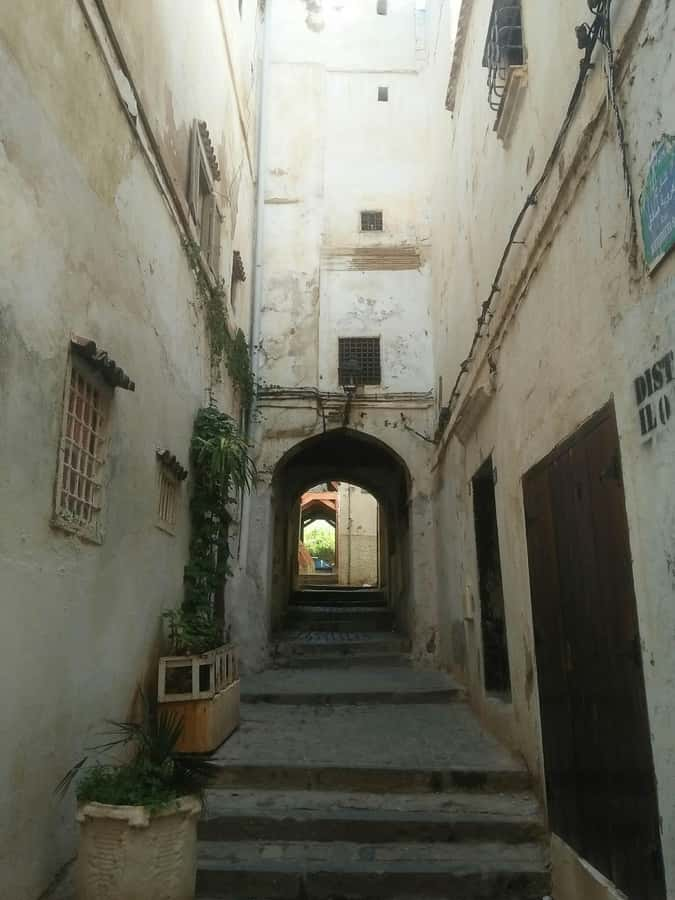
The next stop, written in the program as ستاح البهجة, takes around 45 minutes. It combines a photo stop, a guided explanation, and a walk through the neighborhood.
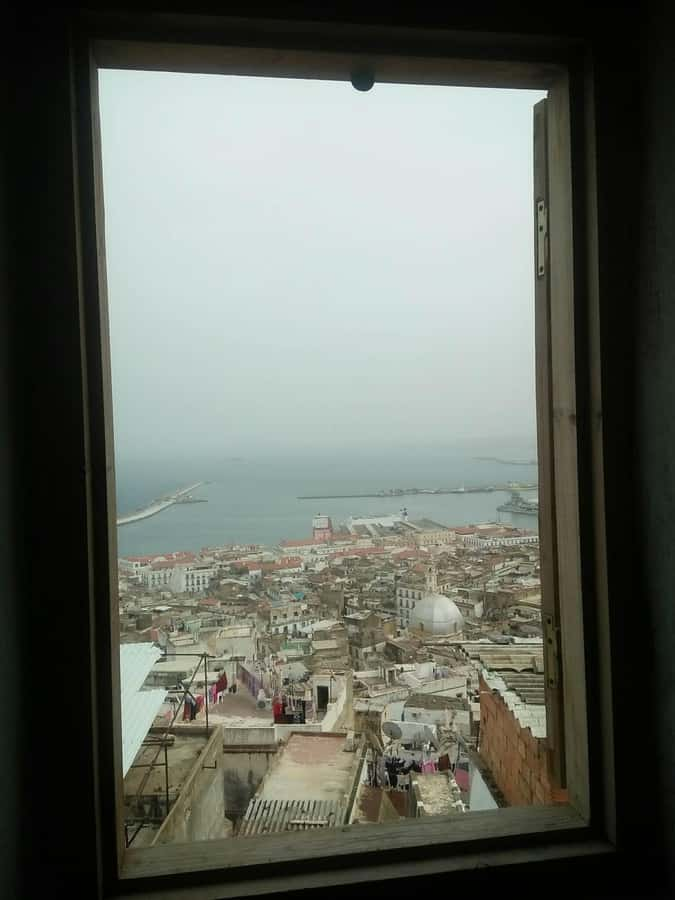
This is where the tour’s interest in urban form becomes especially clear. You pass through narrow streets and areas with shops, while the city occasionally opens toward the sea. Those sea views are not just scenic pauses. They help you understand the Casbah’s position above the waterfront and the way movement, outlook, and defense influenced the old city.
The shopfronts also give the walk a working-city feel. This is not a silent archaeological site. You are seeing a district where daily life still takes place, which can make the architecture easier to understand. Keep your camera ready, but listen closely here, since the value lies as much in the explanation of the streets as in individual buildings.
A few more architecture walks in the world worth a look
- Chicago Architecture River Cruise
★ 5.0 · 15,756 reviews - Chicago River 90-Minute Architecture Tour
★ 4.5 · 9,629 reviews - Chicago Architecture Center River Cruise aboard First Lady
★ 5.0 · 5,536 reviews - Chicago: Architecture River Cruise Skip-the-Ticket Line
★ 4.8 · 4,325 reviews
Sidi Ramadan Mosque and a medieval town in miniature
The visit to Sidi Ramadan Mosque lasts about 30 minutes. Expect a photo stop, a guided visit, and another walk through the Casbah.
Religious buildings help anchor the old city. The mosque is part of the route because it shows how faith, neighborhood life, and urban structure meet. Your guide discusses the surrounding fabric and architectural types, so the mosque is not treated as an isolated monument.
This stop is also a reminder that the Casbah is best understood at walking speed. The short distance between a mosque, a residence, a shop, and a passageway reveals the compact design of the old town. You may find the lanes tight and the walking tiring, especially later in the day, but that close scale is central to the experience.
Sidi Abderrahmane and the spiritual side of Algiers
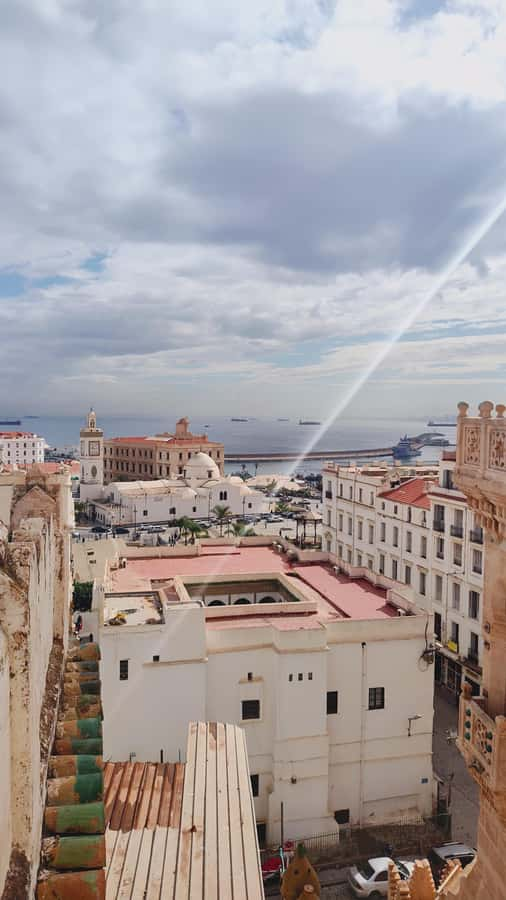
The tour then visits Meqam Sidi Abderrahmane for about 30 minutes. This is a dedicated visit rather than only a quick exterior stop.
The site adds a spiritual layer to the day. By this point, you have seen political architecture and ordinary streets. Sidi Abderrahmane helps show another part of the Casbah’s identity, one shaped by devotion and local tradition.
As with all religious sites, follow the guide’s instructions on appropriate behavior. The tour data does not specify a dress code, so ask your guide if you are unsure. The stop is short enough to fit comfortably into the day while still giving the site proper attention.
Ali la Pointe Museum and the Battle of Algiers
The Ali la Pointe Museum takes roughly 30 minutes and includes a visit, sightseeing, and walking. This stop shifts the story from medieval urban form to the modern political struggle associated with Algiers.
The district witnessed a major scene of the Battle of Algiers, and the museum places that chapter within the actual streets you are walking. That location matters. Political history can feel abstract in a display case, but here it is tied to the Casbah’s lanes and buildings.
You should not expect a long museum session. Thirty minutes is enough for a focused introduction, especially when your guide adds context. If modern Algerian history is a main reason for your trip, you may wish you had more time, but the museum works well as part of a wider route.
Ketchaoua Mosque and Dar Mustapha Pacha
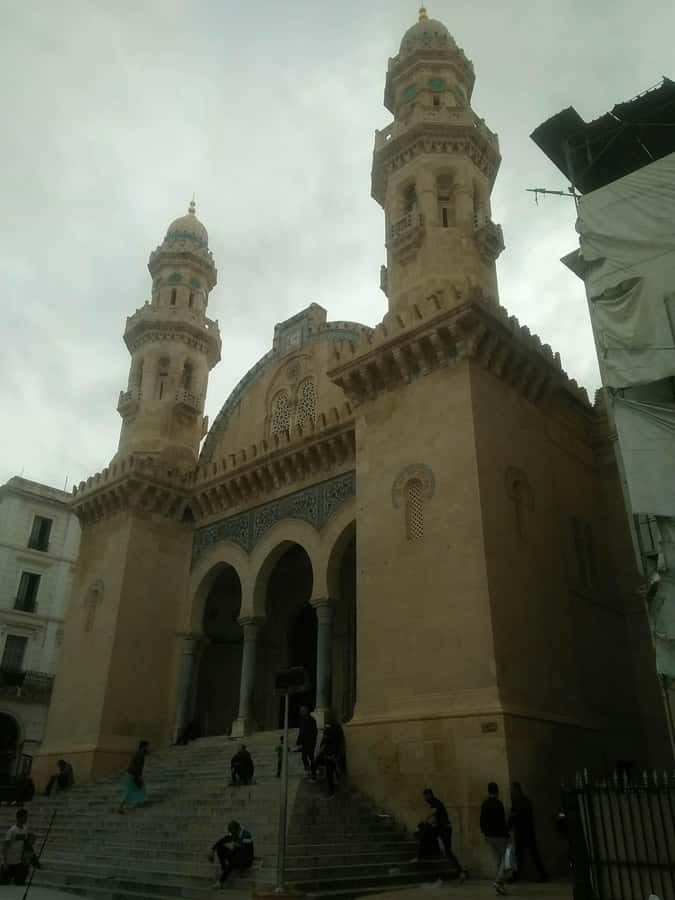
Ketchaoua Mosque receives about 30 minutes of guided walking time. Its place on the route gives you another chance to compare religious architecture with the streets and structures around it.
The tour then moves to Dar Mustapha Pacha, with about 15 minutes for a visit. That shorter stop is best understood as one piece of the wider architectural story rather than a long standalone museum experience. The route asks you to compare different buildings, periods, and functions across the Casbah.
This sequence can feel dense. There are several named sites in a single day, and you will absorb more if you let the guide explain the relationships between them rather than trying to memorize every detail. The private format helps you ask for clarification when several names and dates begin to blur.
A traditional house, patio, and a meal with tea
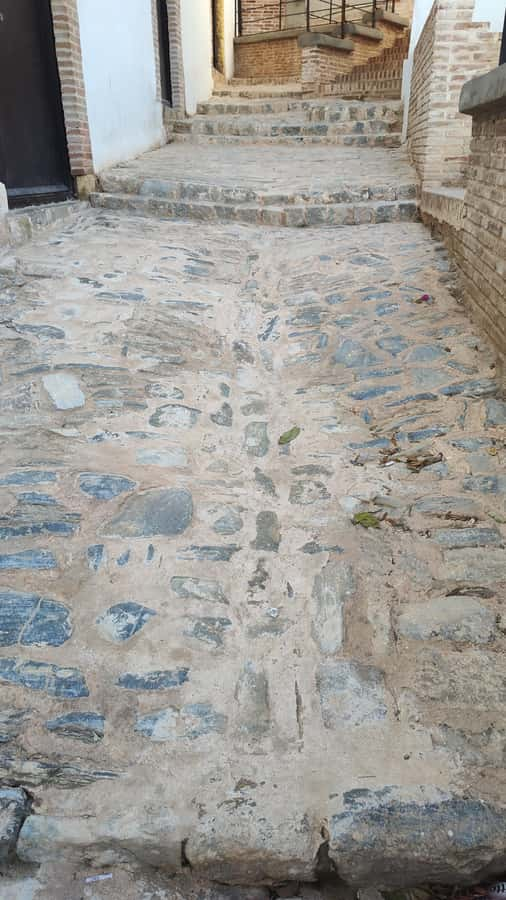
The traditional house is one of the day’s strongest features. You visit a home from the medieval period with a beautiful patio, and the setting gives you a direct look at domestic architecture.
A patio is more than a decorative center. It helps explain how a traditional house organizes rooms, light, air, privacy, and family life around an internal space. Your guide uses the house to explain its typology, giving you a practical way to understand the difference between a home and a palace, mosque, or public building.
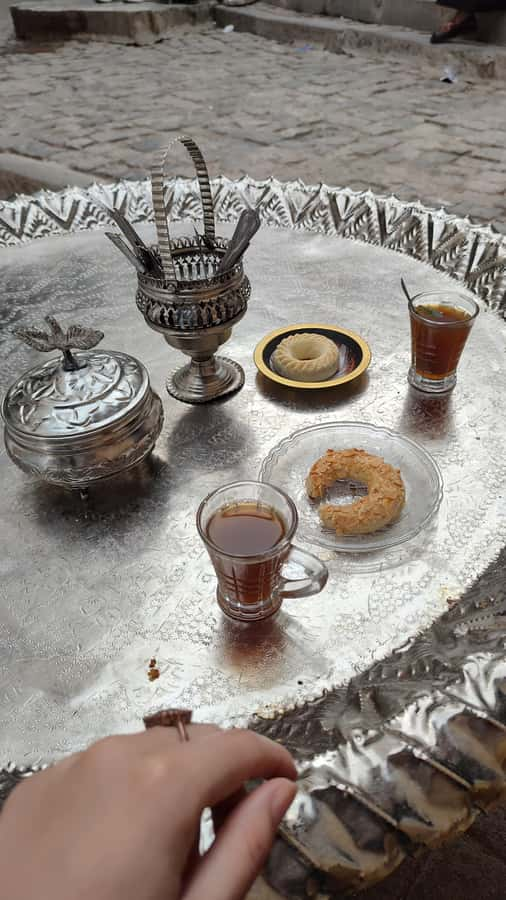
The included traditional meal with tea adds another useful layer. Food introduces the city through culinary custom, not only through stone and plaster. It is also a welcome pause in a walking-heavy day.
The meal is included, but street food is not. That distinction matters if you want to sample snacks outside the planned meal. Souvenirs are not included either.
Museums, the Raïs Palace, and the seafront connection
The National Museum of Arts and Popular Traditions receives about 15 minutes. This is a short visit, but it supports the tour’s wider focus on daily life, craft, and cultural expression.
The Raïs Palace, also called Bastion 23, receives around 30 minutes for a photo stop, guided visit, sightseeing, and walking. It is one of the more complete stops late in the route, and its position helps connect the Casbah with the waterfront.
The palace is especially useful after you have spent hours among inland lanes. You can now consider how the old city related to the sea, trade, authority, and defense. The route’s sea views and coastal openings become easier to read after the architect has explained the city’s form.
The Great Mosque and Martyrs’ Square
The Great Mosque receives around 30 minutes of sightseeing and walking. Like the other religious sites, it gives the guide another chance to explain how important buildings fit into the Casbah’s tight urban structure.
The tour finishes at Martyrs’ Square. Ending there gives the day a clear urban endpoint and places you near a major public space after the enclosed lanes of the old town. It is a sensible finish for a route that has moved between palaces, houses, mosques, museums, and the waterfront.
The entire day contains many stops, but they are not all equal in length. The Palace of the Dey and Raïs Palace receive more time, while some museums and houses are brief. Think of this as a connected architectural walk rather than a series of long museum visits.
What $69 includes, and what it does not
At $69 per person, the price is reasonable if you value expert interpretation and the included admissions. You receive a private guided tour with an architect, entry to all listed museums and the Citadel, and a traditional meal with tea.
That combination is stronger than a basic street walk. Several entrance fees are covered, and the guide’s architectural focus gives the day a clear purpose. The meal also means you are not paying extra for the main planned food break.
The price does not include transportation, water, street food, or souvenirs. Since the meeting point and finish are different, you should arrange your own way to the starting point and onward plans from Martyrs’ Square. Check the available starting time before booking, since the activity is valid for one day and operates according to availability.
The booking terms are flexible. You can cancel up to 24 hours before the activity for a full refund, and you can reserve now and pay later. The tour is not suitable for people over 95, according to the stated restrictions.
Who should book this Casbah walk
I would choose this tour if you want the Casbah explained rather than simply photographed. It suits you especially well if you enjoy architecture, urban planning, political history, religious buildings, and local food.
It is also a good fit if you want a private experience in your preferred language. French, Arabic, English, and Spanish are available. Clear spoken English was specifically praised for Zineb, along with the large amount of detail covered during the day.
I would be more cautious if you dislike long walks or prefer free time at each museum. The route is packed, and some stops last only 15 or 30 minutes. You also need to carry your own water and handle transportation independently.
Should you book it?
Book it if the idea of understanding Algiers through its streets appeals to you. The traditional house, patio meal, sea views, Battle of Algiers museum, and architecture-focused guiding make this more than a standard sightseeing circuit.
Skip it if you want a relaxed half-day or a tour centered on one major monument. This is a full-day route with many stops and steady walking. For an active day that connects medieval homes, palaces, mosques, museums, and the modern city, $69 offers solid value.
FAQ
How long does the Casbah tour last?
The experience is listed as a one-day activity. The itinerary includes many walking visits and sightseeing stops across the Casbah.
How much does the tour cost?
The price is $69 per person.
Where does the tour begin?
Meet beside the Statue of Bologhine ibn Ziri, near Barbarossa Prison. The guide will be wearing a white cap.
Where does the tour finish?
The tour finishes at Martyrs’ Square.
Is transportation included?
No. Transportation is not included.
Is a meal included?
Yes. A traditional meal with tea is included during the visit to a traditional house.
Are museum and Citadel entrance fees included?
Yes. Entry tickets to all museums and the Citadel are included.
Which languages are available?
The live guide is available in French, Arabic, English, and Spanish.
Can I cancel or pay later?
You can cancel up to 24 hours in advance for a full refund. You can also reserve now and pay later.
Newly added in the world
- Washington, DC: Georgetown Architecture Walking Tour★ 5.0 · 8 reviews
- Wilmington History and Architecture Tour★ 4.8 · 18 reviews
- Washington DC: Dupont Circle & Embassy Row Architecture Tour★ 5.0 · 6 reviews
- New Orleans : Garden District Architecture Walking tour★ 4.8 · 5 reviews
- Unveiling Brno: History, Culture & Architectural Delights★ 5.0 · 2 reviews
- Vicenza: Palladian Architecture Private Walking Tour★ 3.3 · 3 reviews
- Walk & Discover KL’s Architectural and Heritage Gems★ 5.0 · 7 reviews
- Private Colonial Williamsburg Architectural Tour★ 5.0 · 5 reviews
Guided, compared.

Chicago River: 1.5-Hour Guided Architecture Cruise
Read our review →
Park Güell: Guided Tour with Optional Gaudí Experience Entry
Read our review →
Vienna: Spanish Riding School Guided Architectural Tour
Read our review →
Charleston History, Homes, and Architecture Guided Walking Tour
Read our review →