
Review · WALKING TOURS
Savannah: History and Architecture Homes Walk
Savannah’s grand houses are not just pretty facades. They show how wealth, climate, building materials, family life, slavery, war, and changing taste shaped the city. This two-hour walk puts those details in front of you, with stops near the Owens-Thomas House, Green-Meldrim House, and Juliette Gordon Low’s birthplace.
I like the focus on domestic architecture, rather than a broad city tour that rushes past everything. I also like the local angle: a Savannah-born guide can help you notice details you would likely miss on your own. The main drawback is that the quality and tone can depend on the guide, and past tours have ranged from clear and entertaining to confusing or politically uncomfortable.
Key points to know before you go
- Two hours on foot: This is a compact morning walk through the Historic District, with no transport included.
- Architecture takes center stage: You’ll examine homes from roughly two centuries, including a celebrated Regency-style building.
- Three important landmarks: The route includes the Owens-Thomas House, Green-Meldrim House, and the area around the Juliette Gordon Low Birthplace.
- Local guides shape the experience: William and Brad have both led tours, but their presentation styles may differ.
- History is not always comfortable: The tour deals with Southern wealth, domestic life, war, and slavery, so the guide’s framing matters.
- Prepare for Savannah weather: Wear walking shoes, carry water in summer, and bring rain gear for a light shower.
Why Savannah’s houses tell the real story
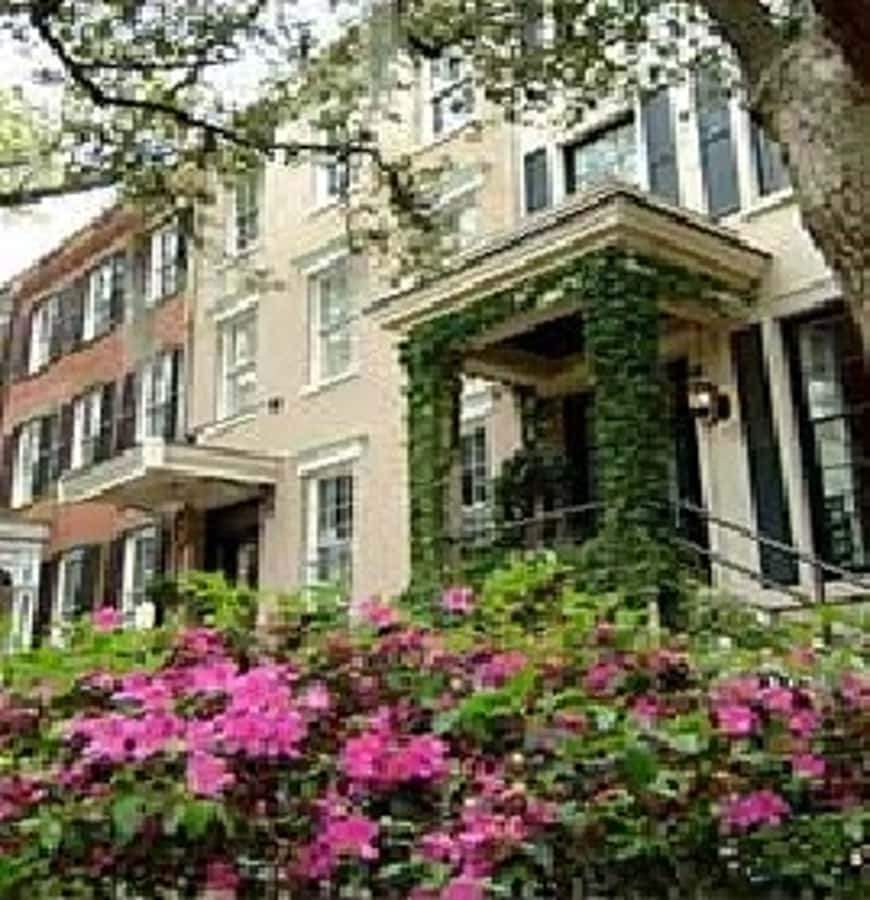
Savannah is easy to admire at street level. Squares shaded by trees, ironwork balconies, painted shutters, and broad front steps make the Historic District feel almost too tidy to be real. But this walk asks you to look past the postcard view.
A house can tell you who had money, who worked inside it, which materials were available, and how residents responded to heat and humidity. A change in window size or roof shape may reveal a change in fashion, technology, or social life. That makes this tour useful for anyone who wants more than a quick photograph of a handsome building.
The focus is mainly on the 18th and 19th centuries, with discussion extending into the early 20th century. You get a sense of how Savannah’s private homes changed over about 200 years, rather than hearing only about one famous owner or one dramatic event.
That approach gives the walk a clear purpose. You are not simply ticking off historic addresses. You are learning how a city’s homes developed and why preservation became such an important part of Savannah’s identity.
More Walking Tours in the USA
- The Official Art Deco Walking Tour by The Miami Design Preservation League
★ 5.0 · 1,580 reviews - Chicago in a Day: Food, History & Architecture Walking Tour
★ 5.0 · 1,153 reviews - Miami South Beach Art Deco Walking Tour
★ 5.0 · 1,039 reviews
Starting at Warren Square
The walk begins at Warren Square, between Congress Street and Habersham Street. This is a useful starting point because you are already in the Historic District, surrounded by the kind of streets and houses the tour is designed to explain.
Arrive ready to walk rather than expecting a seated talk or a vehicle ride. The route lasts about two hours and is usually offered in the morning, which is a sensible choice in Savannah. Summer afternoons can be hot and humid, and the shade does not remove the need for water.
The meeting point has caused trouble in the past, so check the current directions carefully before setting out. Older information has sent people to the wrong spot, leading to a long wait and a hurried start. Since this is a walking tour, losing 20 minutes at the beginning can mean missing part of the experience.
The Owens-Thomas House and Regency design
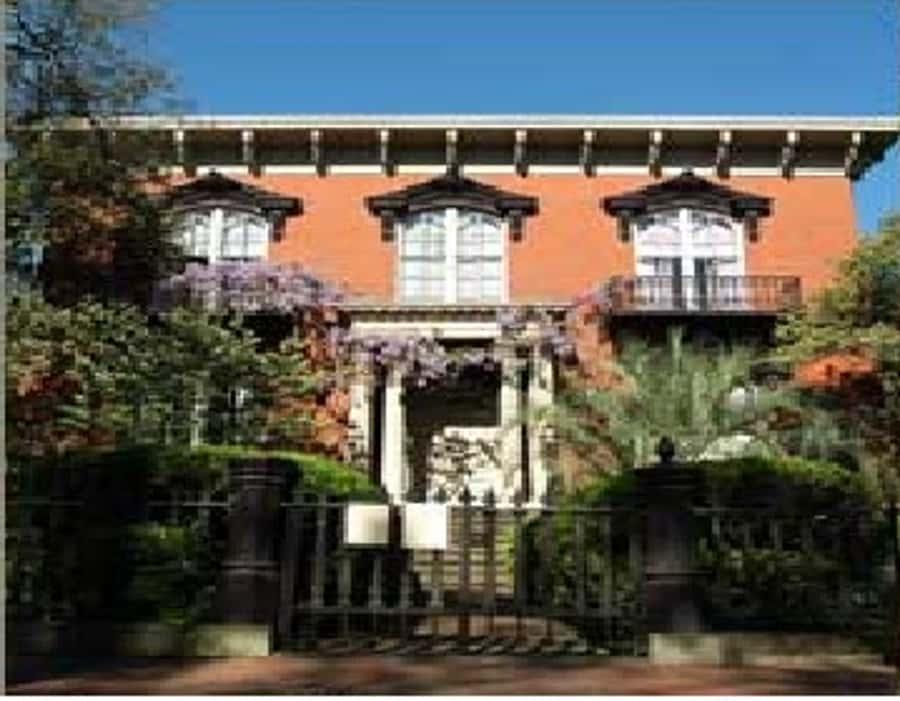
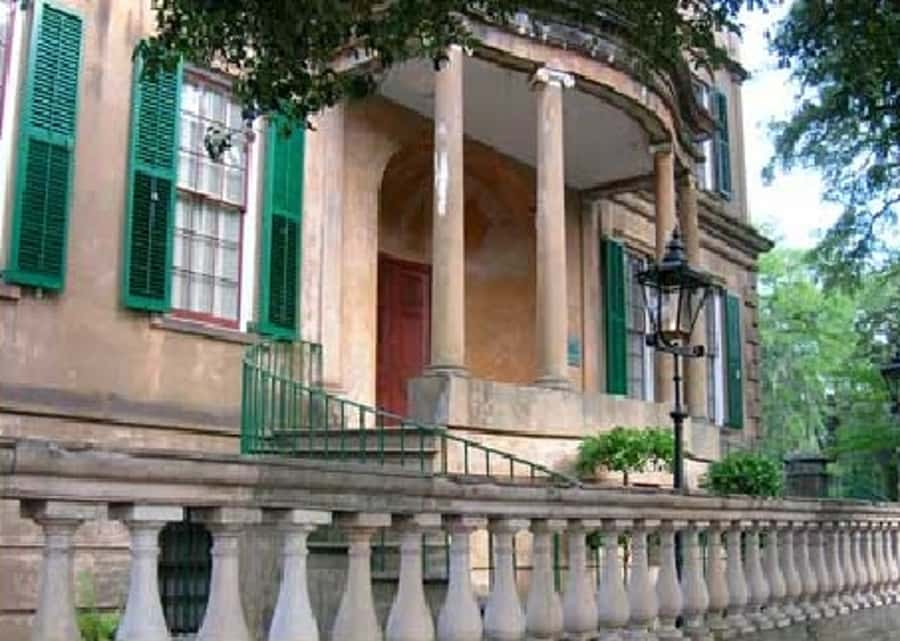
One of the major architectural stops is the Owens-Thomas House, often described as one of the finest examples of Regency architecture in the United States. Even if you do not know the style beforehand, the guide’s explanation should help you see why the building matters.
Regency design is associated with balance, restraint, and classical influence. On a walk like this, those ideas become easier to understand when you can compare the home with neighboring buildings. The point is not to memorize a label. It is to notice how the proportions, materials, windows, and decorative details create a particular look.
The house also gives the guide a chance to discuss how a grand Savannah residence functioned. A large home was not just a private retreat for the family. It depended on domestic labor, careful planning, and a social system that placed comfort and leisure at the center of wealthy life.
That last point deserves direct attention. Talk of refined Southern society can sound charming if it ignores the people who made that lifestyle possible. A good guide should explain both the elegance of the home and the unequal system behind it. If the presentation stays only on manners, furnishings, and old family names, you are getting an incomplete picture.
Green-Meldrim House and Civil War Savannah
The Green-Meldrim House adds a different layer to the route. It is linked to General William T. Sherman, who used the house during the Civil War. The wording around his stay can sound light, but the event itself points to a tense period when Savannah’s buildings became connected to military power and political change.
This stop helps break up the architecture lesson with a major historical turning point. You move from the design of private homes to the way those homes were affected by war. The building becomes more than an elegant residence. It becomes part of the story of occupation, command, and the survival of the city.
The guide may connect this material with the Revolutionary War or other periods. That can be useful when the links are explained clearly, but the timeline needs care. One past tour became confusing because it jumped between the Revolutionary era and the Civil War without a clear order.
You should expect a guide-led interpretation rather than a strict academic lecture. Some guides add ghost stories or haunted details, even though the stated focus is architecture and social history. That can be entertaining, but it may feel like a detour if you came specifically for building design.
Same city, a different facade:
- Chicago Architecture River Cruise
★ 5.0 · 15,756 reviews - Chicago River 90-Minute Architecture Tour
★ 4.5 · 9,629 reviews - Chicago River: 1.5-Hour Guided Architecture Cruise
★ 4.8 · 8,046 reviews - Chicago Architecture Center River Cruise aboard First Lady
★ 5.0 · 5,536 reviews
Two centuries of domestic architecture
The strongest part of the experience is the chance to compare houses across time. Savannah’s domestic buildings were not all designed for the same climate, wealth, family structure, or social purpose. The guide discusses how homes developed through the 18th and 19th centuries and may also touch on building materials used into the early 1900s.
That material focus is especially helpful. Visitors often notice a house’s color or ornament first, but materials reveal practical choices. Brick, wood, stone, iron, and other building elements respond differently to weather, cost, labor, and fashion. Understanding those choices makes the streetscape easier to read after the tour ends.
You may also hear how domestic architecture reflected ideas about privacy and public display. A formal front entrance, wide porch, tall windows, or carefully placed rooms could say something about how a family wanted to receive people and present itself.
I would treat this as an introduction rather than a full architectural course. The walk gives you a framework for looking at Savannah, but it cannot explain every house in detail in two hours. That is a fair trade. A shorter route keeps the experience manageable and leaves you with enough energy to explore on your own.
Juliette Gordon Low Birthplace and the final stop
The walk ends near the Juliette Gordon Low Birthplace. Built in 1818, it became Savannah’s first National Historic Landmark in recognition of Low, the founder of the Girl Scouts.
This is a fitting ending because the house connects architecture with a well-known Savannah figure. It also gives you a clear landmark for the next part of your day. You can decide whether to continue exploring the neighborhood or visit the birthplace separately.
Do not assume that the walking tour includes a full interior visit to the Low house. The experience ends in its vicinity, and the information provided does not include entry. That distinction matters if this is the building you most want to see inside.
There has also been confusion in the past about which home was being visited. One earlier participant expected the Low birthplace but was directed toward the Davenport House instead, which they had already seen. Confirm the route and final stop at the beginning so your expectations match the actual walk.
How the guides affect the experience
The guides are central to this tour. Savannah Walks uses local guides, and named guides have included William and Brad. William has been described as entertaining and highly informed, with a strong grasp of dates and city history. That kind of command can turn a simple stroll into a useful lesson.
Brad’s presentation has drawn a more mixed response. One past account found his Confederate viewpoint contentious and objected to comments that softened the reality of slavery. This is not a minor style issue. The way a guide handles slavery, war, and the Lost Cause shapes the moral meaning of the entire tour.
You should expect a guide with opinions, not a neutral audio recording. That can make the walk lively, but it also means the tone may vary. I would listen for clear dates, evidence, and attention to the lives of enslaved people as well as wealthy homeowners.
Ghost stories may appear, too. One recent tour included more haunted material than expected because a participant showed strong interest in it. If you enjoy Savannah’s supernatural side, that may be a welcome bonus. If you want architecture only, ask early how the guide plans to divide the time.
Is $30 a fair price?
At $30 per person, this is reasonably priced for a two-hour guided walk, especially if your main interest is Savannah’s Historic District and historic homes. You are paying for a local guide, a planned route, interpretation, and the chance to ask questions as you go.
The value depends on how much explanation you want. If you are happy to stroll through the squares and read plaques, you can see many exteriors without paying. The tour earns its price by explaining what those buildings mean and how their materials, styles, and owners fit into Savannah’s past.
Keep in mind that transportation is not included. Entry to the Juliette Gordon Low Birthplace is also not listed as part of the walk, and the tour is mainly an exterior-focused neighborhood experience based on the information provided.
For a first morning in Savannah, the price makes sense if you want a foundation for later sightseeing. You will know which architectural details to watch and which homes deserve a closer look. It is less useful if you have already taken several detailed architecture tours or want extensive interior access.
Weather, walking, and practical planning
Wear comfortable walking shoes. The Historic District is pleasant to explore, but two hours on foot still calls for practical footwear rather than dress shoes.
The walk departs in light rain, so carry an umbrella or raincoat when the forecast looks uncertain. Savannah’s weather can change quickly, and a wet start is easier to handle when you are prepared.
Summer deserves special care. Heat and humidity can make a shaded walk feel tiring, so bring water and use the morning timing to your advantage. You may also want to keep the rest of your schedule flexible rather than booking another demanding outdoor activity immediately afterward.
There is no transportation included, so plan your route to Warren Square in advance. The walk itself stays in the Historic District, but the meeting point is specific and past directions have not always been consistent.
Cancellation is flexible: you can cancel up to 24 hours ahead for a full refund, and the reserve-now, pay-later option lets you keep money in your pocket until your plans are firm.
Who should book this walk?
I would choose this tour if you enjoy architecture, historic neighborhoods, and the small clues that reveal how people lived. It is also a good first activity in Savannah because it gives you a useful map of the city’s historic core without taking up a full day.
Families with older children may like the variety of grand houses, war stories, and famous names. The tour is also a good fit for visitors who prefer walking at street level instead of riding a trolley.
I would be more cautious if you want a polished, strictly chronological account of Savannah. The guide may move between periods, add ghost stories, or offer personal views. If your main goal is to tour the inside of the Juliette Gordon Low Birthplace, book that separately rather than treating this walk as an admission tour.
Should you book it?
Book it if you want a focused look at Savannah’s homes and the social world behind their design. The Owens-Thomas House, Green-Meldrim House, and Low birthplace area give the walk a strong set of landmarks, while the discussion of building materials adds useful detail.
Go in with realistic expectations. This is a two-hour outdoor walk, not a series of full house visits, and the guide’s tone matters. Confirm the meeting point, bring water and rain gear, and listen critically when the conversation reaches slavery and the Civil War. For $30, it is a solid introduction to Savannah’s architecture when the guide keeps the history clear, balanced, and connected to the buildings around you.
FAQ
How long is the Savannah History and Architecture Homes Walk?
The walk lasts two hours and is usually available in the morning.
Where does the walking tour begin?
The meeting point is Warren Square, between Congress Street and Habersham Street.
Where does the tour end?
The walk ends near the Juliette Gordon Low Birthplace.
Is transportation included?
No. This is a walking tour, and transportation is not included.
Which historic homes are discussed?
The tour includes the Owens-Thomas House, Green-Meldrim House, and other Savannah residences from the 18th and 19th centuries. It ends near the Juliette Gordon Low Birthplace.
Does the tour include entry to the Juliette Gordon Low Birthplace?
The activity ends near the birthplace, but entry is not listed as included.
What should I wear?
Wear comfortable walking shoes and dress for the weather. Bring an umbrella or raincoat if light rain is possible.
Can I cancel for a refund?
Yes. You can cancel up to 24 hours in advance for a full refund. You can also reserve now and pay later.
More History Walks in the USA
- Charleston’s Best Highlights: History, Culture & Architecture
★ 5.0 · 422 reviews - Palm Springs Modernism Architecture & History Bike Tour
★ 5.0 · 359 reviews - Charleston History, Homes, and Architecture Guided Walking Tour
★ 5.0 · 267 reviews - Historical and Architectural Chicago Fireboat River & Lake Cruise
★ 5.0 · 246 reviews
Newly added in the USA
- Washington, DC: Georgetown Architecture Walking Tour★ 5.0 · 8 reviews
- New Orleans : Garden District Architecture Walking tour★ 4.8 · 5 reviews
- Wilmington History and Architecture Tour★ 4.8 · 18 reviews
- Washington DC: Dupont Circle & Embassy Row Architecture Tour★ 5.0 · 6 reviews
- Private Colonial Williamsburg Architectural Tour★ 5.0 · 5 reviews
- Castle to Capitol: Museums of the National Mall Architecture Tour★ 4.5 · 9 reviews
- Tulsa: Art Deco Walking Tour of Tulsa★ 5.0 · 8 reviews
- Monuments and Memorials Architectural Walking Tour★ 5.0 · 17 reviews
Walking Tours, compared.

The Official Art Deco Walking Tour by The Miami Design Preservation League
Read our review →
Baroque Architecture and Underground Walking Tour
Read our review →
Chicago in a Day: Food, History & Architecture Walking Tour
Read our review →

Ramblas, Old Town, Gothic and Gaudi Architecture Walking Tour
Read our review →
Chicago’s Secret Interiors Architectural Walking Tour
Read our review →
Browse the lists this tour appears in