
Review · WALKING TOURS
Lübeck: Private Historical and Architectural Walking Tour
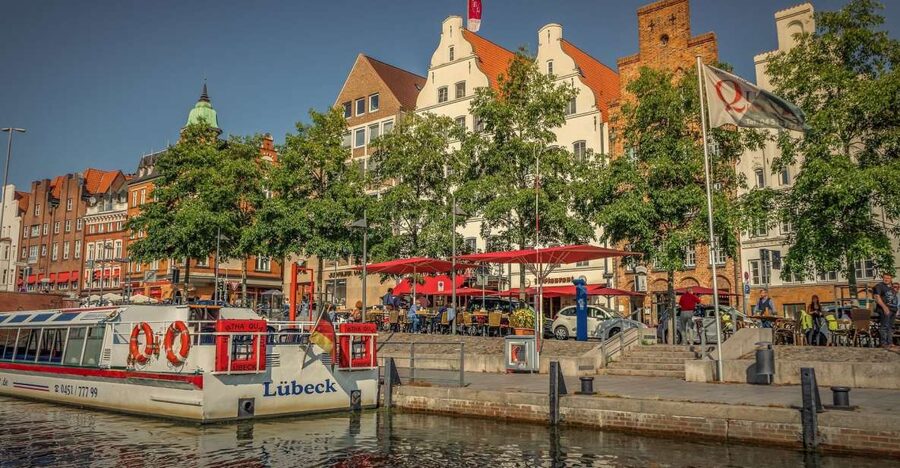
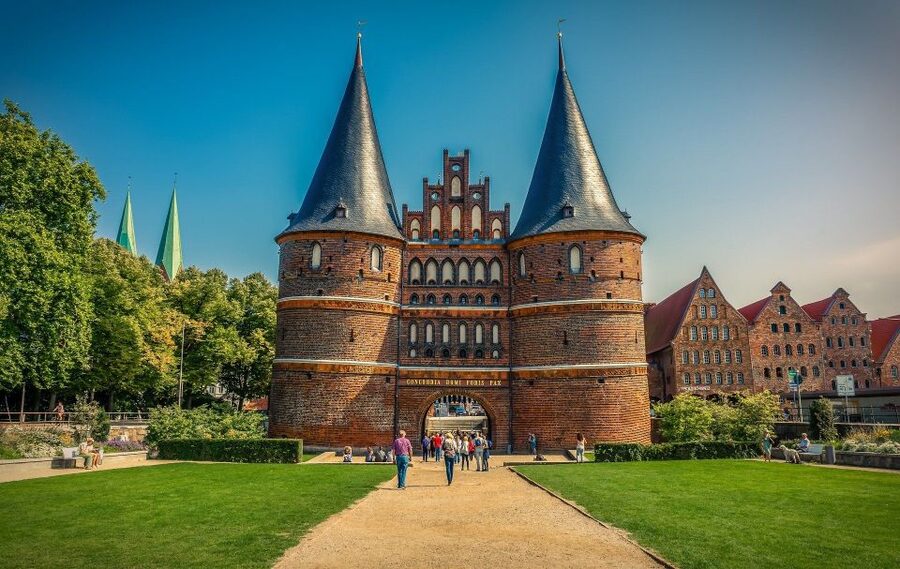
Lübeck’s Holsten Gate gives this tour a fine opening: a huge brick gateway that once announced the power of a Baltic trading city. From there, you follow cobbled streets to churches, merchant homes, the Mann family’s literary address, and a marzipan bakery. The mix of architecture, trade, food, and local stories makes the city easier to understand than a simple photo stop.
I like the private format, which gives your group a better chance to ask questions and set the pace. I also like the marzipan tasting, a small but tasty way to connect Lübeck’s commercial past with something you can actually eat.
The main drawback is the tight 90-minute schedule. You see many important places, but entry tickets are not included, and anyone with mobility limits may find the cobbles and walking route difficult. One practical tip: make sure your guide is easy to spot at the meeting point, since one recent booking specifically noted that the guide could have identified herself more clearly.
Key points at a glance
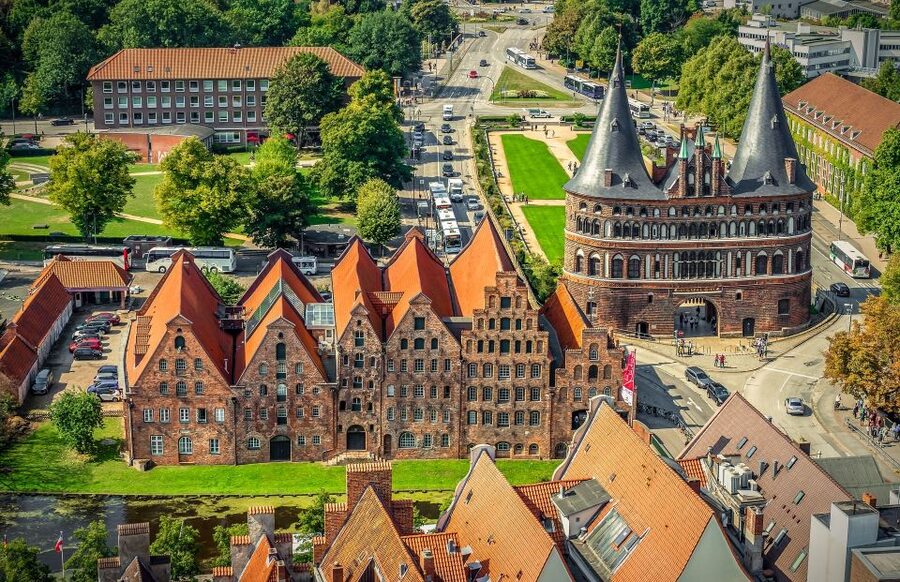
- Holsten Gate begins the story: See one of Lübeck’s last two surviving medieval city gates, built in 1464.
- Private groups up to 15: You get a personal guide rather than a large public group.
- Marzipan adds local flavor: Taste several varieties while learning why this sweet became closely tied to Lübeck.
- The Mann family connection: Visit Buddenbrook House, linked with writers Thomas and Heinrich Mann.
- Seven spires and merchant wealth: Hear how Baltic Sea trade shaped the churches, warehouses, and brick homes around the old center.
Starting beneath Lübeck’s Holsten Gate
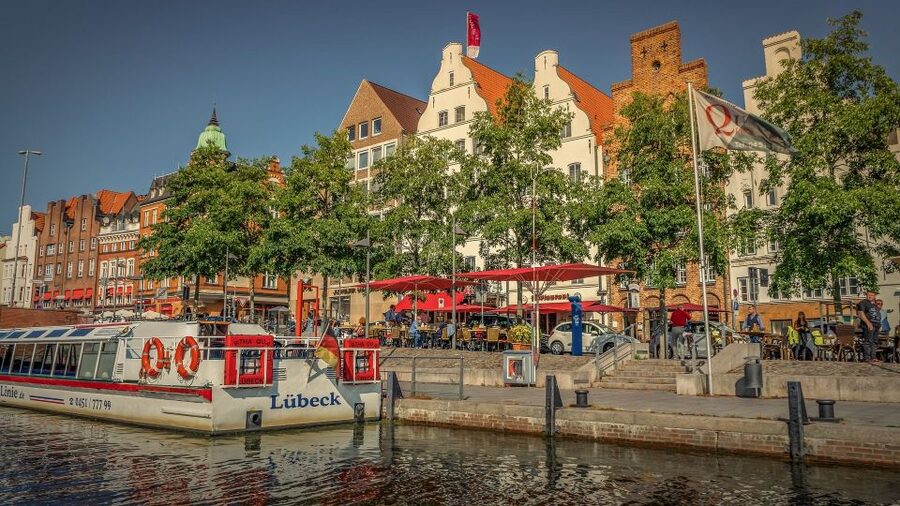
Meet your guide in front of the Holsten Gate, near Museum Holstentor. This is a useful starting point because the gate is both easy to recognize and central to Lübeck’s story.
Built in 1464, the Holsten Gate is one of the last surviving Gothic remains of the city’s medieval fortifications. Lübeck once had two main city gates, and only two remain today. The gate was not just a practical entrance. It also carried a message about the city’s independence and freedom.
Look closely at the building’s heavy brickwork and slightly imposing shape. Medieval defensive architecture was meant to make visitors think twice before entering. The gate’s design also introduces you to the local building material you will see throughout the walk: brick, used with great skill in churches, civic buildings, warehouses, and private homes.
A private guide can make this first stop more useful by explaining why Lübeck’s location mattered. The city grew through Baltic Sea trade, and its merchants connected northern Europe with important routes across the region. You are not simply looking at an old gate. You are looking at the front door of a city that became powerful through commerce.
The meeting point is outdoors, and the tour is on foot from the start. Wear comfortable shoes and clothing suited to the weather. The route includes cobbled streets, so sturdy footwear is more useful than stylish but flimsy shoes.
More Walking Tours in Germany:
- Düsseldorf: Guided City Architecture Walking Tour
★ 4.6 · 61 reviews - Potsdam: Guided Walking Tour of UNESCO Site and Architecture
★ 4.7 · 49 reviews - Private walking Tour: Berlin Architecture Tour
★ 5.0 · 14 reviews
Seeing the skyline from the old center
As you move farther into Lübeck, the views open toward the historic skyline. The city is known as the City of Seven Spires, and the tour gives you a chance to see five churches along with salt storehouses and old merchant residences.
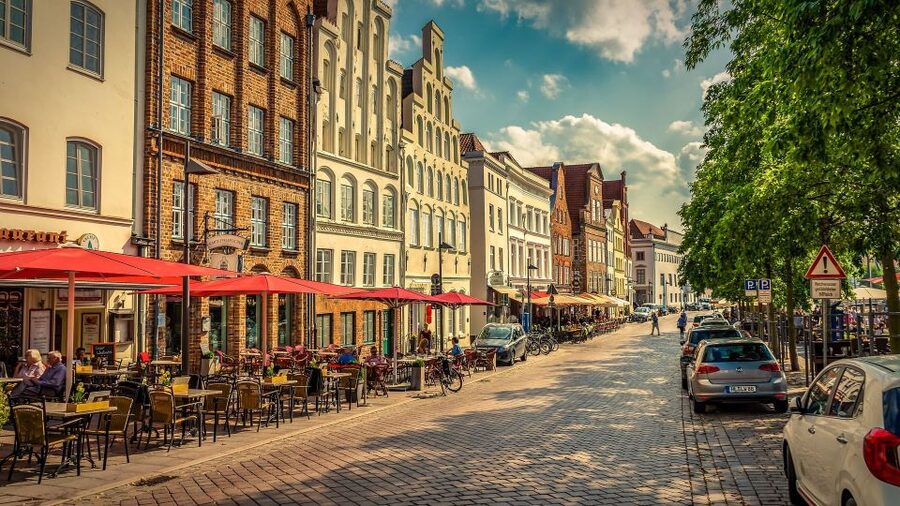
These views help explain Lübeck’s social order. The churches reflect the wealth and influence of the city’s religious institutions, while the large brick homes point to the fortunes made by merchants. Many of the luxurious homes mentioned on the walk date from the late 1700s, adding a later layer to the medieval core.
I find this part especially helpful for first-time visitors because Lübeck can initially look like a collection of attractive old buildings. The guide connects them to trade, money, and civic ambition. Once you understand who paid for these structures and why, the streets become easier to read.
The tour also introduces the city’s unusual architectural character. Lübeck’s brick Gothic style developed partly from the practical need to build in a region where stone was less readily available. Brick became more than a substitute. It became the defining material of the city center.
Because this is a 90-minute tour, you should expect explanations from the outside rather than a slow architectural study of every building. If you want to enter several churches, museums, or historic homes, plan extra time before or after the walk. Entry tickets are not included.
St. Mary’s Church and a small devil outside
St. Mary’s Church is one of the major stops. It is described as the third-largest brick Gothic church in Germany, so its scale gives you a strong sense of Lübeck’s former importance.
The church is tied closely to the merchants who helped shape the city. Its size and elaborate construction reflect the resources available to a prosperous trading center. Your guide explains the church’s history and shares the entertaining local story of a little devil found outside.
That devil is the sort of detail that makes a walking tour more memorable. Large churches can blur together after several days of sightseeing, but a local legend gives you a small image to carry away. It also shows how Lübeck’s old buildings are connected with stories that are less formal than dates and architectural labels.
You should check the exact arrangements if entering St. Mary’s is important to you. The tour information confirms a visit to the church area but also states that entry tickets are not included. The 90-minute schedule is designed mainly as a guided city walk, not as an extended church interior tour.
The church stop also helps balance the tour. Holsten Gate tells the story of defense and civic power. St. Mary’s adds religion, art, and merchant wealth. Together, the two sites show why Lübeck’s old center earned UNESCO World Heritage status.
Buddenbrook House and the Mann family
Buddenbrook House brings a literary note to the route. It is associated with Thomas Mann and Heinrich Mann, two important German writers from the Mann family.
The stop lets you connect Lübeck’s streets with German literature rather than seeing the city only through trade and architecture. The house is especially relevant if you have read Thomas Mann’s Buddenbrooks, a novel linked to a merchant family and Lübeck’s social world.
The tour does not treat the building as an isolated literary museum. Instead, it places Buddenbrook House within the old city, where merchant families, churches, and commercial institutions stood close together. That setting helps you understand how the city’s business culture became part of its literary identity.
Since entry tickets are not included, confirm what access is possible during your booking. You should think of this stop as a guided introduction to the building and its connection with the Mann brothers unless you have arranged admission separately.
For readers interested in literature, this may be one of the tour’s most distinctive features. Many city walks cover churches and town halls but leave out the people who turned local life into fiction. Here, the Mann connection gives Lübeck another layer.
More History Walks in Germany:
- Private Taxi Tour City East & West History and Architecture 3-4h
★ 5.0 · 42 reviews - Private Munich Tour for History Buffs with Architectural Gems and WWII sites
★ 5.0 · 3 reviews - Private Taxi Tour of City East History and Architecture 2-3h
★ 5.0 · 2 reviews - Chicago in a Day: Food, History & Architecture Walking Tour
★ 5.0 · 1,153 reviews
Marzipan, baked fresh and tied to trade
The marzipan stop is the tour’s most hands-on moment. At a traditional bakery, you taste different varieties of marzipan while learning about the sweet’s importance in Lübeck.
This is more than a quick snack. Food gives you a direct way to connect with the city’s trading past. Almond-based sweets were once associated with costly imported ingredients and skilled preparation. The exact story is part of what your guide explains, but the key point is clear: marzipan became closely tied to Lübeck’s identity and commerce.
You should expect a tasting rather than a full meal. If you have a sweet tooth, this will be a welcome pause in the walk. If you do not care for marzipan, it still offers useful cultural context and a chance to sample something strongly linked with the city.
The bakery stop also breaks up the architecture. Ninety minutes of churches, gates, and merchant houses can feel dense, especially for younger visitors. A taste test gives the group a change of pace and makes the history easier to remember.
Keep in mind that the information confirms a traditional marzipan bakery and tasting, but it does not promise a specific brand or list ingredients. If you have food allergies or dietary restrictions, ask about the samples before tasting them.
Lübeck Town Hall and the final view of civic power
The walk ends near Lübeck’s Town Hall, regarded as one of Germany’s most beautiful town halls and included within the city’s UNESCO World Heritage area.
This is a fitting final stop. The Holsten Gate introduces Lübeck as a guarded trading city, while the Town Hall shows how that city governed itself and displayed its success. Merchant wealth did not remain only in private homes. It also shaped public buildings and civic spaces.
Your guide can help you notice how the Town Hall fits into the surrounding center. The important point is not just its appearance. The building represents the city’s political and commercial life, bringing together the themes introduced throughout the walk.
The tour’s final location also leaves you in a useful part of central Lübeck, close to more sights and old streets. The activity details do not promise onward assistance or transport, so you should plan your next stop yourself. Still, finishing at the Town Hall gives you a natural place to continue exploring.
What the private format is worth
The price is $265 per group of up to 15 people. That is not a cheap individual walking tour, but the calculation changes if you are traveling with family or friends. A full group of 15 pays less than $18 per person, before any entry fees. A smaller group of two or three pays much more per person.
The real value is the private guide. You are not paying only for a route between famous buildings. You are paying for someone to explain how Lübeck’s Baltic trade, brick architecture, churches, merchant families, literature, and marzipan fit together.
A recent German-language booking praised the guide’s close knowledge of Lübeck, describing someone who seemed to know nearly every brick and could bring the city close to the group. Another booking praised the guide as friendly and competent. Those comments point to the strongest reason to choose this activity: the quality of the guide matters more here than the number of stops.
There is one small warning. A recent booking noted that the guide was not easy enough to recognize at the meeting point. Since you meet outside Holsten Gate, look for clear identification and arrive with enough time to avoid confusion.
The tour offers free cancellation up to 24 hours before the start, and you can reserve now and pay later. Those terms are useful if your Northern Germany plans are still shifting. The guide speaks English or German.
Who will enjoy this walk most
I would choose this tour for a first visit to Lübeck, especially if you want a quick orientation before exploring museums and interiors on your own. The route covers the city’s main symbols without requiring a full day.
It also suits families and mixed-interest groups. Architecture fans get Gothic brickwork and merchant homes. History-minded visitors get Baltic trade and medieval fortifications. Literature readers get Buddenbrook House. Food-focused visitors get marzipan.
The private format works well when your group wants to ask questions or avoid a large public tour. It is also useful for groups with different interests, since a guide can usually spend a little more time on the subjects that matter most to you, though the 90-minute limit still requires a brisk pace.
This is not the right choice if you need a wheelchair-accessible route or have significant mobility impairments. The activity specifically excludes wheelchair users and people with mobility impairments. Cobblestones and continuous walking make comfortable shoes important for everyone.
You should also reconsider it if you want long interior visits. Entry tickets are not included, and the schedule covers several major places in a short period. For a focused city introduction, that is a strength. For a museum-heavy outing, it is a limitation.
Should you book the Lübeck walking tour?
Book it if you want a private, efficient introduction to Lübeck that connects buildings with trade, writers, and food. The best parts are the guide-led explanation of the city’s brick architecture, the personal connection with Buddenbrook House, and the marzipan tasting.
The $265 price makes the most sense for a larger group. With only two people, you should compare it with a shared walking tour if available. With family or friends, the cost becomes easier to justify, especially since you get a private guide and a route through several of Lübeck’s signature sights.
Allow extra time for any interiors you want to visit, and arrive at Holsten Gate prepared to identify your guide. If you can manage the walking and want context rather than a list of photo stops, this is a sensible way to get your bearings in Lübeck.
FAQ
Where does the Lübeck walking tour meet?
Meet your guide in front of the Holsten Gate near Museum Holstentor.
How long does the tour last?
The tour lasts 90 minutes.
How much does the private tour cost?
The price is $265 per private group of up to 15 people.
What languages does the guide speak?
The live guide speaks English or German.
Are entry tickets included?
No. Entry tickets are not included in the tour price.
Is the tour suitable for wheelchair users?
No. The activity is not suitable for wheelchair users or people with mobility impairments.
Can I cancel the booking for a refund?
Yes. You can cancel up to 24 hours in advance for a full refund. You can also reserve now and pay later.
Newly added in Germany
- Hidden Architectural Gems of Munich (Max. 16 guests)★ 5.0 · 2 reviews
- Munich Your Way: Private Tour with Architect & Guide★ 5.0 · 2 reviews
- Architectural Frankfurt: Private Tour with a Local Expert★ 5.0 · 2 reviews
- Berlin Architecture/River Spree Full Day Photography Tour★ 5.0 · 2 reviews
- Private Taxi Tour of City East History and Architecture 2-3h★ 5.0 · 2 reviews
- Architectural Berlin: Private Tour with a Local Expert★ 4.0 · 3 reviews
- Lübeck: Architecture and Local Craft Private Guided Tour★ 4.0 · 6 reviews
- Dessau: Radtour Bauhaus – Junkers – Gartenreich★ 5.0 · 2 reviews
Walking Tours, compared.
The Official Art Deco Walking Tour by The Miami Design Preservation League
Read our review →
Baroque Architecture and Underground Walking Tour
Read our review →
Chicago in a Day: Food, History & Architecture Walking Tour
Read our review →

Ramblas, Old Town, Gothic and Gaudi Architecture Walking Tour
Read our review →
Chicago’s Secret Interiors Architectural Walking Tour
Read our review →
Browse the lists this tour appears in