
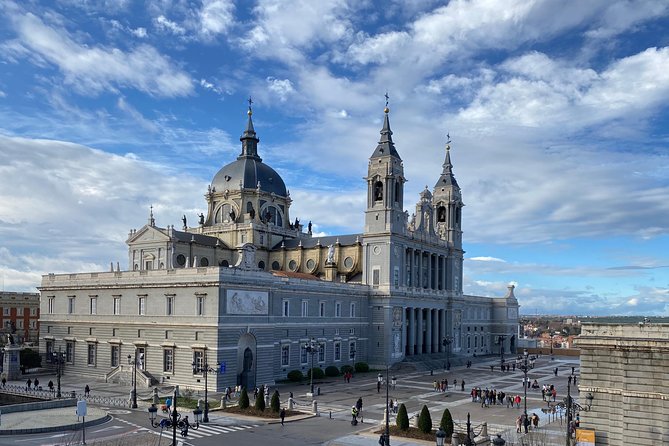
Review · HISTORICAL TOURS
Madrid Historic with an architect : Arabs, Austrias and Bourbons
Madrid’s old center reads like a city built in layers. On this private walking tour with architect Emilio, you move from the medieval Arab Wall to Habsburg squares and Bourbon landmarks, using plans and old photographs to see how Madrid changed over 12 centuries.
I like two things here: the route links major sights with small, easily missed corners, including the remains of San Juan Church and Madrid’s oldest church; and the guide explains not just what a building looks like, but why its form changed. The trade-off is that this is a history-heavy walk, so it may feel less like a standard architecture tour if you want a close study of façades and construction details alone.
Key points to know before booking
- A private route with an architect: Only your group takes part, and Emilio leads the walk in English.
- Twelve stops in the old center: The route connects the Royal Palace, Arab Wall, Plaza de la Villa, Plaza Mayor, and Puerta del Sol.
- Plans and historic photographs: These help you picture streets and buildings as they looked in earlier periods.
- No palace interior visit: You examine the Royal Palace from outside, but admission inside is not included.
- A three-hour-plus city walk: The advertised duration is about three to three and a half hours, with time for questions and possibly a coffee pause.
- Strong early booking pattern: The experience is booked an average of 63 days ahead, so popular dates may need planning.
Madrid’s story begins at Teatro Real
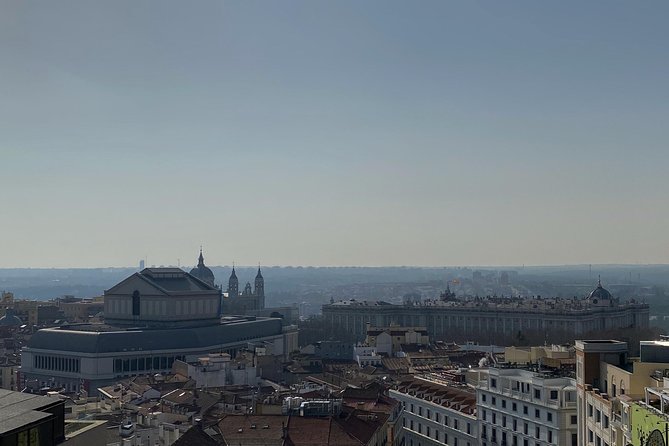
The meeting point is at Plaza de Isabel II, beside Teatro Real. That is a useful place to begin because the opera house gives you an immediate lesson in Madrid’s changing ambitions. You spend about 10 minutes looking at the building and hearing how its role developed as the city grew around the royal court.
This opening is short, but it sets the tone. You are not simply ticking off a famous building. You are learning how public architecture reflects power, taste, money, and urban planning.
From there, the walk continues to Plaza de Oriente. The square is a good bridge between the opera house and the palace, since its shape and location make more sense when you consider the relationship between royal buildings, open space, and the old city.
The discussion here reaches back to Arab Madrid and then follows the square’s development into the present day. The stop lasts about 10 minutes, so expect an explanation of the urban plan rather than a long pause for photographs.
More History Walks in Spain:
- Historical and Modernist Bike Tour Barcelona
★ 5.0 · 262 reviews - Bike Tour in Barcelona: History, Architecture and Culture
★ 3.5 · 29 reviews - Bilbao: Historical and Architectural Walking Tour
★ 3.6 · 17 reviews
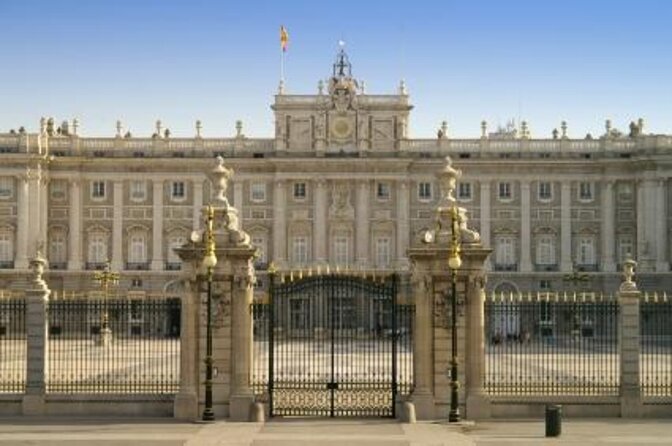
Reading the Royal Palace from the outside
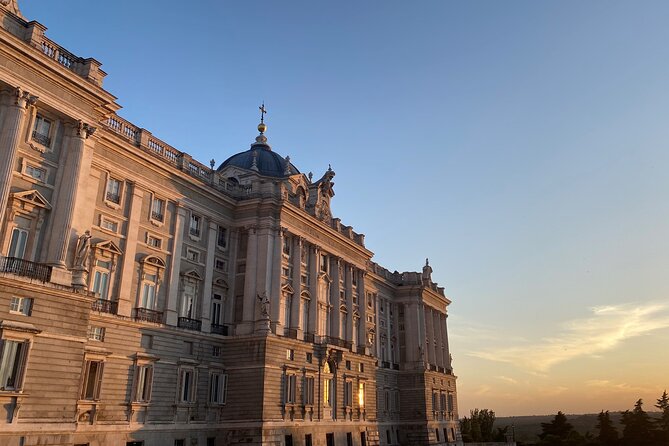
The Royal Palace is the major architectural stop, even though you do not go inside. You examine its different façades while Emilio explains the architects and monarchs involved in the project.
That outside view is valuable if you want to understand the palace as part of Madrid’s city plan. The focus is not on rooms, paintings, or royal collections. Instead, you look at how the palace presents authority to the city and how its appearance changed through different stages of construction.
The practical point is simple: palace admission is not included. If entering the building is important to you, plan a separate visit. This tour gives you context for the exterior, but it does not replace an interior ticket.
The pace also matters. Each listed stop is brief, often around 10 minutes. You will cover a lot of ground and get a broad picture rather than a long architectural lecture at one site.
Plaza de Ramales and the church remains
At Plaza de Ramales, the route becomes more intimate. You see the remains of San Juan Church, where the painter Velázquez was buried, along with the Church of Santiago.
This is the kind of stop that can disappear in a busy sightseeing day. A small square may not announce its full importance, but the ruins connect the modern street to Madrid’s religious and artistic past. The point is not simply that an old church once stood there. It is that Madrid’s present layout contains traces of buildings and people that shaped the city.
You then visit the Real Iglesia Parroquial de Santiago y San Juan Bautista. The stop is short, about five minutes, and focuses on the church’s dedication to the apostle Santiago.
Do not expect a long church visit at this stage. The route keeps moving, and the value comes from the connections between the places rather than from spending half an hour inside each one.
San Nicolás and Madrid’s early building traditions
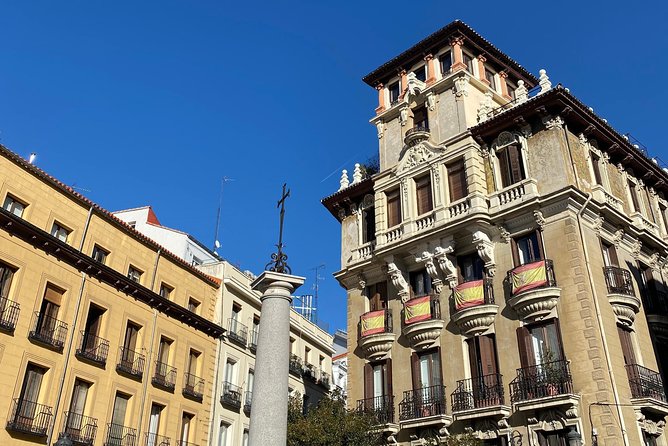
The Church of St. Nicholas of the Servitas is one of the most unusual points on the walk. It is presented as the oldest church in Madrid, with a Mudéjar tower marked by horseshoe arches.
This is where the title’s Arab influence becomes concrete. The tower shows how architectural traditions associated with Islamic Spain continued within Christian Madrid. Its form gives you something visual to remember, rather than leaving the early history as a list of dates.
The stop lasts about five minutes, so the guide’s explanation matters. Emilio uses architectural details to connect the tower to Madrid’s early development. You will want to pay attention, since this is a compact stop and not an extended building visit.
A few more architecture walks in Spain worth a look
- Barcelona: Sant Pau Recinte Modernista Entry Ticket
★ 4.6 · 2,567 reviews - Barcelona: Sagrada Familia, Modernism, and Old Town Tour
★ 4.7 · 1,621 reviews - Ramblas, Old Town, Gothic and Gaudi Architecture Walking Tour
★ 5.0 · 723 reviews - Valencia: Art & Architecture Guided Tour with Monuments Tickets
★ 5.0 · 255 reviews
La Almudena and the city’s changing skyline
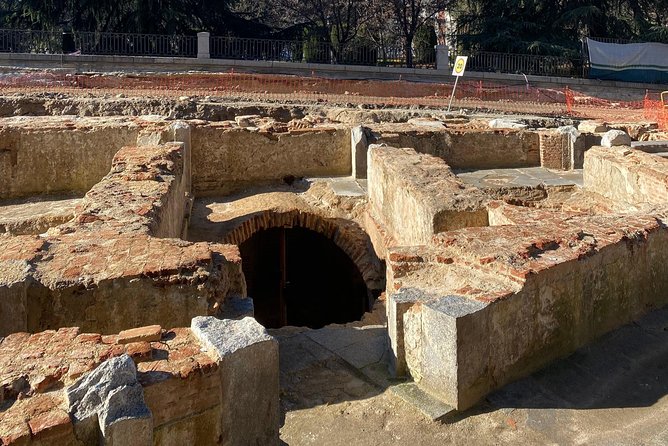
At the Museo de la Catedral de la Almudena, you view the cathedral from outside and hear about its history. The description refers to a seaview, which appears to mean a view of the cathedral rather than a view of the sea. Either way, this is an exterior explanation, not a museum admission or full cathedral tour.
La Almudena helps show how Madrid’s religious architecture continued to evolve after the medieval period. It also gives the walk a useful change of scale. Earlier stops focus on towers, church remains, and old urban fragments. Here, you consider a much larger religious complex and its place in the city.
The planned stop is only about five minutes. If you want a detailed look at the cathedral interior or museum collections, this experience is not designed for that. Its purpose is to place the building within Madrid’s longer story.
The Arab Wall, a small surviving piece of early Madrid
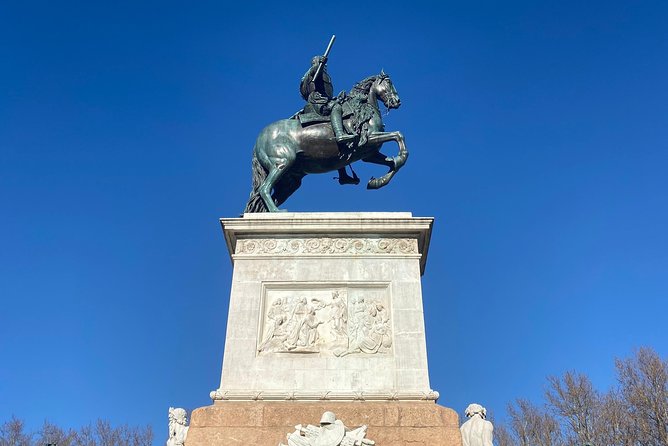
The Arab Wall is one of the most important stops for understanding Madrid’s origin. You see surviving sections of the ninth-century walls, described as the only remains of the old Arab fortifications.
This is not a grand monument on the scale of the Royal Palace. Its value lies in what it tells you about the city before Madrid became a royal capital. The wall marks an early fortified settlement and gives the tour a physical link to the beginning of the city’s story.
The stop lasts around 10 minutes. That is enough for a focused explanation, but not for an archaeological visit or a long exploration of the surrounding area. I like this part of the route because it keeps Madrid’s origins from being overshadowed by later royal architecture.
Plaza de la Villa and the old civic center
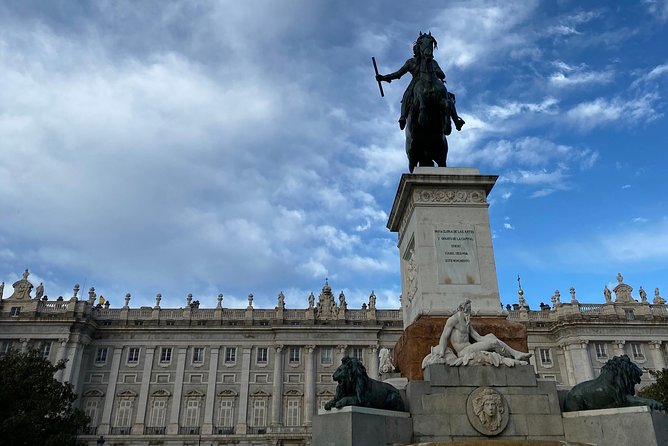
Plaza de la Villa brings the focus from religion and monarchy to local government. You see the old City Hall and the buildings around the square, including Casa de Cisneros and Casa de los Lujanes.
This is one of the strongest places to watch Madrid’s architectural variety gather in a small space. The buildings represent different periods and functions, yet they sit together around an old civic square. Emilio’s use of plans and historic photographs is especially useful here because you can compare the present arrangement with earlier versions of the city.
The stop is scheduled for about 10 minutes. That gives you time to take in the square and hear how its buildings fit into Madrid’s growth, though anyone wanting detailed interiors will need a separate visit.
A pause at San Miguel Market
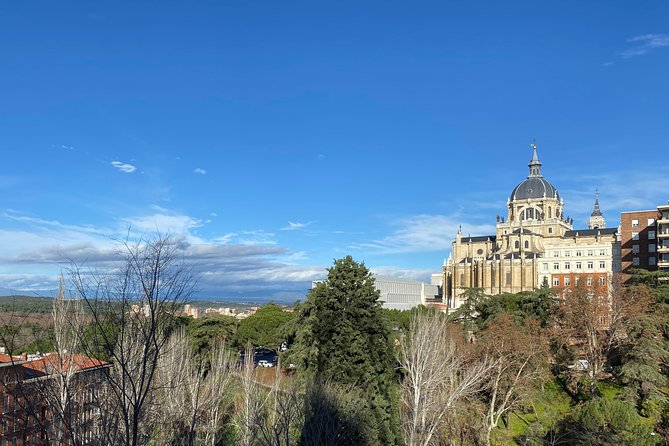
Mercado de San Miguel provides a welcome change of rhythm. Its steel structure makes it different from the masonry churches and royal buildings seen earlier, and it remains one of Madrid’s best-known market spaces.
The listed stop is about 10 minutes, with the option to have a drink or tapas. Treat this as a possible pause, not a full meal. Ten minutes is enough for a quick look or a small bite, but you should not expect time to sample the whole market.
A coffee break can also help on a long walking route. One person who left the walk early found the cold difficult, while the guide offered the option of going somewhere warm for coffee. That detail tells you something practical: Madrid weather can affect the experience, and a flexible guide may adjust the pace or add a warm stop.
Plaza Mayor, Madrid’s great public room
Plaza Mayor is the natural climax of the historic-center portion of the route. For about 10 minutes, you learn how this square served as Madrid’s social and commercial center for roughly four centuries and how it reflects the Castilian model of a formal central plaza.
The square is easy to admire quickly, but its shape makes more sense when you know how it functioned. It was not built simply as a pretty open space. It was a place for commerce, public life, and major civic events.
This is also a good point to pause and look back at the route. You have moved from an opera house and royal spaces through medieval churches, the Arab Wall, an old civic square, and a steel market. Plaza Mayor gathers several parts of Madrid’s identity in one broad public room.
The stated end point is Plaza Mayor, but the route also lists Puerta del Sol as its final stop. That is worth confirming before you set out, especially if you have a timed reservation or need to meet transportation at a particular place.
Puerta del Sol and Kilometer 0
The final listed stop is Puerta del Sol, where you see Kilometer 0. This is a short five-minute finish and brings the walk into modern Madrid’s central meeting point.
Puerta del Sol works well as an endpoint because it is a practical place to continue exploring. The experience ends with a marker of Spain’s road network, after beginning with Madrid’s royal and architectural core.
If your booking documents name Plaza Mayor as the endpoint, ask the provider to clarify the exact finish. The two places are close in the historic center, but knowing where the guide plans to leave you makes the end of a long walk easier to manage.
What the architect-led format adds
The main strength of this experience is the way it links buildings to urban change. Emilio uses plans and old photographs to show how Madrid developed in different periods. That can be far more useful than hearing isolated facts at twelve separate stops.
You should also expect history, politics, and social context along with architectural description. One critical response found the history stronger than the architecture, and that is a fair warning for anyone expecting a technical study of façades, materials, or structural systems at every stop.
At the same time, the historical context is part of what makes the architecture understandable. A church tower, palace façade, or public square does not explain itself. You need to know who commissioned it, what Madrid was becoming, and how earlier buildings affected later growth.
The guide has also been described as funny, kind, and attentive to the group’s comfort. Several accounts single out Emilio’s depth, personal approach, and ability to connect present-day Madrid with its earlier forms. One professional visitor felt the walk covered more in several hours than they might have learned alone in a week, though that kind of result depends on your interest and how actively you ask questions.
Time, price, and practical value
The price is $65.89 per person for roughly three to three and a half hours. Since this is a private activity, the value depends heavily on how many people are in your group. For one or two people, it is a substantial spend. For a small group sharing the experience, the cost becomes easier to justify, especially since group discounts are available.
You are paying for a local architect’s time, a tailored conversation, historical plans, old photographs, and a route that covers a large part of the old center. You are not paying for palace admission, museum tickets, food, or tips.
I would compare this with the cost of taking several separate sightseeing walks. The tour makes the most sense if you care about how Madrid was built and changed, rather than simply wanting a quick orientation. If you prefer to enter monuments and spend long periods inside them, you will need to add those visits yourself.
The route is offered in English and uses a mobile ticket. It begins near Plaza de Isabel II and public transportation, and service animals are allowed. Most people can participate, but remember that the experience lasts several hours on foot and includes outdoor stops.
Free cancellation is available up to 24 hours before the start time. If bad weather or too few bookings cancel the activity, you can choose another date or receive a full refund. Madrid’s weather can change the feel of the walk, so a forecast check is sensible.
Who should book this Madrid walk?
I would choose this tour if you want a guided explanation of Madrid’s old center rather than a checklist of famous addresses. It suits you especially well if you like architecture, urban history, royal buildings, medieval remains, and the way political change appears in city streets.
It is also a good choice for a first visit when you want a strong framework for later exploring. After the walk, the Royal Palace, Plaza Mayor, Arab Wall, and older churches should make more sense as parts of one city, not as unrelated stops.
I would hesitate if your top priority is entering the Royal Palace, touring La Almudena’s interior, or spending a long time inside each church and museum. I would also think twice if you want a purely technical architecture lesson with little historical discussion.
FAQ
How long does the Madrid Historic with an architect tour last?
The experience lasts approximately three to three and a half hours.
Where does the tour begin?
It begins at Plaza de Isabel II, 4, in Madrid’s Centro district.
Where does the tour finish?
The stated end point is Plaza Mayor, but the route also lists Puerta del Sol and Kilometer 0 as the final stop. Confirm the exact finishing point when booking.
Is the Royal Palace interior included?
No. You view and discuss the Royal Palace from outside, but interior admission is not included.
Is this a private tour?
Yes. Only your group participates in the activity.
What is the cancellation policy?
You can cancel at least 24 hours before the start time for a full refund. Poor weather or failure to meet the minimum number of participants may also lead to a different date or a full refund.
Should you book it?
Book this walk if you want Madrid explained through its buildings, streets, rulers, churches, and surviving medieval traces. The architect-led format, historic images, and private setting give you more room for questions than a large group tour.
Skip it if you mainly want interior visits or a fast photo stop at the major monuments. For the right audience, though, $65.89 buys a useful three-hour reading of Madrid, from its ninth-century wall to the modern center at Puerta del Sol.
Newly added in Spain
- Barcelona: Private Gaudi Guided Segway Tour★ 5.0 · 6 reviews
- Barcelona: Guided tour e-bike Barcelona historical and modernist Barcelona★ 4.5 · 5 reviews
- Barcelona: Wonders of Gaudi Bike Tour★ 4.3 · 6 reviews
- Barcelona: Exclusive Exploration of Gaudi’s Masterpieces★ 5.0 · 2 reviews
- Barcelona: Gaudi Tapas & Wine Tasting Small Group Tour★ 5.0 · 3 reviews
- Barcelona: E-Scooter Gaudí & the Sea Tour★ 4.3 · 10 reviews
- Barcelona Architecture Walking Tour With Casa Batlló Upgrade★ 4.8 · 11 reviews
- Barcelona Beyond Gaudí: Modernism, Rooftops, and Hidden Gems★ 5.0 · 2 reviews
Historical Tours, compared.
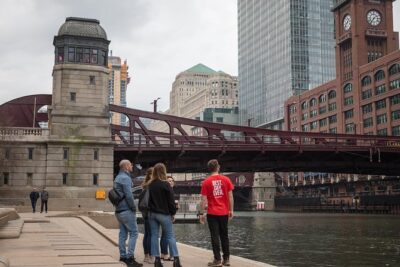
Chicago in a Day: Food, History & Architecture Walking Tour
Read our review →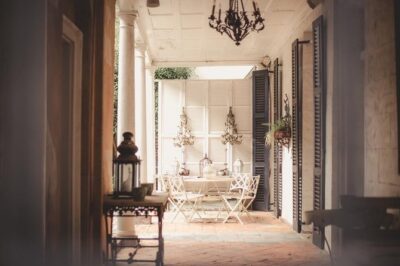
Charleston’s Best Highlights: History, Culture & Architecture
Read our review →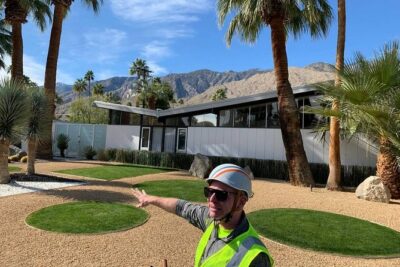
Palm Springs Modernism Architecture & History Bike Tour
Read our review →
Historic Georgetown: History, Gossip, & Architecture Walking Tour
Read our review →
Charleston History, Homes, and Architecture Guided Walking Tour
Read our review →

Historical and Architectural Chicago Fireboat River & Lake Cruise
Read our review →Browse the lists this tour appears in