
Review · BAUHAUS AND BRUTALIST ARCHITECTURE TOURS
Brutalist Tbilisi: Urban exploration and untold stories
Tbilisi is famous for balconies, sulfur baths, and hilltop views. This tour takes you somewhere else entirely: to towering Soviet buildings, abandoned sites, and monumental public spaces that most visitors would never reach on foot. You ride in a comfortable car, with stops at the Ministry of Highways, Nutsubidze Skybridge, the old cable car, and the Chronicle of Georgia.
I like two things right away. First, the route links architecture with ordinary life, so you hear how people used these places, not just when they were built. Second, guides such as Khatuna, Jonah, Alex, and Oksana bring humor and personal insight to a subject that can otherwise feel cold and technical. The main drawback is simple: this is not a polished postcard tour. Some stops are abandoned, neglected, or emotionally heavy, and traffic can push the four-hour schedule longer.
Key points at a glance
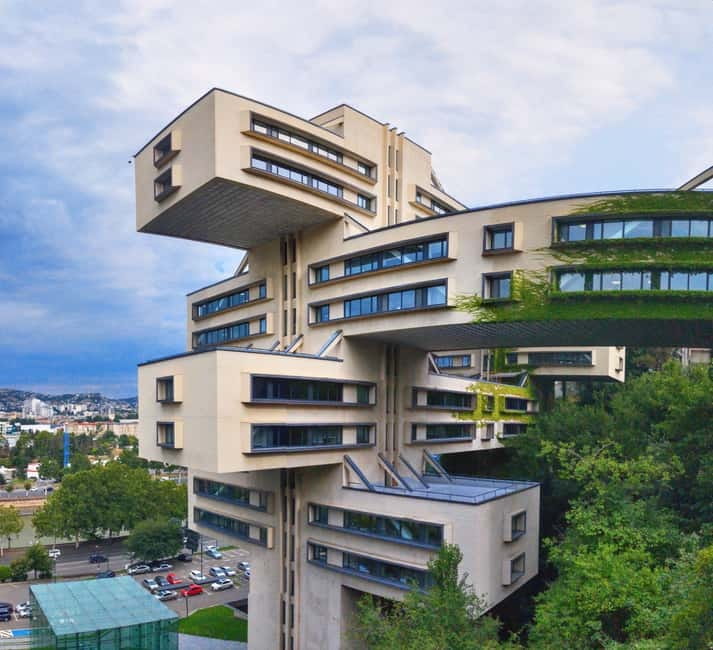
- The Ministry of Highways is the architectural headline: See one of Eastern Europe’s most famous Brutalist structures from close range.
- The Nutsubidze Skybridge feels like science fiction: A 1970s housing complex connects high-rise blocks with suspended bridges.
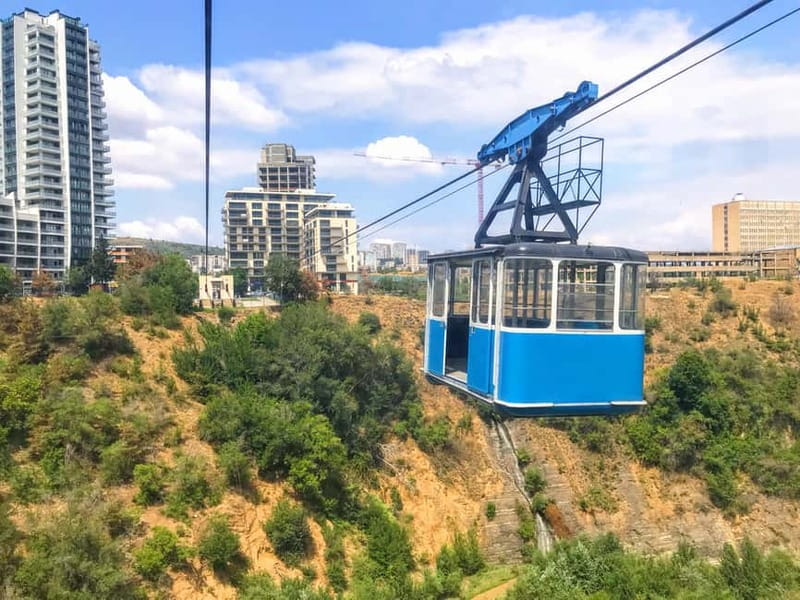
- The old Bagebi cable car adds a moving piece of Soviet history: You do not just look at the past, you ride through it.
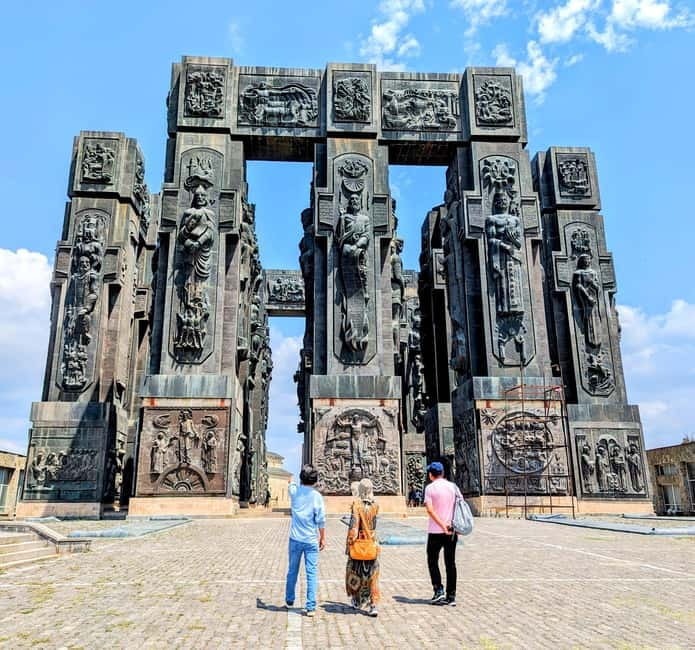
- The Chronicle of Georgia gives you a huge view: Monumental columns and figures rise above the Tbilisi Sea.
- The car-based route covers far more ground: You avoid long walks between scattered sites and spend more time seeing the city.
- Your fee has a social purpose: Part of the payment supports internally displaced people in Georgia.
Why this is not a standard Tbilisi sightseeing tour
Tbilisi can be an easy city to photograph and a harder city to understand. Its old town is attractive, but it tells only one part of the story. This four-hour tour points your attention toward the Soviet period, modernist planning, large apartment blocks, and public buildings built to project confidence in the future.
You will see a city of concrete, exposed structure, monumental sculpture, and practical housing. Some buildings were designed to impress. Others were designed simply to move people, house families, or serve public institutions. The guide connects those aims with the lives of people who used the buildings every day.
That human angle is the reason this tour works. The architecture is striking, but the useful detail is often smaller: how residents moved through a housing complex, what a public building meant during the Soviet era, or how a grand project is viewed in Georgia today.
The tour is private, conducted in English or Russian, and includes transport between sites. That matters in Tbilisi, where the best examples are spread across different districts and hills. You can see much more than you would by walking from the old town, and you are not spending half the afternoon trying to locate buildings behind ordinary streets.
More Bauhaus and Brutalist Tours in the world:
- London: Brutalist Architecture & History Walking Tour
★ 4.8 · 42 reviews - Le Corbusier’s Chandigarh : A Complete Architecture Tour
★ 4.7 · 25 reviews - Architecture of New Belgrade – Brutalism Decoded
★ 4.5 · 24 reviews
Starting with student life and the Bagebi cable road
The first part of the route includes a stop in Tbilisi’s student district, known in the tour schedule as the City of Students. You get time for photos and a guided explanation, with about 45 minutes set aside here.
This is a useful opening because it places Soviet and modern public architecture in a living setting. You are not looking only at monuments preserved for visitors. You are seeing a part of the city linked to education, housing, and everyday activity.
Next comes the Bagebi Cable Road. The visit includes a ride on the old cable car and lasts about 25 minutes. This is one of the more unusual parts of the day. Many architecture tours keep you on the ground and point upward. Here, you experience a piece of the transport system directly.
The cable car ride also helps explain Tbilisi’s geography. The city spreads across steep slopes and separated districts, so elevated transport was not merely decorative. It helped connect communities across difficult ground. Bring your camera, but pay attention to the ride itself. It is a rare chance to encounter the city’s Soviet past as working infrastructure rather than as a museum display.
Nutsubidze Skybridge and the practical side of Brutalism
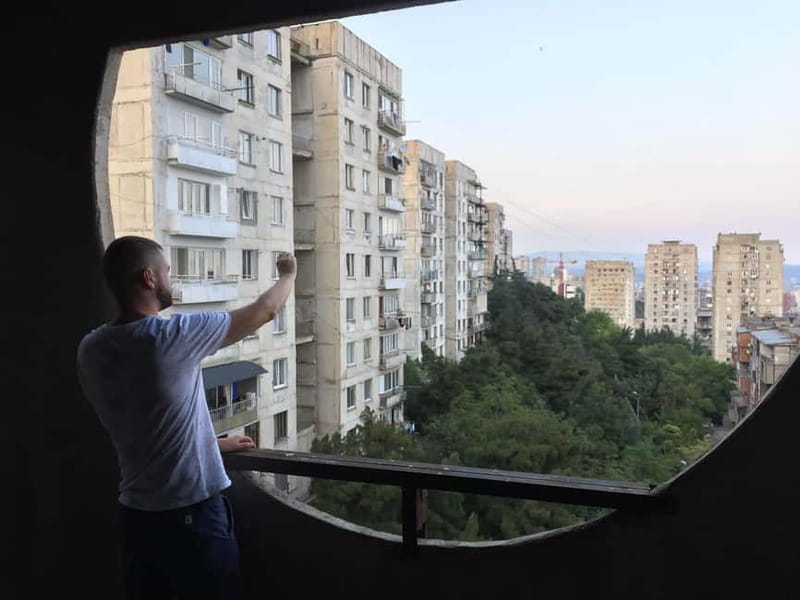
The Nutsubidze Skybridge is one of the tour’s most memorable stops. Allow around 40 minutes for the visit, explanation, sightseeing, and views along the way.
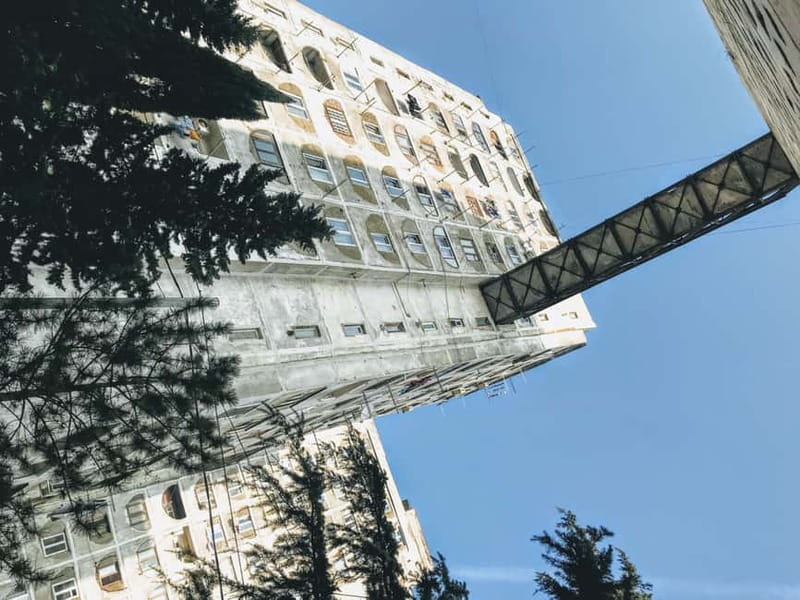
This 1970s residential complex is known for suspended bridges linking apartment blocks high above the ground. The sight is dramatic, but the design had a practical purpose. The bridges allowed residents to move between buildings and levels without returning to street level each time.
You should expect a lived-in residential setting, not a spotless architectural exhibit. That is part of its value. The complex shows how ambitious design was folded into ordinary housing. Concrete forms that look strange or futuristic in photographs were once part of the daily routine for families living there.
This stop may involve uneven surfaces or short stretches of walking. Comfortable shoes are a sensible choice throughout the tour. People who are uneasy with heights should also think carefully before booking, since the skybridges and elevated views are central to the experience.
The Ministry of Highways and Bank of Georgia
The Ministry of Highways of the Georgian SSR is the architectural star of the route. Its stacked, interlocking concrete forms make it one of the most recognizable Brutalist buildings in Eastern Europe.
The building looks almost weightless, despite its heavy material. Large sections appear to float above one another, creating deep shadows and unusual angles. A guide can help you notice the engineering and composition instead of reducing the stop to a quick photo.
The site also raises a useful question: what was Soviet architecture trying to communicate? Government buildings were not only workplaces. They could suggest progress, technical skill, and a future shaped by the state. In Tbilisi, those messages now sit within a very different political and social setting.
The tour also includes a visit to the Bank of Georgia building, with about 20 minutes for sightseeing and explanation. Its form belongs to the same broad conversation about bold modern architecture, though the building has its own identity and later life.
This pairing works well. You see how monumental design served public administration and finance, then hear how buildings can outlive the political systems that created them. The guide will likely spend more time on the visual details than you could manage alone, and the short stop keeps the schedule moving.
Same city, a different facade:
- Chicago Architecture River Cruise
★ 5.0 · 15,756 reviews - Chicago River 90-Minute Architecture Tour
★ 4.5 · 9,629 reviews - Chicago River: 1.5-Hour Guided Architecture Cruise
★ 4.8 · 8,046 reviews - Chicago Architecture Center River Cruise aboard First Lady
★ 5.0 · 5,536 reviews
A local bakery break
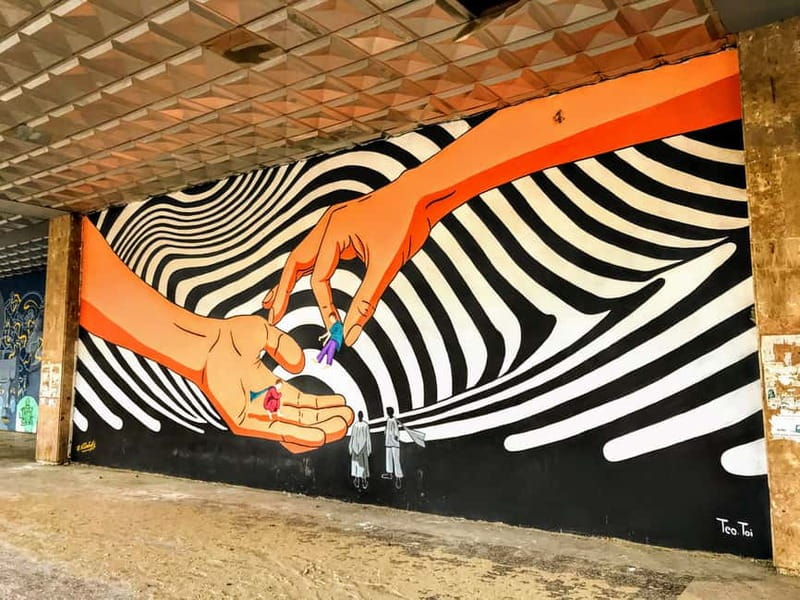
A 15-minute stop at a local bakery gives the tour a welcome change of pace. You can try a local snack or street food rather than spending the entire half-day looking at concrete.
Lunch is not included, so this is best treated as a quick taste, not a full meal. If you need a substantial lunch, plan to eat before or after the tour. The bakery stop is valuable for another reason: it places the grand architecture beside ordinary Georgian food and daily commerce.
Several guides have also offered food suggestions during the tour. Khatuna, for example, has been praised for recommending places to try Georgian dishes and chimney cake. Food advice is not the main purpose of the excursion, but it can help you plan the rest of your time in Tbilisi.
The abandoned archaeology museum and the city’s darker stories
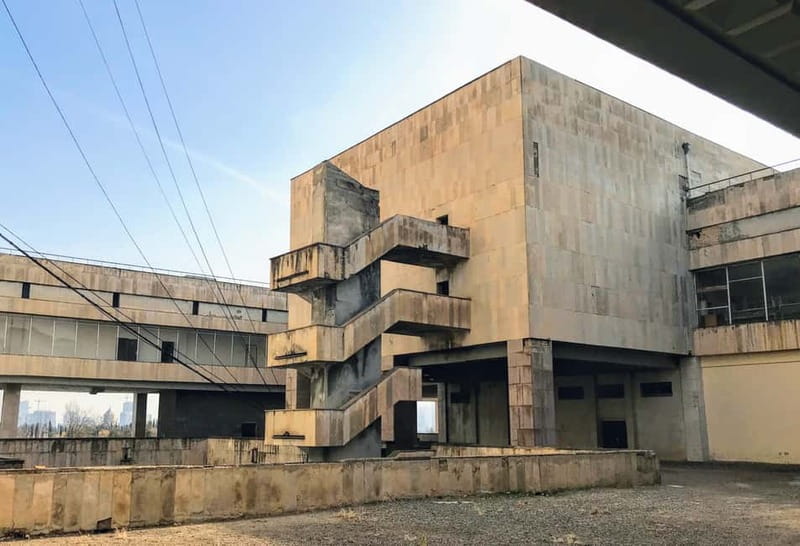
The route includes the former Museum of Archaeology, a modernist building that is now abandoned. It is one of the places that gives the tour its raw edge.
An abandoned public building can be more revealing than a restored monument. You see what happens when an institution loses its role, while the physical structure remains. The former museum is still powerful in shape and scale, but its neglected condition changes the mood.
The tour also addresses the site known as Suicide Bridge. This is not a lighthearted photo stop. Its name points to a painful part of the city’s past, and your guide explains the human story rather than treating it as a curiosity.
I would not recommend booking this tour if you want only cheerful sightseeing. The abandoned buildings and difficult subjects are part of its purpose. For many people, they make the tour more honest, but you should know the tone before you go.
The route can include additional guided and photo stops, and the exact order may change. Weather, traffic, and conditions at individual sites can affect what you see. That flexibility is reasonable for an urban exploration tour, but do not expect a tightly timed procession where every minute unfolds exactly as printed.
The Chronicle of Georgia above the Tbilisi Sea
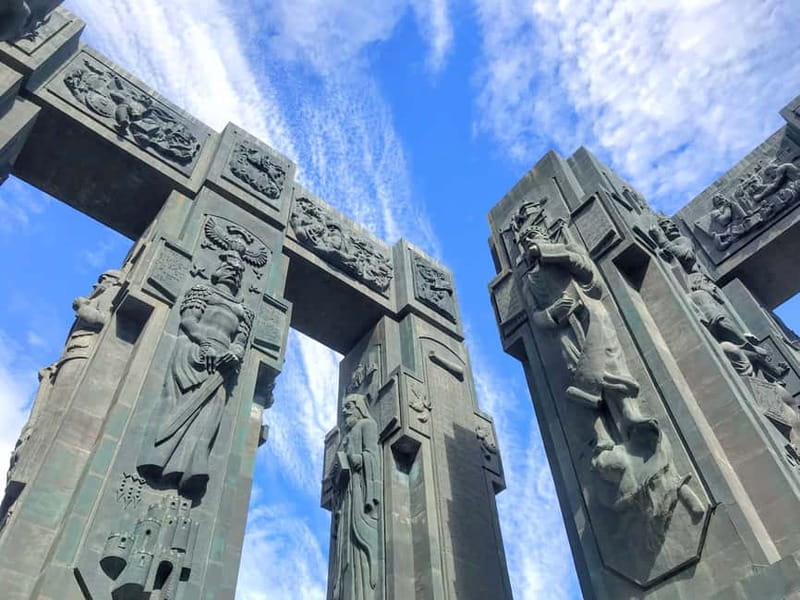
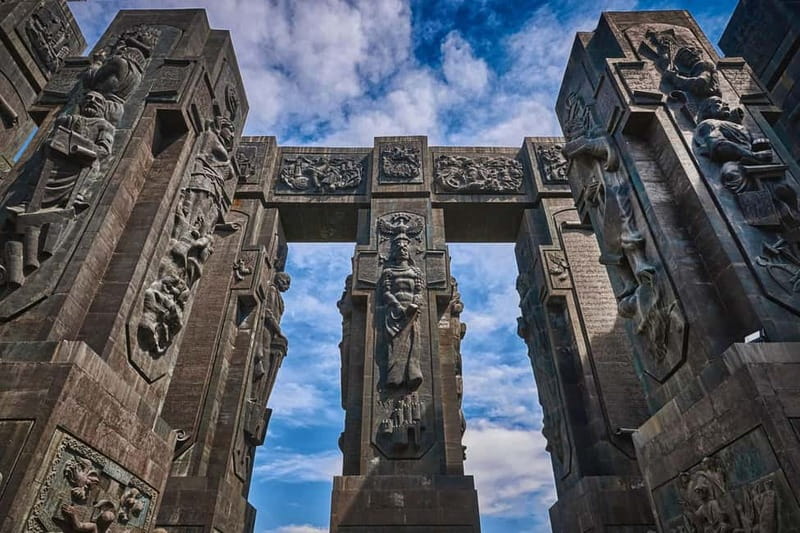
The Chronicle of Georgia is the grand finale. Often called the Georgian Stonehenge, this monumental site rises above the Tbilisi Sea and offers one of the strongest views of the day.
The enormous columns and carved figures are difficult to grasp in a quick photograph. You need time to walk around, look up, and consider the scale. The tour allows about 45 minutes, including guided explanation and free time.
This is where the route shifts from Soviet urban design to national symbolism. The monument speaks to Georgia’s identity and historical memory, using size and stone to create a powerful public statement. Your guide can explain the imagery and place it beside the other buildings you have seen.
The high position also gives you a broad view over the water and surrounding city. If the weather is clear, this may be the best photo stop of the day. Wind and exposure can make it feel cooler than central Tbilisi, so carry a light layer even in warmer weather.
What the guides add to the buildings
The strongest part of this tour is the guiding. Names that appear repeatedly in the experience include Khatuna, Khatuma, Jonah, Alex, Alexo, Oksana, Aleksi, and Khato. The exact guide depends on the date and language, but the feedback points to a consistent strength: clear explanations, good conversation, and a willingness to answer questions.
Khatuna is especially associated with detailed discussions of architecture, Soviet history, and Georgian culture. Jonah has been praised for a pleasant, professional approach and strong explanations. Alex and Alexo have taken people to unusual places beyond the normal tourist circuit, while Oksana has been noted for her enthusiasm and broad knowledge of Georgia.
You should ask questions. This is not a tour where you need to remain silent while facts are recited. Ask how a building was used, what local people think of it, or how Georgia’s Soviet past is remembered today. The guides have also adjusted the experience for private groups, including an extra look at the Palace of Rituals when requested.
The social purpose adds weight to the booking. Part of your fee supports internally displaced people, so the tour connects architecture with a current Georgian concern rather than treating the Soviet period as a sealed-off chapter.
Is $75 per person good value?
At $75 per person, this is not the cheapest way to spend four hours in Tbilisi. It is also more than a basic walking tour. The price includes a local guide, transport, entrance fees, bottled water, and pickup when the private option is selected.
The value comes from the number of distant stops covered in a short time. You would need several separate taxi rides, careful route planning, and plenty of patience to reproduce this outing independently. Some buildings are not obvious tourist sights, and the guide supplies the context that makes them worth finding.
The private format is another advantage. You can ask questions, take extra time at a site, and avoid being folded into a large bus group. The transport is also highly rated, which matters when the route includes hills, scattered neighborhoods, and multiple stops.
I would call the price fair for an architecture-focused private tour, especially if you are traveling with another person or a small group. If your priority is only the old town, churches, and classic viewpoints, you can find a cheaper way to spend an afternoon. This tour earns its price by showing you a less familiar side of Tbilisi.
Practical details before you book
The tour lasts about four hours, but traffic, weather, and other conditions can make it longer. Tbilisi traffic can be slow, so avoid scheduling an airport transfer or another fixed appointment immediately afterward.
Pickup is available from your accommodation or another central location in Tbilisi when the selected option includes it. The usual drop-off choices include central Tbilisi and the Giant Bicycle area.
Wear comfortable shoes. You may ride in a car for much of the tour, but the stops involve walking, photo pauses, and sites that may not have smooth visitor paths.
The experience is not suitable for children under 12, people with mobility impairments, or people afraid of heights. Oversize luggage, large bags, strollers, pets, alcohol, and drugs are not allowed. Electric wheelchairs are also excluded.
Free cancellation is available up to 24 hours before the start, and you can reserve now and pay later. Those policies help if your Tbilisi schedule is still changing, but the more important decision is whether the subject suits you.
Who should take this tour?
I would choose it for anyone interested in architecture, urban planning, Soviet history, photography, or the parts of a city that are rarely polished for visitors. It also suits repeat visitors who have already seen the old town and want a different half-day.
The car-based format helps if you want to cover a lot of ground without a long walking route. It is also useful in hot, cold, or wet weather, though you still need to walk around the sites.
I would skip it if you want only restored buildings, cheerful food stops, and standard tourist landmarks. The former museum, Suicide Bridge, and neglected structures can feel stark. Heights may also be a real concern at the skybridges and elevated monuments.
Should you book Brutalist Tbilisi?
Book this tour if you want Tbilisi to feel like a real city rather than a collection of postcard views. The Ministry of Highways, Nutsubidze Skybridge, old cable car, abandoned archaeology museum, and Chronicle of Georgia create a strong route, while the guides add the stories that make the concrete meaningful.
The best reason to go is the combination of comfort and access. You cover far-flung sites by car, hear about the people who lived with these buildings, and finish above the Tbilisi Sea at a monument few visitors understand from a quick taxi stop.
Do not book it expecting a conventional sightseeing circuit. Choose it for the strange, difficult, ambitious, and unfinished sides of Tbilisi. That is where this tour is most rewarding.
FAQ
How long does Brutalist Tbilisi last?
The tour lasts about four hours, though traffic, weather, and other conditions can make the outing longer.
How much does the tour cost?
The listed price is $75 per person.
Which languages are available?
The tour is offered in English and Russian.
Is the tour private?
Yes. The experience is described as a private group tour.
Is pickup included?
Pickup is included when the private option is selected. You can be collected from your accommodation or another central location in Tbilisi.
What places are included?
The route includes the City of Students, Bagebi Cable Road and its old cable car, Nutsubidze Skybridge, the Bank of Georgia building, a local bakery, the former Museum of Archaeology, the Ministry of Highways, Suicide Bridge, and the Chronicle of Georgia. The exact sights can vary with weather, traffic, and other conditions.
Is lunch included?
No. A short local bakery stop with street food or snacks is included, but lunch is not.
Is the tour suitable for children?
No. It is not suitable for children under 12.
What should I bring?
Bring comfortable shoes. You should also consider that the tour includes elevated sites and is not suitable for people afraid of heights.
Newly added in the world
- Barcelona: Guided tour e-bike Barcelona historical and modernist Barcelona★ 4.5 · 5 reviews
- Barcelona Architecture Walking Tour With Casa Batlló Upgrade★ 4.8 · 11 reviews
- Astana: Old City Tour, Imperialistic and Soviet Architecture★ 5.0 · 4 reviews
- Barcelona Beyond Gaudí: Modernism, Rooftops, and Hidden Gems★ 5.0 · 2 reviews
- An Architect’s Tour of Downtown Santiago★ 5.0 · 7 reviews
- Architecture Tour: Old Historic Madrid with an architect★ 4.3 · 3 reviews
- London: Architecture Tour of Benjamin Franklin House★ 5.0 · 5 reviews
- Architectural Wonders of KAFD, An Iconic Destination★ 5.0 · 3 reviews
Bauhaus and Brutalist Architecture Tours, compared.
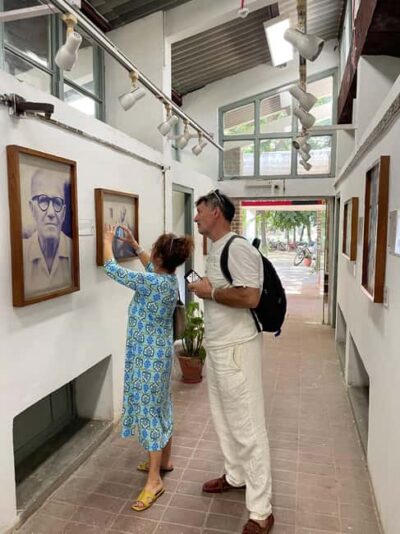
Le Corbusier’s Chandigarh : A Complete Architecture Tour
Read our review →
Architecture of New Belgrade – Brutalism Decoded
Read our review →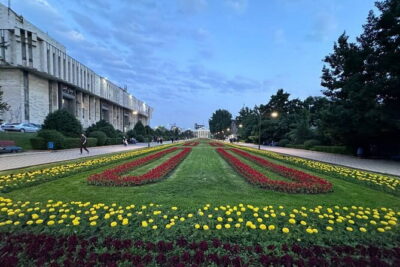
USSR History, Soviet Architects ,Statues & Mosaics
Read our review →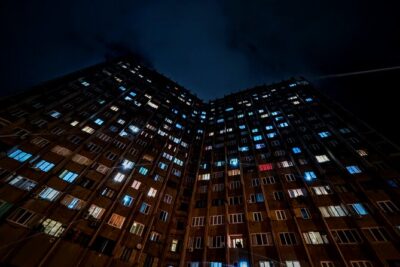
Brutal Tbilisi — Night Edition: Dark Side of Soviet Architecture
Read our review →USSR History , Soviet Architects , Statues & Mosaics
Read our review →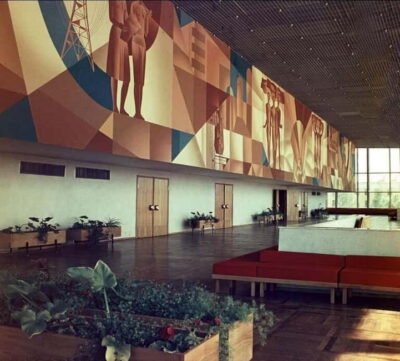
Astana: Old City Tour, Imperialistic and Soviet Architecture
Read our review →Browse the lists this tour appears in