
Review · BAUHAUS AND BRUTALIST ARCHITECTURE TOURS
Astana: Old City Tour, Imperialistic and Soviet Architecture
Astana’s futuristic skyline gets most of the attention, but this tour takes you to the city’s earlier face: Soviet neighborhoods, public art, and imperial-era traces that are easy to miss from the main avenues. You will hear how Astana changed from its older identity into Kazakhstan’s modern capital, while moving between small historic stops by comfortable car.
I like the access to lesser-known sites and the guide’s use of personal stories about everyday life in the Soviet Union. I also like the private format, which gives you room to ask questions and adjust the pace. The drawback is simple: this is a history-and-architecture tour, not a tour of Astana’s grand new monuments, and some walking takes place outdoors in a city with changeable weather.
Key points at a glance
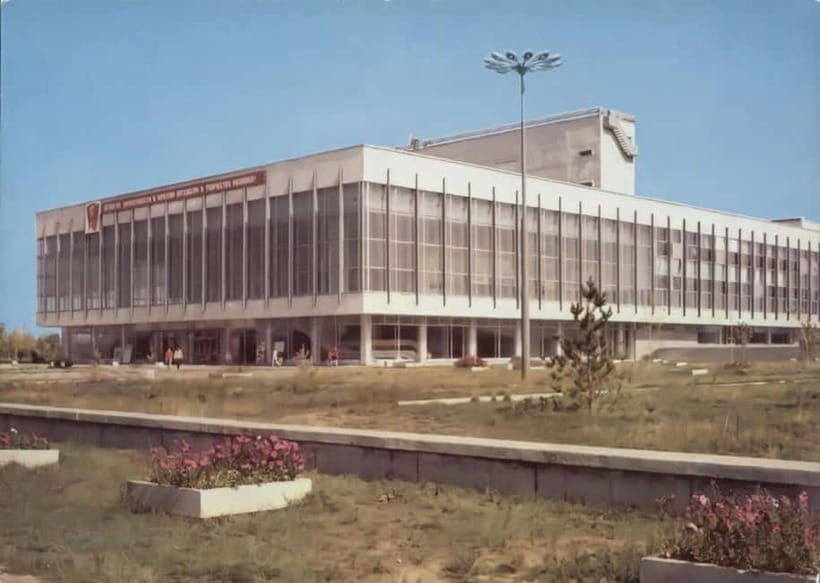
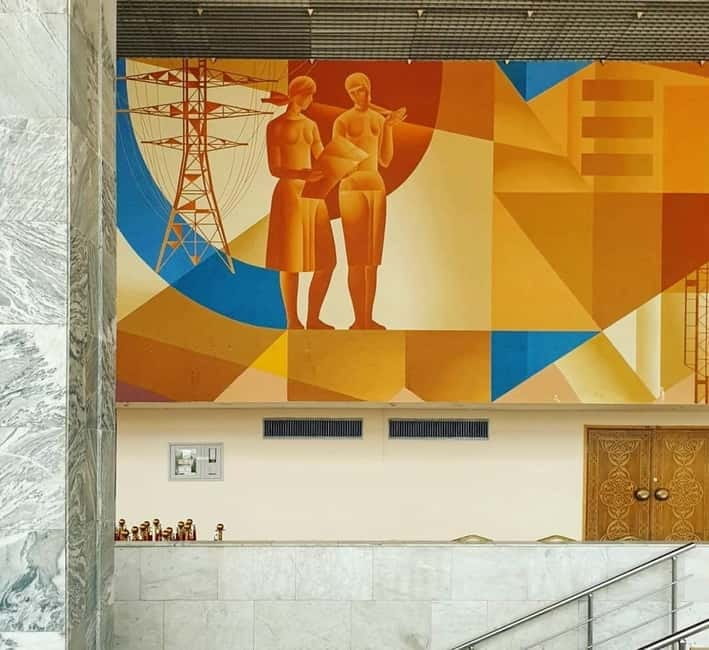
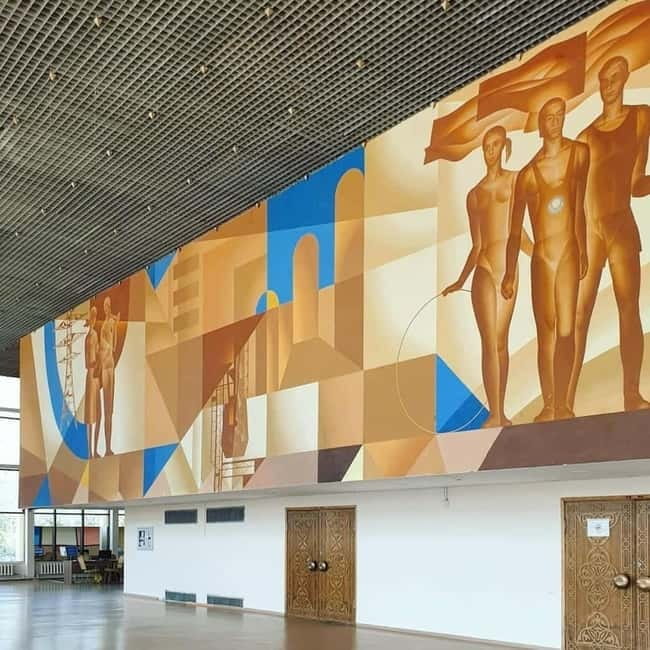
- Soviet art in ordinary places: Look for mosaics, murals, and sculptures that carry political, cultural, and social messages.
- Old Astana beyond the postcard view: Historic neighborhoods reveal parts of the city that are easy to miss from the modern center.
- A guide with strong local research: Damir is named in one experience account, and the tour places heavy emphasis on detailed stories and unusual stops.
- Private transport for four hours: Hotel pickup and drop-off, an air-conditioned car, Wi-Fi, and drinks make the long route easier.
- English or Russian commentary: You can request either language when booking.
- Good value for history-minded visitors: At $50 per person, the price includes the guide, transport, entrance fees, and refreshments, though no meal.
Why old Astana tells a different story
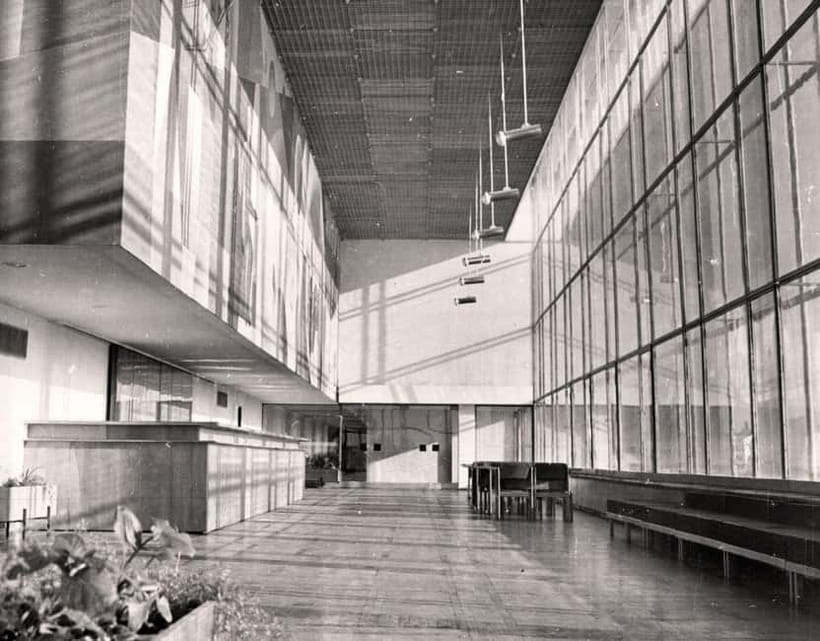
Astana can feel like a city built in stages, and that is exactly what makes this tour useful. The new capital is known for bold contemporary buildings, but the older districts show the city before its current image took shape.
You will see how streets, public buildings, art, and residential areas reflect different periods. The tour is not only about dates and names. It connects the physical city to the people who lived here, worked here, and adapted to the political changes of the Soviet period and the years that followed.
That human side is one of the strongest reasons to book. The guide explains what Soviet life meant in practical terms, then links those stories to the art and buildings in front of you. A mosaic becomes more than a patch of colored tile. A sculpture becomes a clue to the values that public spaces once promoted.
The route also helps you see Astana as more than a planned capital. You may find that the older neighborhoods feel less polished and more revealing than the monumental parts of the city. They offer context for the capital’s growth without asking you to abandon the comfort of a private car.
More Bauhaus and Brutalist Tours in the world:
- London: Brutalist Architecture & History Walking Tour
★ 4.8 · 42 reviews - Le Corbusier’s Chandigarh : A Complete Architecture Tour
★ 4.7 · 25 reviews - Architecture of New Belgrade – Brutalism Decoded
★ 4.5 · 24 reviews
A four-hour route with short stops and steady context
The tour begins with pickup anywhere in Nur-Sultan, the name still used in the supplied tour details for Astana. Your guide collects you from your requested point and sets off in a comfortable, air-conditioned car.
The schedule includes a mix of guided visits and photo stops. Most individual stops last between 15 and 30 minutes. That rhythm is practical for a city tour. You get enough time to hear the story and take pictures, but you are not left standing in one place for an hour.
The route includes several 30-minute guided sections, along with shorter stops of 15 or 20 minutes. Some locations combine a visit with a guided explanation, while others are mainly for photographs. Since the exact places can vary with the guide and the day, I would ask at pickup how the stops are arranged and which locations will receive the most time.
This format favors variety over a single long museum visit. You move through neighborhoods, pause at public art, and return to the car before continuing. If you like to keep moving, that works well. If you prefer a slow architectural study of each building, the short stop lengths may feel brisk.
Soviet mosaics, murals, and sculptures
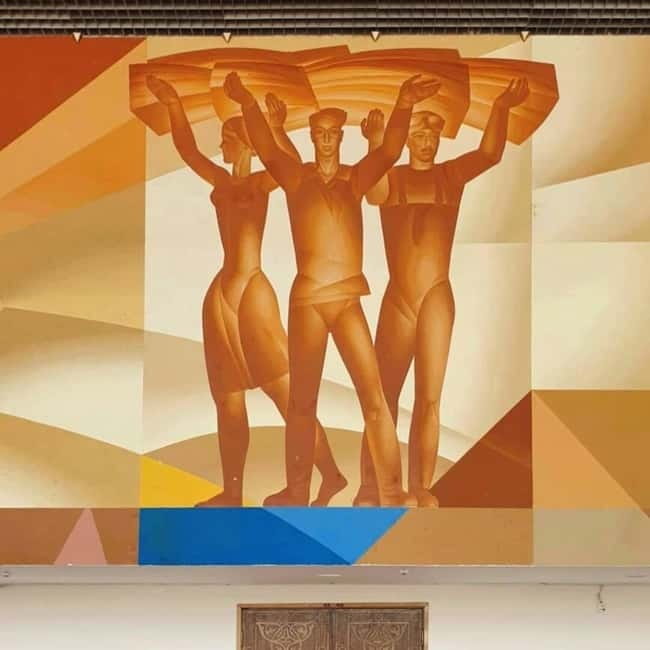
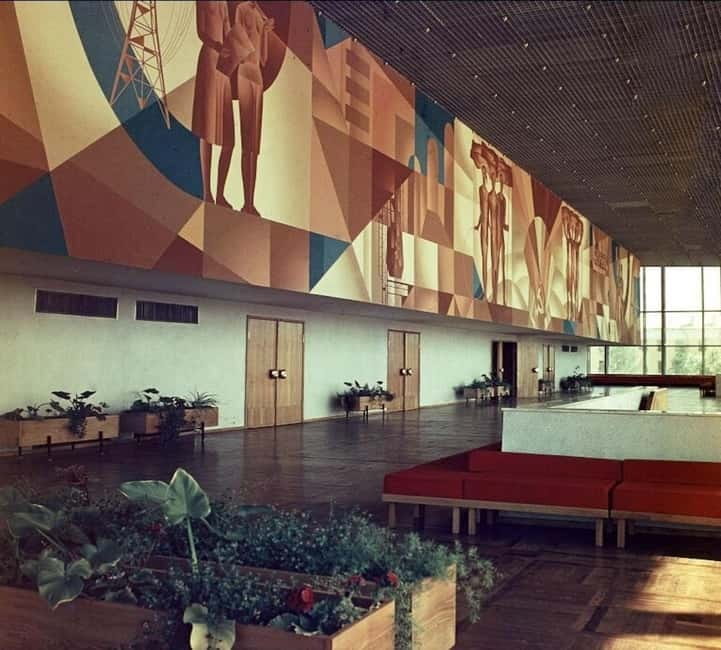
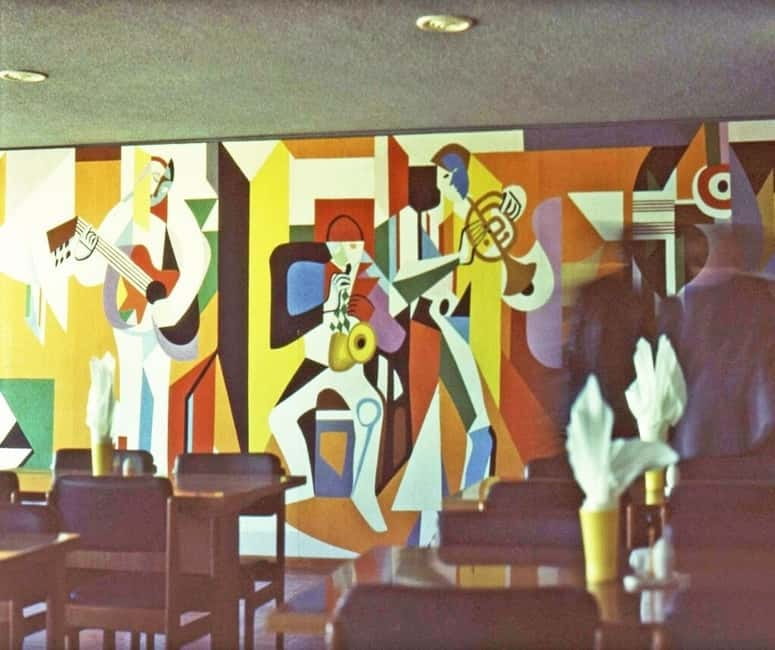
The public art is the visual heart of the experience. Mosaics, murals, and sculptures from the Soviet period often carried messages about work, education, science, community, and national identity. The guide helps you read these works in context instead of treating them as decoration.
Look closely at the details. Figures, tools, books, uniforms, and gestures may show what a period valued or wanted people to value. The art can also reveal how official ideas were presented to ordinary residents in schools, housing areas, and public spaces.
Photography is welcome and useful here. Bring a camera, but give yourself time to listen before moving in for a picture. The meaning of a mural may not be obvious from its design alone, and the explanation is a major part of why these stops are included.
The tour also offers a chance to compare the condition and setting of older art with Astana’s newer architecture. That contrast tells you something about the city’s changing priorities. The old works are not isolated museum pieces. They sit within the neighborhoods where people once encountered them as part of daily life.
Historic neighborhoods instead of only grand monuments
Astana’s best-known sights can give you a powerful first impression, but they do not explain the whole city. This route turns toward older neighborhoods that show the capital’s less formal side.
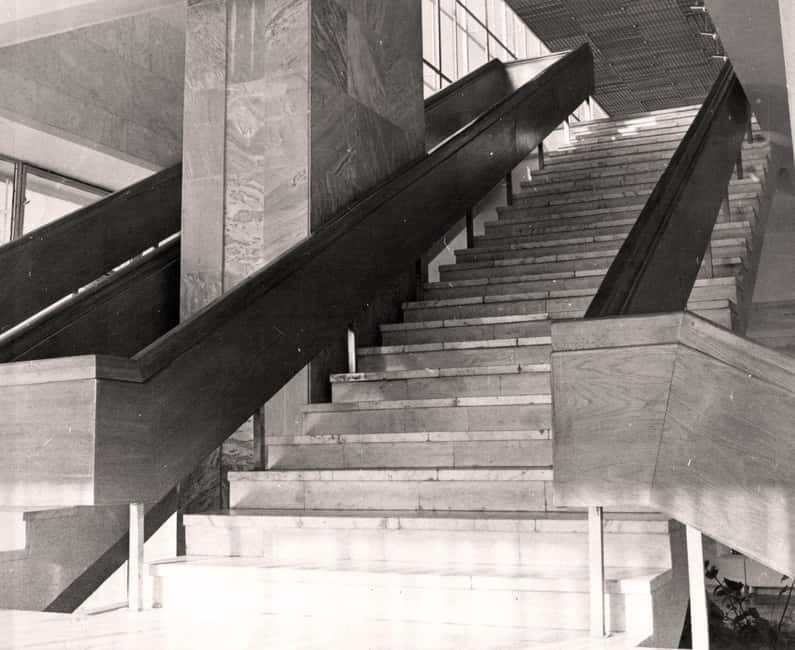
You will see areas shaped by earlier development and Soviet planning. The guide points out details that you might walk past alone, including architectural features and public spaces that do not appear on a typical short sightseeing route.
This is where local guidance matters most. One of the tour’s stated aims is to take you to places you would not easily find by yourself. That does not necessarily mean every stop is visually grand. Some may be modest, but their value comes from the story attached to them.
I would keep your expectations focused. You are not signing up for a polished parade of famous landmarks. You are paying for access, interpretation, and connections between different parts of Astana. If you want to understand how the capital grew and changed, the quieter stops may prove more useful than another look at a monumental facade.
More Old Town Architecture Walks in the world:
- Barcelona: Sagrada Familia, Modernism, and Old Town Tour
★ 4.7 · 1,621 reviews - Ramblas, Old Town, Gothic and Gaudi Architecture Walking Tour
★ 5.0 · 723 reviews - Barcelona e-Bike Tour: Gaudí & Old Town Small Group
★ 5.0 · 769 reviews - Barcelona 1.5h Private Old Town, Gothic & Ramblas Walking Tour
★ 5.0 · 318 reviews
What the guide adds to the buildings
The guide’s role is more important here than it would be on a simple photo drive. The tour promises explanations of the art, architecture, and Soviet period, with stories about daily life in the former Soviet Union.
The strongest praise attached to this experience focuses on depth, personal anecdotes, careful attention to detail, and continued research into places that other guides may skip. Damir is specifically named in one account, and another describes the guide’s English as excellent, with Russian also available.
If Damir leads your tour, you can expect a guide who has been praised for bringing Astana and Kazakh culture to life through personal stories and lesser-known details. I would still confirm the guide’s name and language when booking, since the general tour information lists English and Russian but does not guarantee a particular guide.
A good question to ask early is how the guide separates Soviet-era features from older imperial influences and later changes. The title of the experience includes both imperialistic and Soviet architecture, so you can make the most of the route by asking how these periods overlap.
The private format should make this easy. You can stop for clarification, ask about a building that catches your eye, or request a little more time at a particular photo stop. A larger group would be less flexible.
Why the private car matters in Astana
Astana is spread out, and this tour covers multiple neighborhoods in four hours. The included car saves you from arranging separate taxis or trying to connect far-flung stops by public transport.
Hotel pickup and drop-off are included, and the guide can collect you from any requested point. Air conditioning matters in warm weather, while the car also gives you a place to warm up or escape wind and cold during the outdoor sections.
Wi-Fi on board and refreshing drinks are included. These are small touches, but they make a half-day outing more comfortable, especially when you are moving between several stops. There is no meal, so eat before you leave or plan food afterward.
The private group setup is also helpful for photography. You do not have to negotiate every stop with strangers, and you can ask for a short pause when you need one. Keep in mind that the car does not remove all walking. Comfortable shoes remain important because the tour includes historic neighborhoods and outdoor viewing areas.
Judging the $50 price
At $50 per person, the value depends on how much you want interpretation rather than simple transportation. The price includes a private guide, car, hotel pickup and drop-off, drinks, Wi-Fi, air conditioning, and entrance fees to museums or attractions on the route.
That package is stronger than a bare four-hour driving tour. You are paying for the guide’s preparation and local research, as well as the convenience of having the route organized around your interests. The value is especially good if you are traveling with one or more companions and can share the private experience.
The price is less compelling if you only want to see Astana’s headline buildings or take quick photographs. You could spend less time and money walking around a central area on your own, but you would miss the guide’s explanations and the out-of-the-way locations.
There is also no meal included. That is not a serious problem for a four-hour tour, but remember to eat beforehand. Think of the fee as covering a guided cultural route with transport, not a full-day package.
Weather, clothing, and practical comfort
Astana’s weather can shape your experience. The tour includes outdoor photo stops and neighborhood walks, so check the forecast and dress for the conditions on the day.
Wear comfortable walking shoes. You may not walk continuously, but several short sections add up, and uneven outdoor surfaces can make poor footwear tiresome. Bring a camera, especially if Soviet public art interests you.
The tour is listed as wheelchair accessible, but the supplied information does not describe the exact surfaces or access arrangements at every stop. If you use a wheelchair, contact the provider before booking and ask how the neighborhood visits and individual sites will work.
English and Russian are available. If language matters to your experience, request your preferred option in advance. The guide’s explanations are central to the tour, so choose the language in which you can comfortably ask questions.
You can cancel up to 24 hours before the start for a full refund, and reserve now while paying later. Those terms are useful if your Astana plans are still shifting.
Who will get the most from this tour
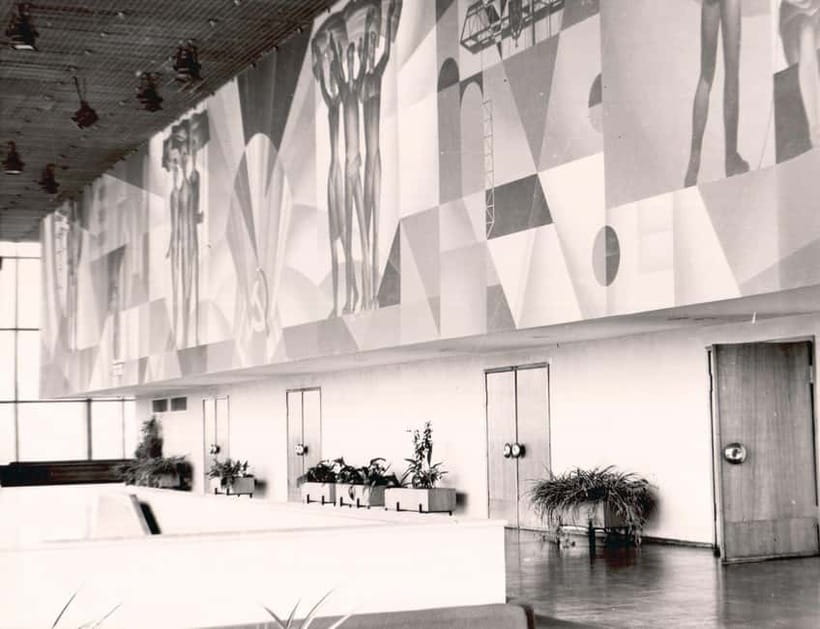
I would choose this experience if you have already seen, or plan to see, Astana’s modern center and want the story behind the city. It suits people who enjoy architecture, public art, urban change, Soviet history, and local anecdotes.
It is also a good choice for a first visit if you want to get your bearings quickly. The car covers ground, while the walking stops give you a closer look at the older districts.
History-minded visitors should enjoy the guide-led explanations, especially if the tour is led by Damir and you value detailed research. Photographers will appreciate the collection of murals, mosaics, and sculptures, though the short stops mean you should be ready to work quickly.
Families and mixed-interest groups may like the private format because the pace can be adjusted through conversation. The experience is less suitable if you want shopping, a meal, nightlife, or a major museum-only visit. It is also not the right pick if your idea of Astana is limited to futuristic architecture and grand civic buildings.
Should you book Astana’s old city tour?
Book it if you want to see the city beneath its modern capital image. The best reasons are the private car, the access to lesser-known neighborhoods, and the guide’s detailed explanation of Soviet art and daily life.
I would give the tour extra weight if you appreciate personal stories. The strongest praise focuses on the guide’s depth, friendly manner, careful research, and ability to show places that independent sightseeing would likely miss.
Skip it if you have only a short time in Astana and want a fast introduction to the newest landmarks, or if you dislike outdoor walking and historical commentary. For everyone else, $50 buys a thoughtful half-day route that adds meaning to the parts of Astana you might otherwise pass without noticing.
FAQ
How long does the Astana old city tour last?
The tour lasts four hours, including pickup, guided visits, photo stops, and return to Nur-Sultan.
What languages are available?
The live guide is available in English and Russian.
Is this a private tour?
Yes. The experience is arranged for a private group.
Is hotel pickup and drop-off included?
Yes. Pickup and drop-off are included, and the guide can collect you from any requested point.
What is included in the $50 price?
The price includes an expert guide, comfortable car, refreshing drinks, Wi-Fi, air conditioning, historic neighborhood visits, entrance fees to museums and attractions, and hotel pickup and drop-off. A meal is not included.
Can I cancel or pay later?
You can cancel up to 24 hours in advance for a full refund. Reserve-now, pay-later booking is also available.
Newly added in the world
- Barcelona: Guided tour e-bike Barcelona historical and modernist Barcelona★ 4.5 · 5 reviews
- Barcelona Architecture Walking Tour With Casa Batlló Upgrade★ 4.8 · 11 reviews
- Barcelona Beyond Gaudí: Modernism, Rooftops, and Hidden Gems★ 5.0 · 2 reviews
- Architecture Tour: Old Historic Madrid with an architect★ 4.3 · 3 reviews
- An Architect’s Tour of Downtown Santiago★ 5.0 · 7 reviews
- London: Architecture Tour of Benjamin Franklin House★ 5.0 · 5 reviews
- Architectural Wonders of KAFD, An Iconic Destination★ 5.0 · 3 reviews
- Alhambra Surroundings: History, Architecture and Legends★ 4.5 · 10 reviews
Bauhaus and Brutalist Architecture Tours, compared.
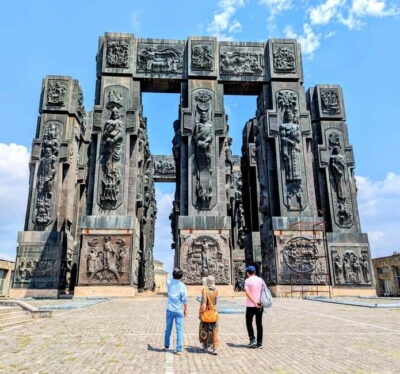
Brutalist Tbilisi: Urban exploration and untold stories
Read our review →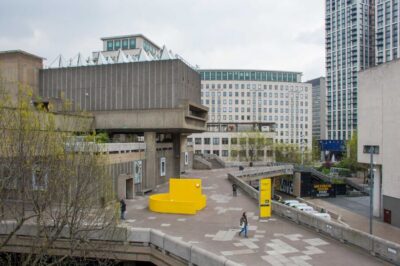
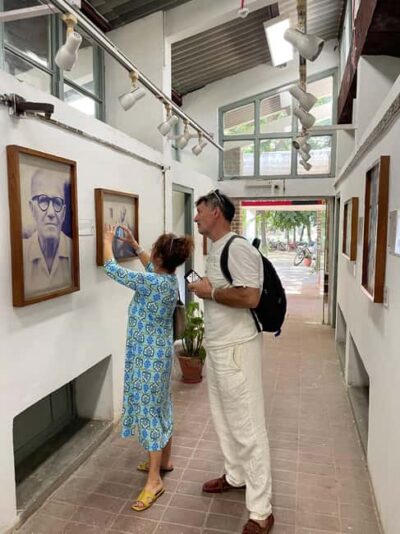
Le Corbusier’s Chandigarh : A Complete Architecture Tour
Read our review →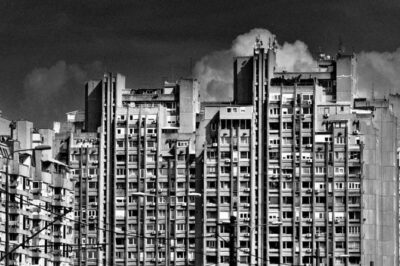
Architecture of New Belgrade – Brutalism Decoded
Read our review →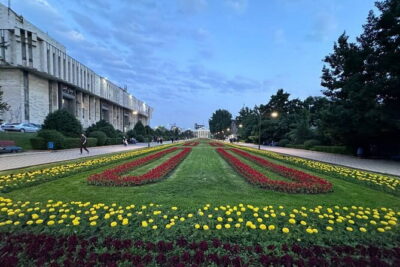
USSR History, Soviet Architects ,Statues & Mosaics
Read our review →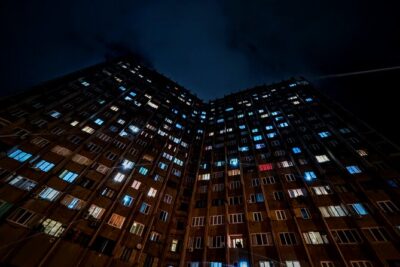
Brutal Tbilisi — Night Edition: Dark Side of Soviet Architecture
Read our review →USSR History , Soviet Architects , Statues & Mosaics
Read our review →Browse the lists this tour appears in