
Review · ITALY ARCHITECTURE TOURS
Caprarola: Villa Farnese, masterpiece of Renaissance architecture
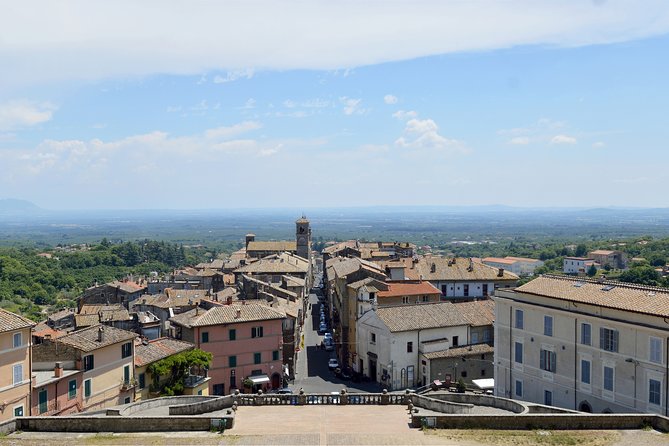
Palazzo Farnese is not a standard Italian villa. From outside, it looks like a stern pentagonal fortress. Inside, it opens into a world of painted ceilings, twisting staircases, grand reception rooms, maps, myths, and church politics. The palace sits high in Caprarola, near Viterbo, with broad views over the surrounding countryside.
I like two things especially. First, the frescoes fill nearly every important surface, so the building feels more like a painted storybook than an empty residence. Second, the tour gives you both the palace and its gardens, including the upper garden, fountains, statues, chestnut woods, and cypress trees. The main caution is simple: Caprarola is not in Rome. You must reach the meeting point in Caprarola, and narrow town streets can make driving stressful.
Key points to know before booking
- A fortress turned Renaissance palace: The five-sided exterior hides lavish rooms designed for Cardinal Alessandro Farnese.
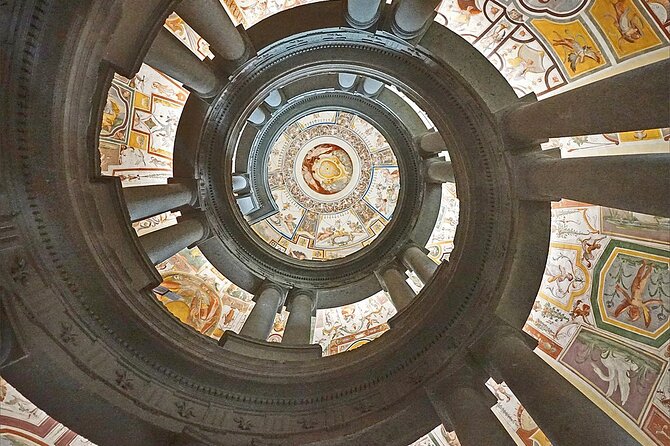
- Vignola’s grand staircase: The Scala Regia is one of the tour’s main architectural highlights.
- Frescoes instead of furniture: The rooms are sparsely furnished, but the walls and ceilings carry the visual weight.
- The famous map room: Painted maps from around 1573 reveal how the papal world understood geography at the time.
- A private English tour: Only your group participates, and Serena is identified as the guide for some bookings.
- A 90-minute visit with gardens: The formal palace tour ends in the Renaissance gardens, with time to continue exploring independently.
Why Caprarola’s fortress shape matters
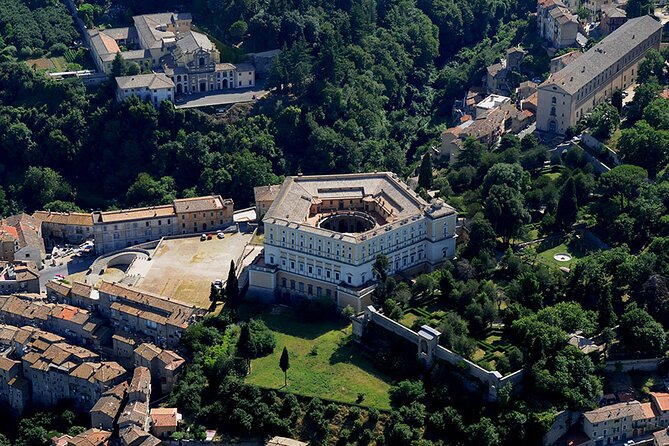
The first surprise is the building’s shape. Palazzo Farnese was conceived as a fortress, then transformed into a refined country residence for the powerful Farnese family. The result is a rare mix of military geometry and courtly display.
You approach an imposing pentagonal structure that dominates Caprarola. The exterior gives little away. It is formal and defensive, while the interior is built to impress visitors with movement, color, ceremony, and views.
The palace was designed by Vignola, one of the leading architects of the Italian Renaissance. His work is not limited to decoration. The shape of the building controls how you move through it, how rooms open onto one another, and how the central staircase becomes a stage for power.
That contrast makes the visit rewarding. You are not simply looking at a beautiful mansion. You are seeing a political residence shaped by a cardinal who wanted his status made clear in stone and paint.
A few more architecture walks in Italy worth a look
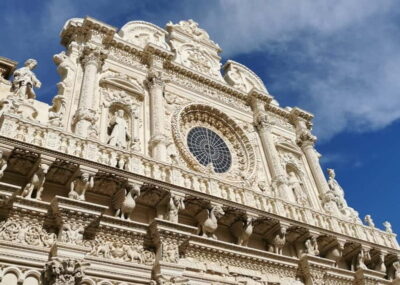
- Lecce: Baroque Architecture and Underground Walking Tour
★ 4.6 · 1,248 reviews - Experience Florence’s Art and Architecture on a Walking Tour
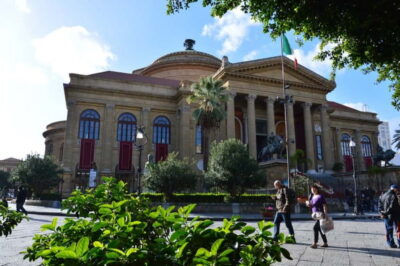
★ 5.0 · 318 reviews - Palermo: Art and Architecture Walking Tour
★ 4.7 · 136 reviews
The Scala Regia turns a staircase into theater
The Scala Regia, or grand staircase, is one of the first major highlights. It was used by Cardinal Alessandro Farnese to reach the main apartments, and its scale tells you that this was not meant to be an ordinary private staircase.
The staircase is decorated with frescoes and built to create a formal ascent. As you climb, look at how architecture and painting work together. The stairs are functional, but the setting turns a simple journey between floors into a ceremonial performance.
The tour description identifies Vignola as the architect and also connects him with the frescoes that embellish the staircase. The exact blend of architectural and artistic work is part of what makes this palace interesting. Renaissance patrons often wanted every element of a residence to support the same message: wealth, education, authority, and closeness to the center of power.
A guide is useful here. Without context, you may see a grand staircase and move on. With an explanation of its purpose, you begin to understand why the staircase mattered as much as any reception room.
The frescoed rooms carry the real visual force
Do not arrive expecting a furnished palace. Many of the rooms contain little or no furniture. That can feel like a weakness if you prefer historic interiors with beds, tables, and personal objects.
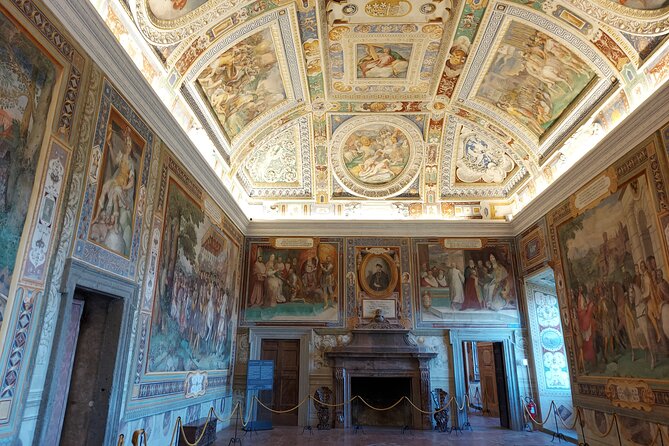
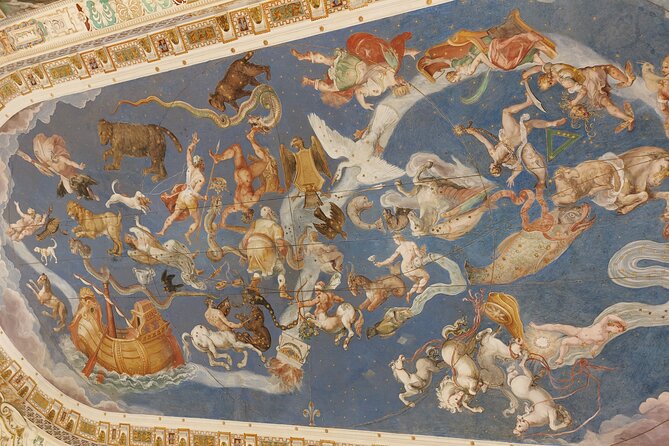
Here, the walls and ceilings do the talking. Frescoes cover the rooms in scenes drawn from classical mythology, religion, geography, and the political world of the period. The colors remain striking, and the sheer amount of painted decoration gives each room its own character.
The range of subjects matters. You are not walking through the same room repeated again and again. One chamber may focus on religious ideas, another on classical stories, and another on maps or symbols of authority. The subjects reflect the education and ambitions expected of a Renaissance prince of the Church.
I would pay close attention to the ceilings. Visitors often look straight ahead at wall paintings and miss the overhead work. In this palace, the ceiling is frequently part of the main show.
A good English-speaking guide can add real value. Serena is named in the supplied tour material as a guide who explains the history, symbolism, and smaller details in an accessible way. Guide availability and names can vary, so do not assume every booking will be led by her, but the experience is designed as a private English tour rather than a self-guided entry.
The Hall of Angels and the echo effect
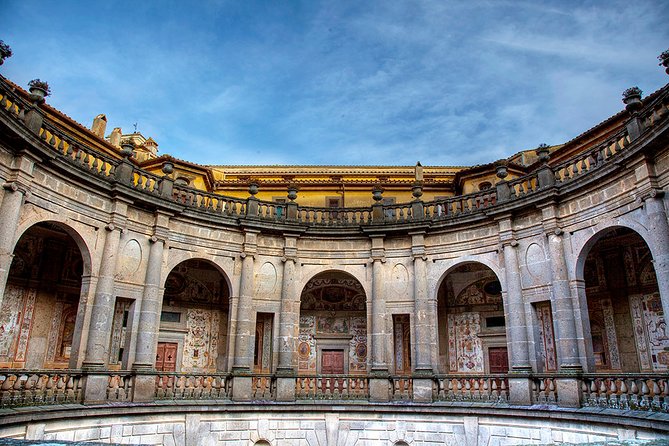
The Hall of Angels is noted for its unusual echo. This is a small detail, but it gives the visit a human moment after the formal rooms and dense decoration.
The room’s sound is part of its character. A guide may demonstrate or explain the effect, and you can hear how the space changes ordinary speech. It is a reminder that Renaissance architects were concerned with more than appearance. Shape, acoustics, movement, and ceremony all mattered.
The room is also part of the larger sequence of state rooms and reception spaces. These areas were intended to impress guests, so the palace uses scale and decoration to shape your response. The experience is less about private comfort and more about public display.
Same city, a different facade:
- Naples: San Gaudioso Catacombs Guided Tour
★ 4.7 · 1,105 reviews - Best of Bologna in one day : Food, architecture, art and history
★ 5.0 · 27 reviews - City Walk with Architect: Private walking tour of Rome
★ 5.0 · 22 reviews - Private Tour: Venice Art and Architecture Walking Tour
★ 4.0 · 22 reviews
The map room shows the world as Renaissance Rome understood it
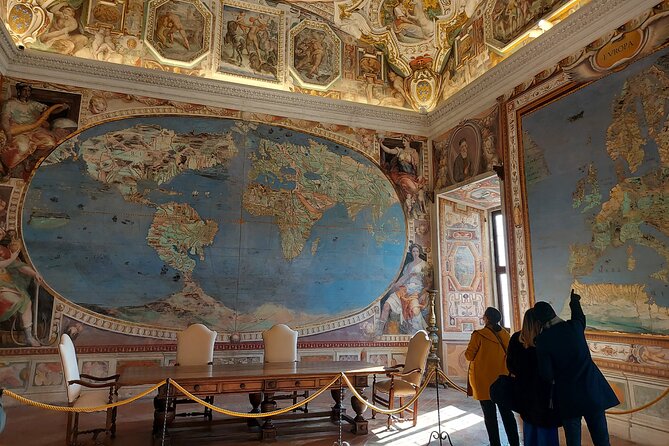
The room of maps is among the strongest reasons to visit Palazzo Farnese. Its frescoes, dated to around 1573 in the supplied information, show the continents and geography known at the time.
The maps are beautiful, but their importance goes beyond decoration. They reveal the reach of papal knowledge and the way geography was understood in the late Renaissance. You can see what was known, what was uncertain, and how much prestige came from displaying information about distant places.
This room is especially good for visitors who enjoy history, cartography, or the connection between art and power. A map on a wall can look decorative until you consider who commissioned it and who was meant to study it. In this setting, geography becomes a statement about authority and curiosity.
Give yourself time here. It is easy to rush through a palace when every room is decorated. The map room rewards a slower look at coastlines, labels, and the overall arrangement.
The gardens add air, views, and a change of pace
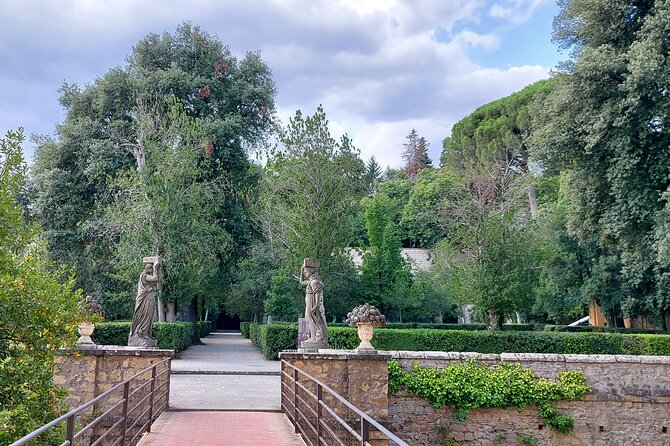
The tour ends in the Renaissance gardens, which helps balance the intensity of the interior. After painted rooms and enclosed stairways, you move outdoors among statues, fountains, chestnut woods, and cypress trees.
The gardens are arranged on rising ground, and reaching the upper garden involves a climb. That effort is worthwhile for the views and the smaller villa or hunting lodge above the main palace. The route gives you a broader sense of how the residence relates to Caprarola and the surrounding countryside.
The garden condition may not be perfect. Some fountains and water features have not always been working, and parts of the upper garden may be closed for restoration. Statues and garden details can also show signs of uneven maintenance. If you are expecting every fountain to operate, you may be disappointed.
Still, the outdoor section should not be skipped. The gardens are not just a final extra. They explain how the palace was used as a country retreat and provide the open space needed to appreciate the building’s position above the town.
The formal tour lasts about one hour and 30 minutes, but some visits have continued for two hours when people spent extra time with the guide or explored the gardens afterward. Plan your day with a little flexibility if possible.
What the $138.16 price means
At $138.16 per person, this is not a cheap palace admission. A separate local admission has been cited at about 10 euros, so the price cannot be justified by the entry ticket alone.
The real value is the private guiding. You receive an English-language visit for your own group, with entry included, rather than simply entering and reading brief signs. The difference matters at Palazzo Farnese because the rooms are visually dense and often unfurnished. Without explanation, you may appreciate the beauty but miss the purpose of the paintings, the role of the Farnese family, and the architectural logic.
The price makes the most sense for a small group that wants interpretation and has limited time in the area. It makes less sense if you are happy to explore quietly on your own, speak Italian, or are already familiar with Renaissance art and the Farnese family.
Group discounts are available, which can improve the value for a larger party. Since the activity is private, ask yourself how much you value having the guide’s attention directed only to your group. For many visitors, that is the reason to book rather than simply purchase an ordinary admission ticket.
Getting to Caprarola requires careful planning
The most important practical fact is the location. The meeting point is Via Filippo Nicolai 1, Caprarola, in the province of Viterbo. This is not a Rome attraction, even though Rome is the nearest major base for many people.
The supplied tour information places Caprarola about 60 kilometers from Rome. The trip can take planning, and the town has narrow streets. If you are driving, be comfortable with tight approaches and check the meeting address carefully before setting out.
The location is also part of the appeal. Caprarola is a Tuscia town rather than a major city center, and Palazzo Farnese dominates the town from its high position. You get a quieter setting than the major sights of Rome or Florence, with a strong sense of place.
Do not rely on the phrase Lake Bracciano alone when navigating. Use the full Caprarola address and province details. A previous missed visit was linked to going to Rome instead of Caprarola, despite the meeting point being stated in the booking details. Read the address and answer any messages from the operator before departure.
How the private format affects the visit
This is a private activity, so only your group participates. That gives you more control than a large shared tour. You can ask questions, pause at the map room, and request clarification when a scene or symbol is hard to understand.
The tour is offered in English. Confirmation is normally sent at booking, though reservations made within two days of the visit may receive confirmation within 48 hours, subject to availability.
Most people can take part, but the route includes stairs and a climb through the gardens. The supplied information does not list special accessibility arrangements, so contact Blue Cat Tours if anyone in your group has mobility concerns.
The activity ends back at the meeting point. Entry tickets to Palazzo Farnese are included, which keeps the basic cost clear once your reservation is confirmed.
Who will enjoy Palazzo Farnese most
I would recommend this tour to you if you enjoy:
- Renaissance architecture and painted interiors
- Art that combines classical, religious, and geographic subjects
- Historic gardens and views over a small Italian town
- Private guiding rather than a large group
- Places that require a special trip but reward the effort
Families can also enjoy it, especially if children are interested in fortresses, unusual staircases, maps, or the echo in the Hall of Angels. The palace has enough variety to prevent the visit from feeling like a long sequence of identical rooms.
You may want to skip the paid tour if your main goal is a furnished residence, a short stop near central Rome, or a low-cost admission. The palace has little furniture, some garden features may be closed or not working, and the listed price is much higher than basic entry.
My practical verdict
Book this experience if you are already planning time near Viterbo or can arrange the drive from Rome without rushing. Palazzo Farnese is one of those places where a guide can change what you see. The map room, grand staircase, frescoed apartments, and gardens give the visit more range than a simple palace admission.
The decision comes down to value. The ticket itself is inexpensive compared with the tour price, but private English guidance is the main product. If Serena is available, her detailed explanations are a strong reason to choose this option, though you should confirm the guide for your date.
I would not book it casually as a quick Rome side trip. I would book it as a focused visit to a remarkable Renaissance residence, with careful attention to the Caprarola meeting point and enough time for the gardens.
FAQ
Where does the tour take place?
The tour takes place at Palazzo Farnese in Caprarola, in the province of Viterbo, Italy.
Is Palazzo Farnese in Rome?
No. Palazzo Farnese is in Caprarola, not Rome. The supplied information places it about 60 kilometers from Rome.
What is the meeting point?
The meeting point is Via Filippo Nicolai 1, 01032 Caprarola VT, Italy.
How long does the tour last?
The tour lasts approximately one hour and 30 minutes.
What is included in the price?
Entry tickets to Palazzo Farnese in Caprarola are included.
Is the tour private?
Yes. Only your group participates in this private activity.
Is the tour offered in English?
Yes. The tour is offered in English.
Who operates the experience?
The experience provider is Blue Cat Tours.
What can I see inside Palazzo Farnese?
You can see Vignola’s Scala Regia, frescoed state rooms, the reception hall, the Hall of Angels, and the map room with painted geography from around 1573.
Does the visit include the gardens?
Yes. The tour ends in the Renaissance gardens, which include statues, fountains, chestnut woods, and cypress trees. Parts of the upper garden may be closed for restoration, and some fountains or water features may not be operating.
Can I cancel the booking?
You can cancel at least 24 hours before the local start time for a full refund. Cancellations or changes made less than 24 hours before the start time are not refunded or accepted.
Newly added in Italy
- Basilica San Marco and the Pala d’Oro with Architect Guide★ 4.5 · 19 reviews
- Walking tour in Venice with an architect★ 5.0 · 16 reviews
- Venice Art and Architecture Private Walking Tour★ 4.5 · 11 reviews
- LECCE: AMONG ARCHITECTURAL TREASURES IN THE LECCE BAROQUE★ 4.7 · 3 reviews
- Martina Franca: Baroque and Rococo Architecture Walking Tour★ 5.0 · 4 reviews
- Noto: Sicilian Baroque Architecture Guided Walking Tour★ 4.3 · 6 reviews
- City Walk with Architect: Private walking tour of Rome★ 5.0 · 22 reviews
- Private Tour: Venice Art and Architecture Walking Tour★ 4.0 · 22 reviews
Italy Architecture Tours, compared.
Baroque Architecture and Underground Walking Tour
Read our review →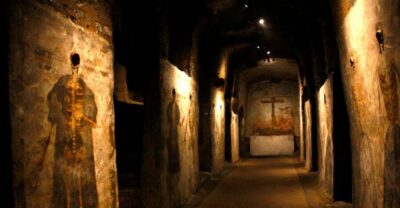
Best of Bologna in one day : Food, architecture, art and history
Read our review →
City Walk with Architect: Private walking tour of Rome
Read our review →
Private Tour: Venice Art and Architecture Walking Tour
Read our review →
Basilica San Marco and the Pala d’Oro with Architect Guide
Read our review →
Browse the lists this tour appears in