
Review · ITALY ARCHITECTURE TOURS
LECCE: AMONG ARCHITECTURAL TREASURES IN THE LECCE BAROQUE
Lecce’s Baroque style is easiest to understand on foot, and this tour takes you straight into its best setting: the old center between Porta Napoli and Piazza Sant’Oronzo. You’ll see warm local stone carved into churches, palaces, gateways, and saints, with Roman ruins woven into the same streets.
I like the compact route and the chance to explore with Federica Manzi, who guides in Italian and Spanish. I also like that the tour mixes architecture, Roman history, and food culture instead of treating Lecce as one long parade of church facades.
The main catch is simple: church entry is not included. Two hours is enough for a strong introduction, but not for a slow interior visit at every stop, so you’ll want to plan extra time if you hope to go inside.
Key points to know before booking
- Porta Napoli begins the story: This sixteenth-century gateway introduces Lecce’s historic center and its connection with Charles V of Habsburg.
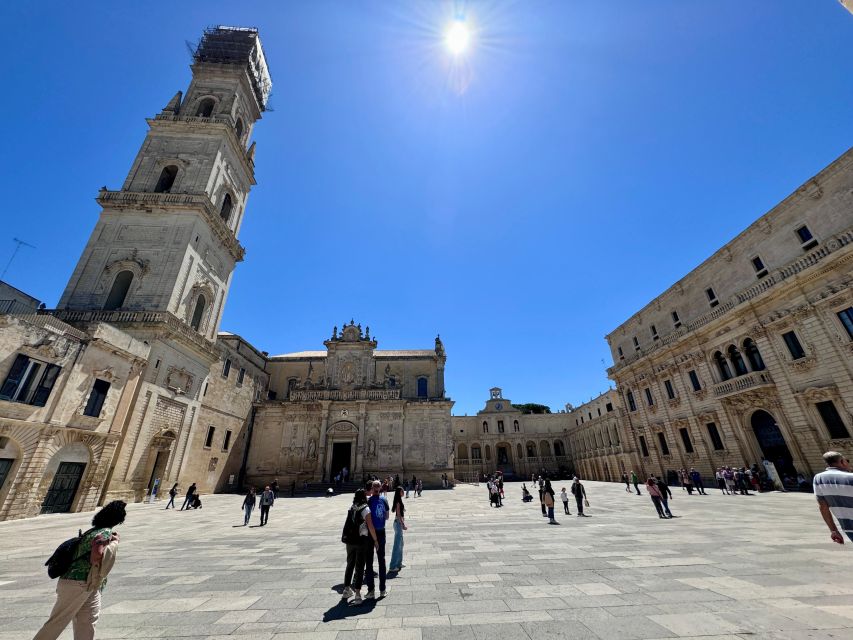
- Piazza del Duomo is unusually enclosed: Its closed design gathers the cathedral, bishop’s palace, and seminary palace into one carefully framed view.
- Roman and Baroque Lecce share the same walk: Ancient remains appear alongside churches and palaces from later centuries.
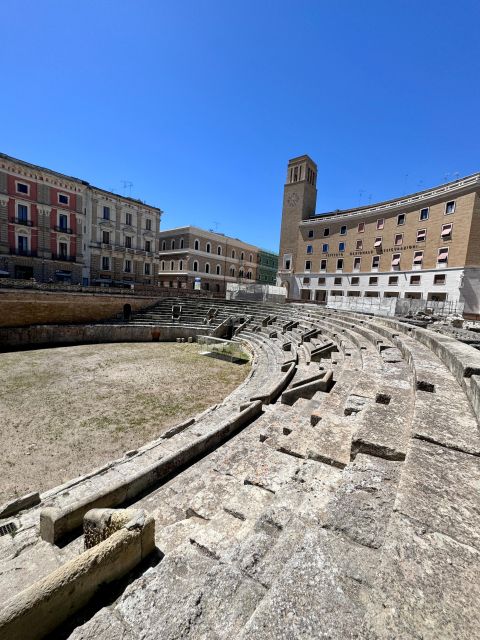
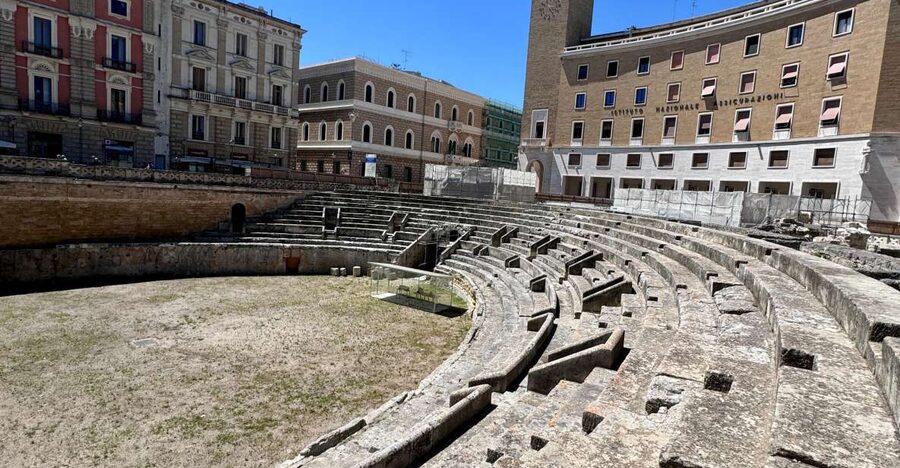
- Piazza Sant’Oronzo brings the city together: The Roman amphitheater and column of Saint Oronzo give the tour a strong historic finish.
- Federica Manzi speaks Italian and Spanish: She is particularly suited to visitors who want clear explanations and the freedom to ask questions.
- The price works best for a small group: At $147.27 for up to five people, the cost is about $29.45 per person if the group is full.
Why Lecce is best explored on foot
Lecce is a city where the details sit at eye level. You do not need a long bus ride between sights or a distant viewpoint to understand its appeal. The route moves through the historic center, where stonework, doorways, religious buildings, Roman remains, and public squares appear within a compact area.
The local material is Lecce stone, a soft limestone with a warm color that has been used across the city. Its texture helps explain the look of the Baroque here. Carvers could shape the stone into elaborate figures, scrolls, flowers, columns, and dramatic facades.
That detail is easier to appreciate with a guide than on a quick solo walk. A guide can point out how the buildings relate to one another and explain why Lecce developed such a distinctive style. Without that context, you may see ornate buildings but miss the difference between a church facade, a civic palace, and a Roman monument.
The route is also useful for first-time visitors because it gives you a map of the center. You begin at Porta Napoli, move through Via Giuseppe Palmieri and Piazza del Duomo, then continue toward Piazza Sant’Oronzo. Afterward, you can return to the places that caught your eye, this time at your own pace.
More Baroque Architecture Tours in Italy:
- Lecce: Baroque Architecture and Underground Walking Tour
★ 4.6 · 1,248 reviews - Noto: Sicilian Baroque Architecture Guided Walking Tour
★ 4.3 · 6 reviews - Martina Franca: Baroque and Rococo Architecture Walking Tour
★ 5.0 · 4 reviews
Starting at Porta Napoli and entering the old city
Porta Napoli is more than a meeting point. It is a sixteenth-century gateway built in Lecce stone and connected with the era of Charles V of Habsburg. Starting here gives the walk a clear sense of arrival: you pass through a historic entrance and into the older part of the city.
This is a good opening for a guided tour because it places Lecce in time before the Baroque churches appear. You begin with the city’s defensive and civic identity, then gradually move into its religious and artistic center.
Take a moment to look at the gateway before setting off. The stone itself matters. Its pale, honey-colored appearance changes with the light, and its surface helps you recognize the material used on many buildings later in the route.
The meeting point is also practical. If you are staying in Lecce, Porta Napoli is an easy landmark to identify. The tour lasts two hours, so arrive ready to walk and listen rather than expecting a long stop at each monument.
Via Giuseppe Palmieri, where the Baroque begins to build
From Porta Napoli, the walk follows Via Giuseppe Palmieri. The street leads between churches and Baroque palaces, giving you a gradual introduction to the city’s decorative style.
This section is valuable because it shows Baroque Lecce as part of an urban setting, not just as a collection of famous buildings. Look at how facades face the street, how entrances are framed, and how decorative stonework changes from one building to the next.
A guide can help you separate the grand from the merely ornate. In Lecce, nearly every corner can contain carved stone, and it is easy to lose track of which details matter. The guided format keeps the route from becoming a blur of similar-looking decorations.
The street also offers a useful contrast between public and religious architecture. Churches announce themselves through elaborate fronts and religious imagery, while palaces reveal the wealth and status of the families who commissioned them. You may find the explanation more useful than a list of names, especially if Italian Baroque architecture is new to you.
This is one place where your expectations should be realistic. The supplied information does not promise extended interior visits or detailed stops at every church. The focus is the street-level route and the cultural meaning of the buildings along it.
Piazza del Duomo and Lecce’s rare closed square
Piazza del Duomo is one of the tour’s strongest stops. It is described as a rare example of a closed square, meaning the buildings gather around the space in a way that creates a contained architectural scene.
The cathedral, bishop’s palace, and seminary palace frame the square. Instead of seeing one church facade in isolation, you get a complete composition in which religious buildings, entrances, towers, and open space work together.
This design rewards a slow look. At first, you may notice the cathedral. Then the surrounding buildings begin to shape your view, and the square feels more like a room than an ordinary street intersection.
I especially like this stop for visitors who want to understand why Lecce is more than a pretty collection of churches. The square shows how architecture can organize civic and religious life. It also gives you a clear example of the city’s Baroque taste without requiring technical knowledge.
If you want interior access, ask about it during the tour, but remember that admission is not included. The guide can explain what you are seeing from outside, while any church visit will require separate planning and payment if applicable.
A few more architecture walks in Italy worth a look
- Experience Florence’s Art and Architecture on a Walking Tour
★ 5.0 · 318 reviews - Palermo: Art and Architecture Walking Tour
★ 4.7 · 136 reviews - Caprarola: Villa Farnese, masterpiece of Renaissance architecture
★ 4.5 · 28 reviews - Best of Bologna in one day : Food, architecture, art and history
★ 5.0 · 27 reviews
Through the Roman city, with older layers underfoot
After Piazza del Duomo, the route winds through the streets of the ancient Roman city. This change in subject keeps the tour from becoming too narrowly focused on Baroque decoration.
Lecce’s appeal comes from the way different periods sit close together. You move through streets shaped by the Roman city, then encounter later churches and palaces built over or beside that older urban framework. The result is not a single-period museum. It is a working city with several historical layers sharing the same center.
The Roman element also prepares you for Piazza Sant’Oronzo. A guide can connect the remains you see along the way with the larger Roman presence represented by the amphitheater there.
I find this part particularly useful if you are comparing Lecce with other Italian cities. The tour makes clear that the city is not only a Baroque destination. Roman Lecce and Baroque Lecce are part of the same walk, and the route lets you see that relationship without needing a full archaeological tour.
Do not expect the two-hour route to explain every phase of the city in depth. Its strength is selection. You receive a connected overview, then you can return later to study a particular church, ruin, or palace more closely.
Piazza Sant’Oronzo and the Roman amphitheater
The main street leads to Piazza Sant’Oronzo, one of Lecce’s central public spaces. Here, the Roman amphitheater gives the square a powerful ancient landmark.
The amphitheater is important because it makes the Roman past visible in a direct way. You are not only hearing that Lecce was a Roman city. You are looking at a surviving structure within the modern center, surrounded by later buildings and daily city life.
The square also contains a Roman column topped by a statue of Saint Oronzo, the city’s protector. That pairing of Roman remains and Christian symbolism says a great deal about Lecce. The city’s identity was built in layers, and the square gathers several of those layers in one place.
Piazza Sant’Oronzo is listed as the finishing point, so it is a convenient place to continue your own visit. You can use the square as a reference point for exploring more of the center, stopping for food, or returning to an earlier church.
The square can also feel like a busier public space than the smaller lanes and enclosed Piazza del Duomo. That change is part of the route’s rhythm. You begin at a city gate, pass through quieter architectural settings, and finish in a major urban gathering place.
Baroque churches and the Basilica of Santa Croce
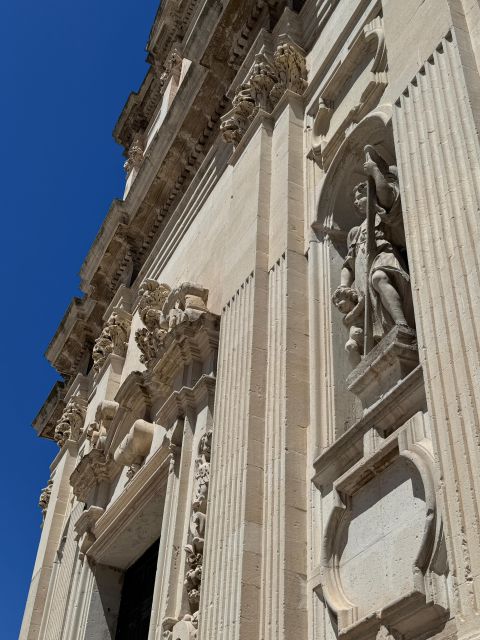
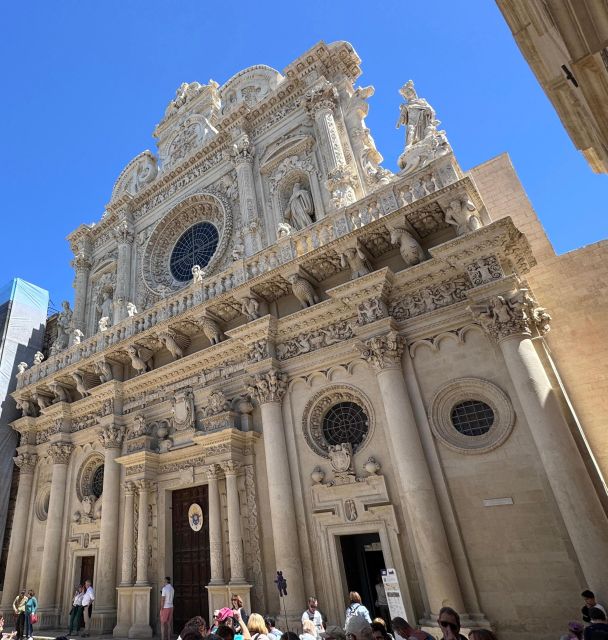
The final part of the route includes Lecce’s Baroque churches and the Basilica of Santa Croce, one of the city’s best-known symbols. Santa Croce is a fitting highlight because its facade displays the carved stonework that makes Lecce famous.
Look closely at the exterior rather than trying to take in everything at once. Baroque facades often reward small observations: figures, plant forms, decorative borders, and the way the stone has been shaped around doors and windows.
The church is also a good point for asking questions. If you want to know how Lecce stone allowed such detailed carving, or how the facade fits into the city’s wider style, a live guide can make the visit more meaningful.
Again, plan around the admission detail. Church entry is not included, so the tour’s treatment of Santa Croce may be primarily exterior unless you arrange access separately. That is not a serious problem if you want orientation, but it matters if your main goal is to study interiors, paintings, altars, or religious art.
The route description places Piazza Sant’Oronzo as the finish, while also naming Santa Croce among the final stops. Treat the listed path as a walk through the central sights rather than a promise of a long, separate stop inside every church.
What Federica Manzi adds to the walk
Federica Manzi is the named guide for this experience, and the tour is offered in Italian and Spanish. That language choice is important because architectural history can lose its meaning when explanations are rushed or hard to follow.
The strongest praise connected with Federica is her Spanish, her preparation, and her ability to answer questions. She is also described as adapting to what the group requested and allowing the walk to continue without feeling hurried.
Those details matter more than a formal list of monuments. A good city guide should be able to adjust the balance between architecture, history, and culture. If you want more detail about a particular church, or if you prefer a broader look at Lecce’s past, the ability to ask and redirect can make the two hours more useful.
The tour is not presented in English. If you need English guiding, this is not the right choice based on the available information. If you speak Italian or Spanish, the live format should give you a more direct way to discuss what you are seeing.
Is $147.27 good value for up to five people?
The listed price is $147.27 per group of up to five people. If five people join, that works out to about $29.45 each for a two-hour guided walk. For a couple, the per-person cost is higher, but the small-group pricing can still make sense if you value a personal guide rather than a large scheduled group.
The value comes from the route and the explanation. You are not paying for transportation, museum admission, or a meal. You are paying for a structured introduction to Lecce’s historic center, led in Italian or Spanish, with major sights connected into one story.
The lack of church entry keeps the price from being an all-inclusive sightseeing package. If you want to enter several churches, you will need to budget for those admissions separately and allow extra time after the walk.
I would see this as a good purchase for a small group that wants orientation on its first day in Lecce. It is less useful for someone who has already studied the city and wants a specialist art tour with long interior visits.
The booking terms also reduce the risk. You can cancel up to 24 hours in advance for a full refund, and the reserve-now, pay-later option lets you keep plans flexible. The tour is wheelchair accessible, which is useful information when planning a route through an old city center, although the available details do not describe the exact street surfaces or access conditions at each church.
Who should book this Lecce walk?
I would choose this tour if you want a clear introduction to Lecce in two hours and you speak Italian or Spanish. It suits couples, families, and small groups who want to see the major center without arranging several separate visits.
It is especially helpful if you are not sure how to read Lecce’s architecture. The route explains the relationship between Porta Napoli, the Baroque palaces, Piazza del Duomo, Roman remains, Piazza Sant’Oronzo, and Santa Croce.
You should think twice if you need English, want extensive time inside churches, or prefer to explore without a fixed pace. The tour gives you a framework, not a full museum-style study of every monument.
For food-focused visitors, the route’s gastronomic and cultural angle may also be useful as an introduction to the city’s atmosphere. Still, no meal or tasting is included in the stated package, so do not book it expecting a formal food tour.
My call: a strong first look at Lecce
Book this walk if you want Lecce’s main sights tied together by one historical route. The sequence from Porta Napoli to Piazza Sant’Oronzo gives you a sensible first look at the city, while Piazza del Duomo, the Roman amphitheater, and Santa Croce provide memorable focal points.
Federica Manzi is a particularly good fit if you want Italian or Spanish guiding and expect to ask questions. Her reported ability to adapt and avoid rushing is useful in a city where small architectural details deserve attention.
Just add time and money for church interiors. With that limitation understood, the tour offers a practical, focused way to meet Lecce’s Baroque center and decide what deserves a closer visit later.
FAQ
Where does the tour start?
The tour starts at Porta Napoli, the sixteenth-century gateway in Lecce’s historic center.
Where does the tour finish?
The listed finishing point is Piazza Sant’Oronzo.
How long does the tour last?
The guided tour lasts two hours.
What languages are available?
The live guide is available in Italian and Spanish.
Is church admission included?
No. Entry to the churches is not included in the price.
Is the tour wheelchair accessible?
Yes, the activity is listed as wheelchair accessible.
How much does the tour cost?
The price is $147.27 per group of up to five people.
Can I cancel for a refund?
Yes. You can cancel up to 24 hours in advance for a full refund.
Newly added in Italy
- Walking tour in Venice with an architect★ 5.0 · 16 reviews
- Venice Art and Architecture Private Walking Tour★ 4.5 · 11 reviews
- Basilica San Marco and the Pala d’Oro with Architect Guide★ 4.5 · 19 reviews
- Martina Franca: Baroque and Rococo Architecture Walking Tour★ 5.0 · 4 reviews
- Noto: Sicilian Baroque Architecture Guided Walking Tour★ 4.3 · 6 reviews
- Private Tour: Venice Art and Architecture Walking Tour★ 4.0 · 22 reviews
- City Walk with Architect: Private walking tour of Rome★ 5.0 · 22 reviews
- Best of Bologna in one day : Food, architecture, art and history★ 5.0 · 27 reviews
Italy Architecture Tours, compared.
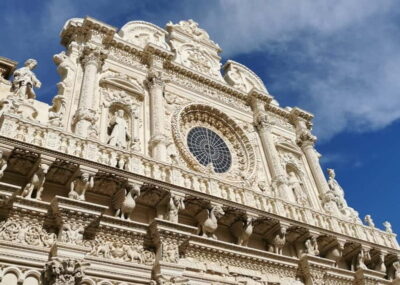
Baroque Architecture and Underground Walking Tour
Read our review →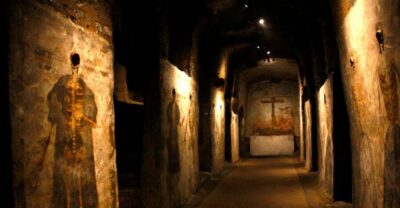
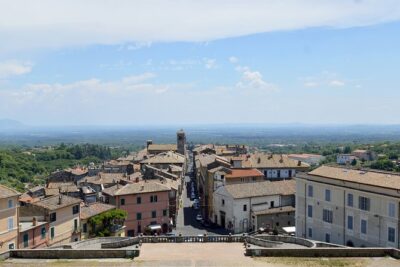
Caprarola: Villa Farnese, masterpiece of Renaissance architecture
Read our review →
Best of Bologna in one day : Food, architecture, art and history
Read our review →
City Walk with Architect: Private walking tour of Rome
Read our review →
Private Tour: Venice Art and Architecture Walking Tour
Read our review →
Basilica San Marco and the Pala d’Oro with Architect Guide
Read our review →Browse the lists this tour appears in