
Review · WALKING TOURS
Manhattan Architecture & Urban Design Walk
Manhattan makes more sense when you stop looking at it as a collection of famous buildings and start asking why each block looks the way it does. On this 2.5-hour architecture walk, David uses streets, buildings, and public spaces to explain zoning, development, building types, and the planning choices behind New York’s controlled chaos.
I especially like the small group size, limited to 10 people, and the way each stop builds on the last. I also like that the tour goes beyond landmark spotting to cover lesser-known work by major architects and the practical tricks that help you read the city. The main consideration is that the exact route varies, so you will not know every building or meeting point until you select Chelsea, the Lower East Side and SoHo, or the Financial District.
Key points at a glance
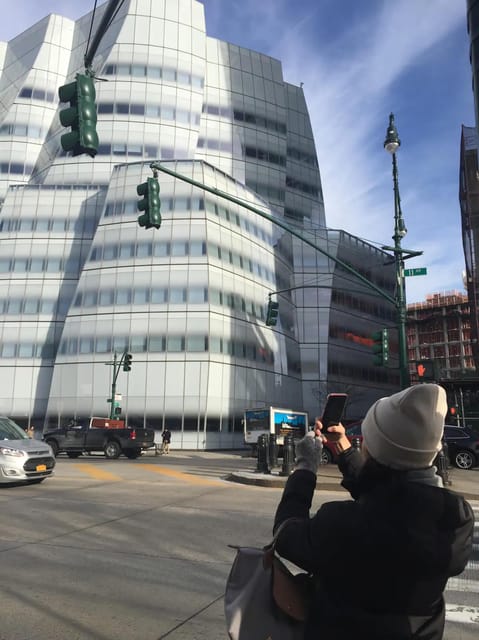
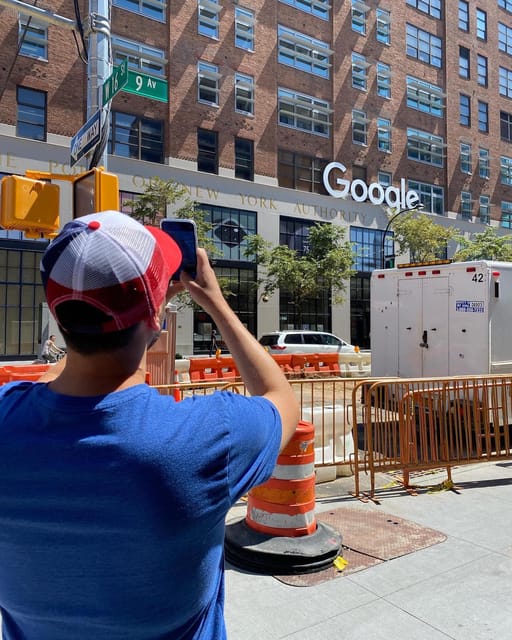
- Three possible Manhattan routes: Choose from Chelsea and the Meatpacking District, the Lower East Side and SoHo, or the Financial District.
- Urban planning made practical: Learn how zoning, maps, development rules, and building types shape the city.
- A guide with professional context: David has worked with New York architecture firms and agencies focused on design, hospitality, and real estate.
- Small-group attention: The group is limited to 10 people, giving the walk a more personal feel than a large city tour.
- Built-in pause: A 15-minute break comes halfway through, with chances to stop indoors for a snack, drink, or restroom visit.
- Useful practical setup: The tour is in English, wheelchair accessible, and open to visitors age 16 and older.
Why this walk changes the way you see Manhattan
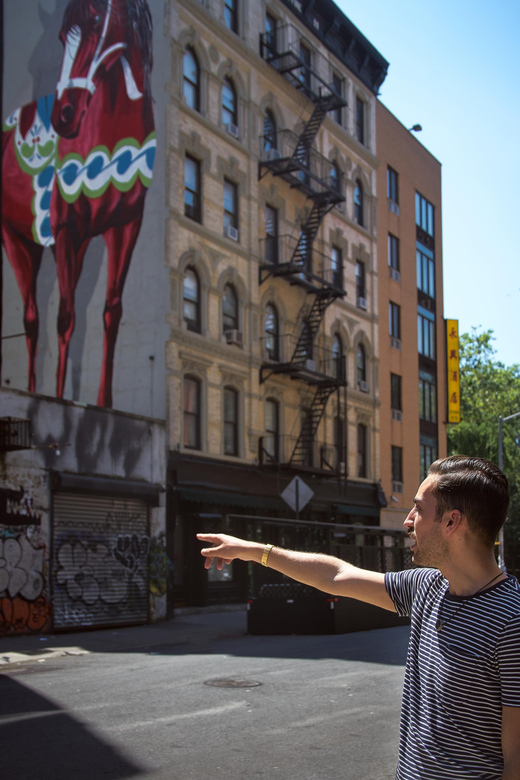
Most New York sightseeing walks ask you to admire a building, take a picture, and move on. This one asks a more useful question: Why is the building here, and why does it look like that?
That shift matters. Manhattan is full of clues that are easy to miss when you are rushing between attractions. A narrow frontage, a setback, an old industrial building beside a newer tower, or a public space tucked into a block can reveal how the city grew and how officials, builders, and architects negotiated its limits.
David has been leading New York tours since 2018, and his background gives the walk a useful mix of design and city knowledge. He studied urban design at Parsons School of Design and has worked with architecture firms and public relations agencies connected to architecture, hospitality, design, and development.
You are not simply getting a list of dates and architects. You are being shown how to read New York as you walk through it. That makes this a good choice for you if you have already seen the major sights and want a smarter way to understand the streets around them.
More Walking Tours in New York City
- Tribeca Architecture And History Walking Tour
★ 5.0 · 141 reviews - TriBeCa Architecture & History Walking Tour
★ 5.0 · 37 reviews - Midtown Manhattan Art and Architecture Walking Tour
★ 5.0 · 32 reviews
Choosing between the three routes
The tour operates in one of three areas. The Chelsea and Meatpacking route, the Lower East Side and SoHo route, and the Financial District route all cover the same main subjects, but each area gives those subjects a different setting.
The exact meeting point depends on your selected route. The listed starting location applies only to Chelsea, so check your booking details carefully if you choose SoHo, the Lower East Side, or the Financial District. The walk ends back at its starting point.
Chelsea and the Meatpacking District
Chelsea and the Meatpacking District offer a useful setting for discussing changing building uses, public space, and development. The area’s architectural story includes older commercial structures, newer projects, and the way neighborhoods change as land becomes more valuable.
You can expect the route to use buildings and streets as examples of how one type of city block can shift over time. David’s building typology theme is especially helpful here. You will look at what different structures were built to do, how their uses affect their form, and how public spaces relate to the buildings around them.
The benefit of this route is variety. The possible drawback is that the area has plenty to see, so the tour cannot explain every building in detail during a single 2.5-hour walk. Its purpose is to give you a clear set of tools for noticing patterns, not to provide a full architectural survey of Chelsea.
The Lower East Side and SoHo
The Lower East Side and SoHo offer a different view of Manhattan’s development. This route is well suited to discussions about older building types, changing commercial uses, zoning, and the tension between preservation and new construction.
SoHo is particularly useful for understanding how a district’s buildings can outlast their original purpose. The Lower East Side adds another setting for considering how development, density, and community shape the city. The important point is not just how a building looks, but how it fits into the block and how the surrounding area affects its future.
If you are interested in the relationship between old structures and new development, this may be the most appealing route. Keep in mind that the experience is still an architecture and planning walk, not a food tour or a broad neighborhood history tour. Food and drinks are not included, though there is time to buy something during the break.
More Walking Tours in the USA
- Holdouts: A NYC Architecture Walking Tour
★ 5.0 · 31 reviews - Midtown North NYC Architecture Walking Tour
★ 5.0 · 28 reviews - Financial District NYC Architecture Walking Tour
★ 5.0 · 26 reviews - Chelsea and the High Line NYC Architecture Walking Tour
★ 5.0 · 6 reviews
The Financial District
The Financial District gives the planning lessons a more intense setting. Here, the tour can help you think about dense development, navigation, tall buildings, and the way older street patterns interact with modern construction.
This is a useful area for David’s zoning and mapping discussion. New York often feels confusing at street level, but the confusion is not random. The walk explains practical ways to understand the city’s layout and how rules help determine what can be built.
The Financial District may suit you best if you want to focus on density, development, and how a highly built-up part of Manhattan works. It may feel less relaxed than a neighborhood route simply because the setting is more concentrated and urban, though the small group keeps the format personal.
The four ideas that shape the walk
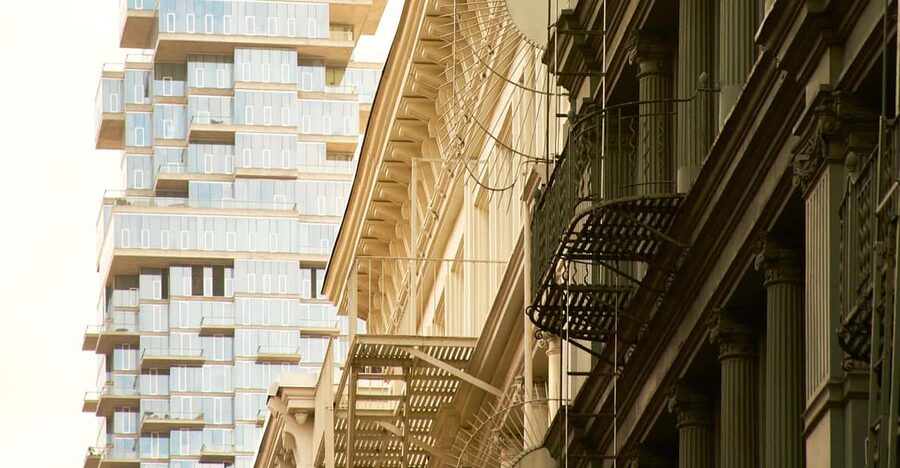
Each route follows the same basic set of subjects. The stops are arranged so one idea leads into the next rather than presenting unrelated architectural facts.
Building types and overlooked details
The first major theme is building typology, which means looking at the kinds of structures that make up the city and the jobs they were designed to do. This helps you notice buildings that do not have famous names but still explain a great deal about New York.
You may begin to see how homes, commercial buildings, industrial structures, offices, and public spaces affect one another. A building is not treated as an isolated object. Its entrances, scale, materials, and position on the block all connect to how people use the street.
I like this approach because it gives you something you can keep using after the tour. Once David points out the clues, you can apply the same method to any neighborhood in New York.
Urban planning from the sidewalk
Urban planning can sound dry in a classroom. On this tour, it is tied to places you can see and walk through.
Each stop covers a different planning or design idea, and the subjects build toward a larger picture of how Manhattan developed. You will consider the relationship between streets, buildings, public areas, and changing needs.
The advantage is that the information remains practical. Instead of asking you to memorize technical terms, the tour uses the city itself as the teaching tool. The limitation is that a short walk can only introduce the subject. If you are already a planning professional, you may want more technical detail than the tour can provide.
Zoning, maps, and development
New York’s rules help explain why some buildings rise higher, why others step back, and why blocks can feel so different from one another. The tour examines how a building becomes built in New York, from planning and mapping to development.
This is one of the strongest reasons to book the experience. Many visitors see a large tower or a strangely shaped block and assume it is the result of chance. David shows you how regulations, property lines, street patterns, and development decisions can all play a part.
The tour also includes navigation tips for understanding Manhattan’s layout. That is useful beyond the walk itself. You may leave with a better sense of how to orient yourself when streets, avenues, older lanes, and newer projects seem to collide.
Famous architects beyond their famous buildings
The final theme is what the tour calls star architecture, with attention to lesser-known buildings by well-known architects. This keeps the experience from becoming a simple greatest-hits tour.
You may recognize some names but not the buildings connected to them. That is part of the fun. David directs your attention toward work that is easy to pass without realizing who designed it or why it matters.
For you, the value is in seeing familiar architectural ideas in less famous settings. You are not only being led to the city’s postcard buildings. You are being encouraged to notice good design where it is not announced by a major landmark sign.
A 15-minute break makes the pace manageable
Two and a half hours on foot is long enough to feel substantial but short enough to fit into a sightseeing day. The built-in 15-minute break comes halfway through and gives you free time to rest, use a restroom, or buy a snack or drink.
Food and beverages are not included, so plan to pay for your own stop. The chance to go indoors is useful in a city where weather can change quickly, though you should still dress for the forecast and carry water in summer.
The break also helps the tour avoid the nonstop lecture feeling that can make walking tours tiring. You get a pause before the second half, when the earlier themes begin to connect.
Group size, access, and age limits
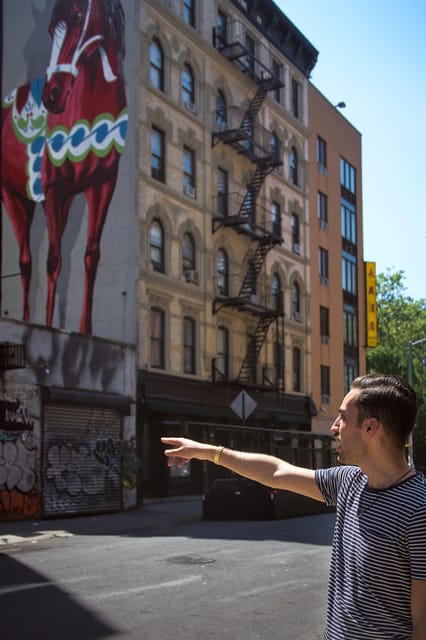
The group is limited to 10 participants. That is small enough for direct questions and easier conversation, especially when the group is standing on a busy sidewalk. It also means the guide can respond to the interests of the people on the walk rather than delivering a fixed speech to a large crowd.
The tour is wheelchair accessible and ADA accessible. Since the experience takes place on city streets, it is still sensible to check the route and meeting point when booking if you have specific mobility needs.
Children under 16 are not permitted. This is best suited to older teenagers and adults who enjoy architecture, city planning, design, history, or simply figuring out how New York works.
The tour is conducted in English. David is the only guide named for the experience, so you can expect the walk to have a consistent personal style rather than a rotating cast of guides.
Is $70 a fair price?
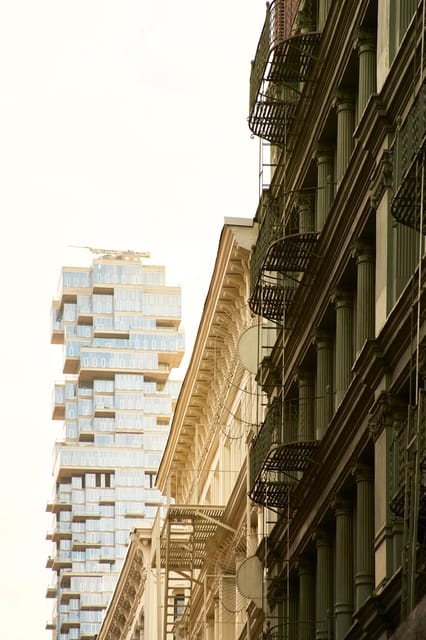
At $70 per person, the tour costs more than a basic neighborhood stroll, but the comparison is not quite fair. You are paying for a small group, a specialized subject, and two and a half hours with a guide whose professional background is tied to architecture and urban design.
That works out to about $28 per hour before considering the group limit and the guide’s preparation. For someone who wants only quick photo stops, the price may feel high. For you, if the goal is to understand why Manhattan looks the way it does, the cost is reasonable.
The value also depends on how actively you participate. Ask questions. Point out buildings that puzzle you. Try applying the planning ideas to the next block. The more curious you are, the more useful the tour becomes.
The walk also has a practical booking advantage: you can reserve now and pay later, and cancellation is free up to 24 hours before the start time. Check availability for the exact starting time, since times vary.
Weather and planning tips
Wear comfortable walking shoes and clothing suited to the forecast. Bring water in summer, and do not assume that a short city walk will feel easy in heat or rain.
For poor weather, watch for an update the day before. The tour may be canceled or rescheduled if conditions are unsuitable. Since the experience takes place outdoors, this is an important point to consider when fitting it into a tightly planned New York visit.
Allow a little extra time to reach the meeting point. The Chelsea location is not used for every route, so confirm the correct starting place before setting out.
Who should book this Manhattan walk?
I would recommend it to you if you enjoy asking how cities work. It is also a good fit if you have already seen the Empire State Building, the Statue of Liberty, or the usual Midtown sights and want a different kind of afternoon.
Architecture students, design fans, urban planning enthusiasts, photographers, and repeat New York visitors should find plenty to think about. The tour may also suit you if you like history but prefer it tied to visible places rather than presented as a long list of dates.
I would be less likely to recommend it to children under 16, visitors who dislike walking, or anyone looking mainly for famous landmarks and dramatic interiors. This is an interpretive street walk. Its reward comes from noticing details and connecting ideas, not from entering a long series of grand buildings.
Should you book it?
Book this tour if you want Manhattan explained from the sidewalk up. David’s background, the maximum group of 10, and the four-part structure give the experience a clear purpose. Choose Chelsea and the Meatpacking District for a varied development story, the Lower East Side and SoHo for older buildings and changing uses, or the Financial District for density, mapping, and high-rise development.
Skip it if you want a quick landmark checklist or an all-indoor activity. For everyone else, $70 buys a thoughtful, focused walk that can change how you read the rest of New York.
FAQ
How long is the Manhattan Architecture and Urban Design Walk?
The tour lasts 2.5 hours. Check availability for the starting times offered on your chosen date.
Which neighborhoods does the tour visit?
The walk takes place in Chelsea and the Meatpacking District, the Lower East Side and SoHo, or the Financial District. Each route covers the same main topics, but the buildings and streets differ.
Who leads the tour?
David leads the walk. He has given tours in New York since 2018, studied urban design at Parsons School of Design, and has worked with architecture firms and agencies connected to architecture, hospitality, design, and real estate development.
Is the tour wheelchair accessible?
Yes. The activity is listed as wheelchair accessible and ADA accessible.
Is food included?
No. Food and drinks are not included. There is a 15-minute break, and you have opportunities to stop indoors for a snack or beverage.
Can children join the tour?
No. The tour is not suitable for children under 16.
Newly added in New York City
- Race to the Sky: NYC Architecture Tour With SUMMIT One Ticket★ 5.0 · 3 reviews
- New York Upper East Side Art and Architecture Tour★ 5.0 · 3 reviews
- New York Upper West Side Art and Architecture Tour★ 5.0 · 4 reviews
- Private Flatiron Food, History and Architecture Tour★ 5.0 · 8 reviews
- Chelsea and the High Line NYC Architecture Walking Tour★ 5.0 · 6 reviews
- New York Soho and the Village Art and Architecture Tour★ 5.0 · 4 reviews
- New York Midtown South Art and Architecture Tour★ 5.0 · 2 reviews
- Custom Private New York Architecture, Art and City Tour★ 5.0 · 3 reviews
Walking Tours, compared.

The Official Art Deco Walking Tour by The Miami Design Preservation League
Read our review →
Baroque Architecture and Underground Walking Tour
Read our review →
Chicago in a Day: Food, History & Architecture Walking Tour
Read our review →

Ramblas, Old Town, Gothic and Gaudi Architecture Walking Tour
Read our review →
Chicago’s Secret Interiors Architectural Walking Tour
Read our review →

Browse the lists this tour appears in