
Review · WALKING TOURS
Rotterdam Walk: Hilights, Gems, Architecture & WWII | 2 or 3hrs
Rotterdam’s story is told best on foot, where wartime destruction, bold rebuilding, and old harbor corners appear within a few blocks. This two to three-hour walk links the city’s major sights with places you could easily miss on your own, from the Shipping Quarter to the old harbor.
I like the clear focus on WWII and reconstruction, and I like that the tour does not stop at postcard views. Guides such as Yoreh use old photographs and local stories to show how Rotterdam changed. The main consideration is pace: nine stops in a few hours means you see a lot, but you will not have time to enter every museum or explore each site at length.
Key things to know before you book

- WWII is part of the main story: Learn about the invasion, the bombing, the city’s losses, and the rebuilding that followed.
- The route connects old and new Rotterdam: Walk from Museumpark and historic harbor districts to the Erasmus Bridge, cube houses, and Markthal.
- Yoreh is the standout guide name: He is a lifelong Rotterdam local who uses photographs, humor, and plenty of practical advice.
- The end point is useful: The tour finishes inside Markthal, leaving you near food stalls and the cube house area.
- The group is limited to 15 people: That is small enough for questions and a more personal walk.
- You pay for interpretation, not admissions: The listed price is $49.60 per person, and the stops themselves have no admission charge.
Rotterdam explained through destruction and design
Rotterdam can feel confusing at first. It has old harbor buildings, glass towers, experimental housing, broad streets, and large open spaces. The reason is not simply modern taste. Much of the central city was destroyed during World War II, and Rotterdam chose to rebuild with a forward-looking plan rather than recreate the old center.
That decision gives this walk its shape. You are not just ticking off famous buildings. You are seeing how a port city dealt with loss, then used reconstruction to try new ideas in architecture and city planning.
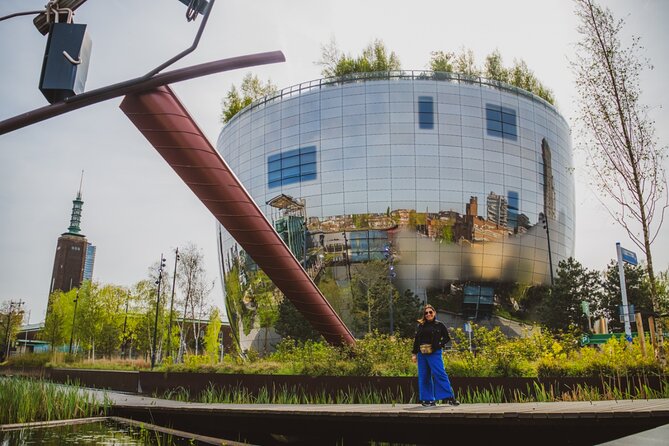
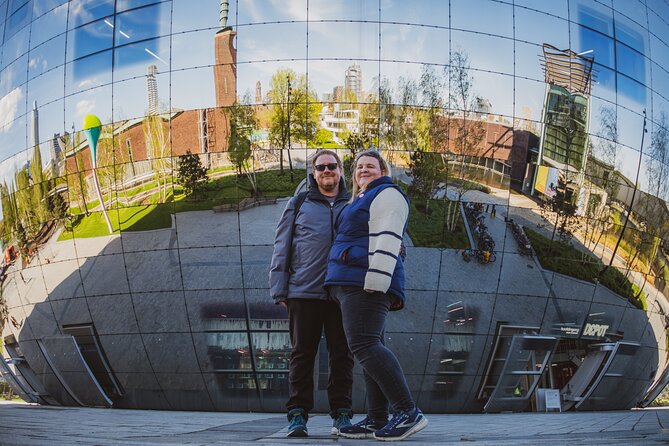
The tour begins at the Vaimoo shared-bike station on Melkkoppad, beside Museumpark. The meeting point is close to the Depot Boijmans Van Beuningen, the striking mirrored art storage building. From here, your guide introduces the Museum District and the former Land of Hoboken.
This first stop lasts about 15 minutes and is more about orientation than sightseeing inside a museum. The Depot’s reflective exterior is a good opening image for Rotterdam: practical, unusual, and designed to make people look twice. You also get a sense of the city’s museum area before moving toward the river.
More Walking Tours in the world:
- Lecce: Baroque Architecture and Underground Walking Tour
★ 4.6 · 1,248 reviews - Chicago in a Day: Food, History & Architecture Walking Tour
★ 5.0 · 1,153 reviews - Ramblas, Old Town, Gothic and Gaudi Architecture Walking Tour
★ 5.0 · 723 reviews
Museumpark to the Shipping Quarter
The walk continues into Nieuwe Werk, also known as the Scheepvaartkwartier or Shipping Quarter. This district helps correct the idea that Rotterdam is only concrete, cranes, and new towers. It has a more open, spacious character, with room to look toward the Maas and across the water.
The scheduled stop lasts about 30 minutes, making it one of the longer pauses. From the river side, you can see Hotel New York, the former headquarters of the Holland-America Line, the steamship Rotterdam, and the Erasmus Bridge.
The value here is the view and the setting. Instead of viewing the city from a single lookout, you connect several landmarks to Rotterdam’s port identity. Your guide can explain how ships, migration, trade, and river traffic shaped the city.
This part may be especially useful if you have only seen Rotterdam from the train or central shopping streets. It gives you the open harbor feeling that is easy to miss inland. At the same time, the route is still a walking tour, so the focus remains on explanation rather than lengthy photo stops or visits inside Hotel New York or the ship.
The Erasmus Bridge and Rotterdam’s wartime turning point
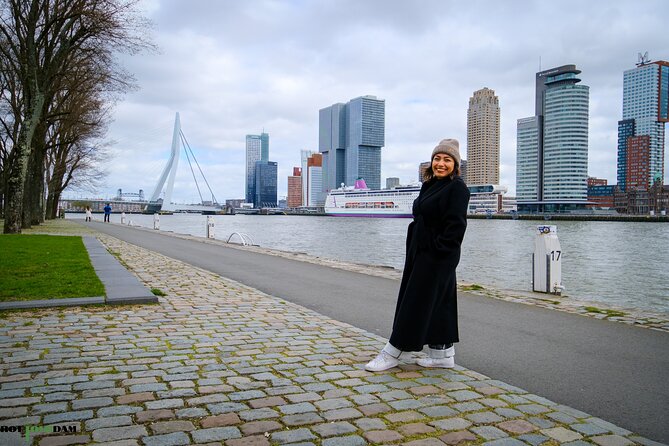
The Erasmus Bridge is the visual centerpiece of the route. Its white cable-stayed form crosses the Maas and links Rotterdam’s northern and southern sections. It is often called the Swan because of its curved shape, though the tour’s more important purpose here is to connect the bridge with the city’s wartime story.
Expect roughly 20 minutes at this stop. Your guide discusses the invasion of the Netherlands, the bombing of Rotterdam, and the impact of the Second World War on the city.
This is where the walk’s visual aids matter. Yoreh is repeatedly praised for bringing historic photographs that show what the city looked like before and after the destruction. That approach makes the story easier to grasp than a list of dates. You can compare the present-day riverfront with older images and understand that the modern skyline is not simply the result of gradual growth.
The bridge itself is a good place to discuss change. It represents connection and movement, but it also sits in a city whose center had to be rebuilt after sudden devastation. That contrast gives the tour more weight than a standard architecture walk.
A floating museum district near the Maritime Museum
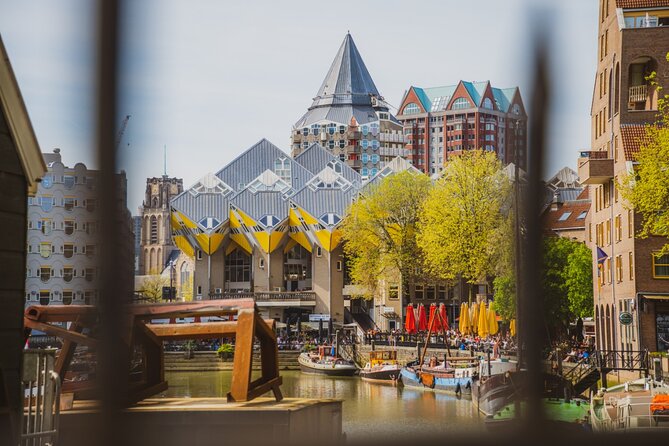
Next comes the Maritime Museum area, where the tour spends about 10 minutes. The route passes historic boats, including vessels that are more than a century old. The guide treats the waterfront as an open-air museum, so you can see how Rotterdam’s working harbor past survives among modern buildings.
This is a short stop, and that matters. You should not expect an extended examination of every boat or a full museum visit. Instead, the guide gives you the context needed to recognize why these vessels matter and how unusual it is to have so many old boats gathered in the middle of the city.
For me, this is one of the useful transitions in the walk. The Erasmus Bridge offers scale and modern engineering. The Maritime District brings you back to the city’s practical port life. Rotterdam’s identity makes more sense when those two sides are seen together.
A few more architecture walks in the world worth a look
- Chicago Architecture River Cruise
★ 5.0 · 15,756 reviews - Chicago River 90-Minute Architecture Tour
★ 4.5 · 9,629 reviews - Chicago River: 1.5-Hour Guided Architecture Cruise
★ 4.8 · 8,046 reviews - Chicago Architecture Center River Cruise aboard First Lady
★ 5.0 · 5,536 reviews
The Destroyed City at Square 1940
The statue The Destroyed City by Ossip Zadkine is one of the tour’s most important stops. It sits at Square 1940 and serves as a memorial to Rotterdam’s wartime destruction.
The stop lasts about 10 minutes, but the subject deserves attention. The sculpture is not just another public artwork. It gives physical form to a city in pain, and it helps explain why WWII remains central to Rotterdam’s identity.
A strong guide will help you read the statue without reducing it to a quick photo opportunity. The surrounding square provides a natural pause in the walk, and the sculpture’s meaning links directly to the earlier discussion at the Erasmus Bridge. You have seen the city’s rebuilt face. Here, you confront what was lost.
This is also a good example of why the tour works better with local interpretation. Without context, you might pass the statue and admire its shape. With the story attached, you understand why it matters.
Witte Huis and the old harbor
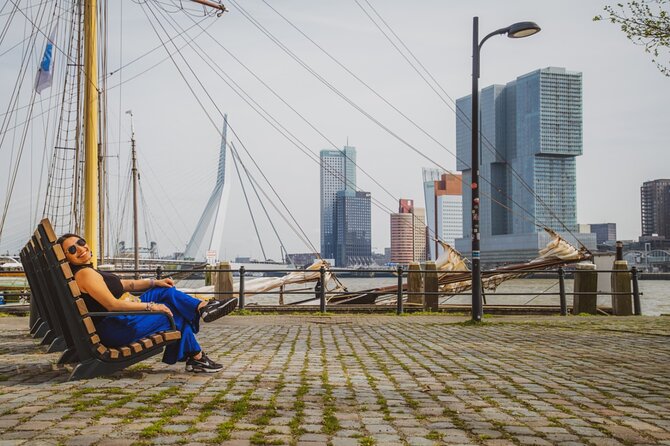
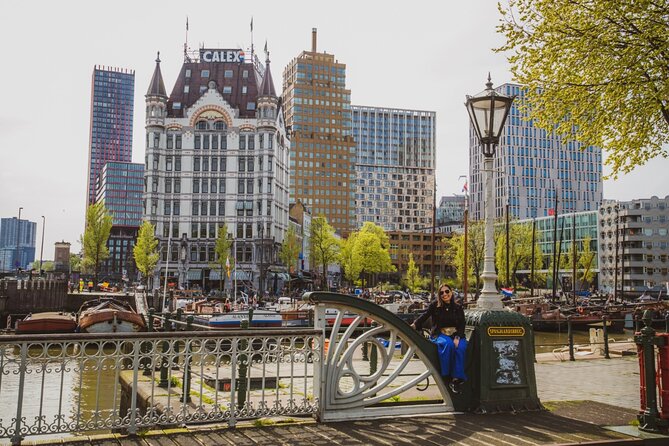
The Witte Huis, or White House, offers a different kind of historical contrast. Built as an office tower, it was once the tallest office building in Europe. The tour spends about 15 minutes here, explaining its place in Rotterdam’s early modern development.
After the destruction and postwar rebuilding, it can be easy to assume every old building vanished. Witte Huis shows that the city had important architectural ambition before WWII as well. It helps fill in the gap between Rotterdam’s prewar commercial world and its later experiments.
From there, the route reaches Oude Haven, one of the oldest harbors in the Netherlands. This is a more relaxed section, with a cozy waterfront feel and views toward the cube houses.
The old harbor is a useful pause because it gives you time to absorb the contrast between historic boats, older buildings, and the unusual geometry nearby. You can also begin to see how Rotterdam places very different architectural periods side by side rather than keeping them in separate zones.
Walking beneath the cube houses
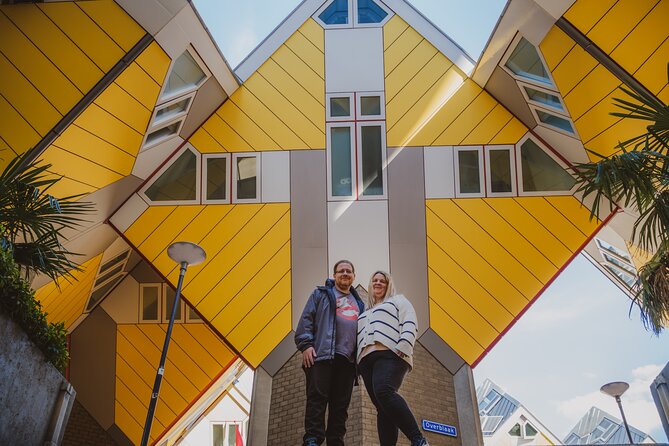
The cube houses are among Rotterdam’s most famous sights, and the tour gives them about 10 minutes. That may sound brief, but the guide explains the basic idea as you walk through Overblaak, the street sometimes described as a concrete forest.
The houses are tilted cubes raised above the ground, creating an odd mix of private homes, public space, and angled walls. Their design is not easy to understand from one photograph. Walking below them gives you a better sense of how the structures affect the street and how unusual the project feels at ground level.
Your guide explains why they were built, how the architecture works, and what it is like to move through the area. The tour does not include entry to the demonstration cube house, so you should allow extra time afterward if you want to see an interior.
That is one of the practical advantages of ending nearby. You receive the explanation first, then you can decide if you want to pay for and enter the demo house on your own. This keeps the walk moving while leaving you control over how much time to spend inside.
Markthal and the colorful finish
The final stop is Markthal, where the tour ends inside the building. The scheduled explanation lasts about 15 minutes, but you will likely want to stay longer once the walk is over.
Markthal combines apartments, food stalls, and a large covered market beneath a vast curved arch. The interior artwork covers the ceiling above the market and is the reason locals compare it to a modern Sistine Chapel. Your guide explains the building’s design and points out the details that are easy to miss when you are focused on finding lunch.
This is a smart ending. You finish with food, color, and a place where you can continue exploring without arranging another transfer. The market is also a good spot to test the guide’s recommendations. Yoreh and the other Rottourdam guides offer suggestions about what to eat and what to see next.
The tradeoff is that Markthal can be busy, and the tour itself does not include a meal or tasting. Think of the final stop as an introduction, not a food tour.
What the guides add to the walk
The strongest part of this experience is the guide’s ability to connect facts to places. Yoreh is the guide most often named, and he is described as a Rotterdam native with a strong personal connection to the city. Elmore is another guide associated with the experience.
You can expect an energetic style, humor, and plenty of answers to questions. Yoreh also uses old photographs as visual aids. That is particularly helpful in a city where large parts of the center look newer than their true story.
The guide’s local advice is another practical benefit. You can ask about museums, architecture, food, gardens, and places to return to after the walk. Several people who took the tour went back to sites mentioned during the route, which is a good sign that the walk gives you more than a fixed two-hour schedule.
Book it early in your stay if you can. You will learn where the main sights are, get ideas for the rest of your time, and avoid wasting a day wandering between districts without context.
Time, price, and practical tradeoffs
The price is $49.60 per person, with group discounts available. Since the tour is capped at 15 people and includes a local guide for roughly two to three hours, I consider it fair for visitors who want a fast, well-organized introduction rather than a self-guided route.
You are not paying for entry tickets. The listed stops are viewed from public areas, and the cost goes toward the guide’s time, route planning, storytelling, and local knowledge. If you only want to photograph the Erasmus Bridge and cube houses, you can do that for less. If you want to understand why those sights look the way they do, the fee makes more sense.
Wear comfortable shoes. The route covers several districts and includes time outdoors by the river. The experience requires good weather, so a cancellation caused by poor conditions may lead to another date or a full refund.
The tour is offered in English, includes a mobile ticket, and allows service animals. It is near public transportation, and most people can participate. The group size limit of 15 helps, though the walk may still feel active if the guide is covering all nine stops within the shorter two-hour version.
Free cancellation is available up to 24 hours before the start time. Changes made inside that window are not accepted, and cancellations within 24 hours are not refunded. The tour also requires a minimum number of participants, so a date can be changed or refunded if that minimum is not reached.
Who should book this Rotterdam walk?
I would book this if you are visiting Rotterdam for the first time, especially if you want architecture and WWII history in equal measure. It also works well before a cruise or on your first day in the city, since the end point gives you easy access to food and nearby sights.
It suits curious walkers who enjoy asking questions and comparing old photographs with the present city. It is less suitable if you want long museum visits, a slow photography session, or a food tasting included in the price.
The route gives you a strong outline of Rotterdam: Museumpark, river views, the Erasmus Bridge, maritime remains, a war memorial, Witte Huis, Oude Haven, cube houses, and Markthal. You will still need extra time for interiors and personal exploration, but you will know where to go and why each place matters.
Should you book it?
Yes, if you want Rotterdam to make sense quickly. The best reason to book is the mix of local storytelling, wartime context, and bold architecture, not simply the number of sights.
You will cover a lot in a short time, and the guide’s photographs help turn modern buildings into part of a human story. Just plan to return to the Markthal, cube houses, or a museum afterward if you want more than an introduction. For a first look at Rotterdam with a lively local guide, this walk offers solid value.
FAQ
How long does the Rotterdam walking tour last?
The tour takes approximately two to three hours. The exact length can vary within that range.
Where does the tour start?
It starts at the Vaimoo shared-bike station on Melkkoppad, Museumpark 20, 3015 CX Rotterdam.
Where does the tour end?
The tour ends inside Markthal at Verlengde Nieuwstraat, 3011 GX Rotterdam. From there, you can continue exploring Markthal or visit the demonstration cube house independently.
Is entry to the museums and attractions included?
The listed stops have no admission charge because the tour views them from public areas. Entry to places such as the demo cube house is not included and can be done on your own afterward.
How many people can join the tour?
The experience has a maximum of 15 participants.
Can I cancel for a full refund?
Yes. You can cancel at least 24 hours before the start time for a full refund. Cancellations made less than 24 hours before the start are not refunded.
Newly added in the world
- Barcelona: Guided tour e-bike Barcelona historical and modernist Barcelona★ 4.5 · 5 reviews
- Barcelona Architecture Walking Tour With Casa Batlló Upgrade★ 4.8 · 11 reviews
- Astana: Old City Tour, Imperialistic and Soviet Architecture★ 5.0 · 4 reviews
- Barcelona Beyond Gaudí: Modernism, Rooftops, and Hidden Gems★ 5.0 · 2 reviews
- An Architect’s Tour of Downtown Santiago★ 5.0 · 7 reviews
- Architecture Tour: Old Historic Madrid with an architect★ 4.3 · 3 reviews
- London: Architecture Tour of Benjamin Franklin House★ 5.0 · 5 reviews
- Architectural Wonders of KAFD, An Iconic Destination★ 5.0 · 3 reviews
Walking Tours, compared.
The Official Art Deco Walking Tour by The Miami Design Preservation League
Read our review →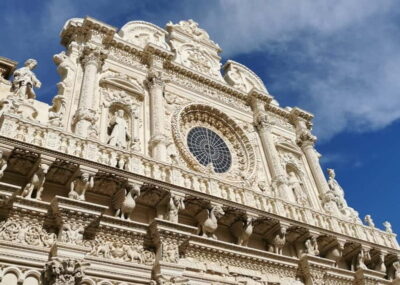
Baroque Architecture and Underground Walking Tour
Read our review →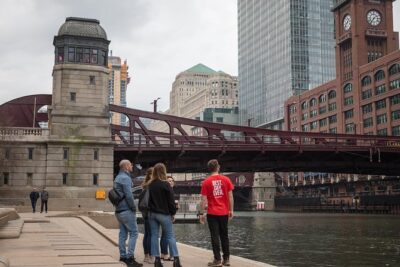
Chicago in a Day: Food, History & Architecture Walking Tour
Read our review →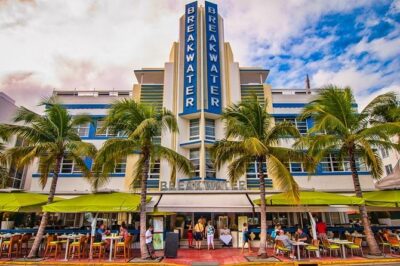

Ramblas, Old Town, Gothic and Gaudi Architecture Walking Tour
Read our review →
Chicago’s Secret Interiors Architectural Walking Tour
Read our review →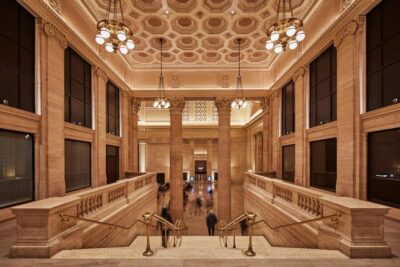
Browse the lists this tour appears in