
Review · WALKING TOURS
Holdouts: A NYC Architecture Walking Tour
New York’s tallest buildings often tell only half the story. This tour shows you the smaller buildings, stubborn owners, old businesses, and odd legal battles that forced skyscrapers to grow around them. At $59 per person, you get a two- to three-hour walk through Midtown with guide Rob, whose talks range from architecture to housing, air rights, and city planning.
I like the very small groups, capped at five, because they make it easier to ask questions and adjust the pace. I also like the unusual route: you’ll see Grand Central and Rockefeller Center, but the real subject is the city’s overlooked corners, including a 19th-century brownstone enclosed within a modern tower.
The main caution is pace. One recent outing felt rushed, especially when time spent studying printed building images at the start left less room for photos and questions. Wear good walking shoes, and tell Rob early if you want a slower walk or more time at each stop.
Key points to know before you book
- Small groups make the tour conversational: The maximum is five people, allowing room for questions and a more flexible pace.
- The subject is architectural holdouts: You’ll learn how owners, businesses, leases, and property rights shaped Midtown’s unusual streets.
- Rob brings a broad city view: Expect more than building dates. Talks can include skyscraper design, privately owned public spaces, air rights, housing, and urban planning.
- The route links overlooked sites with major landmarks: You’ll pass Wollensky’s Grill, Amster Yard, Grand Central Terminal, Brooks Brothers, and Rockefeller Center.
- The finale is especially memorable: At Papillon Bistro and Bar, you can see how a brownstone became enclosed within a later skyscraper.
- Bring comfortable shoes and a camera: The walk covers Midtown on foot, and the route offers striking views that deserve time to photograph.
Why Midtown’s holdouts make a better story than a standard skyline tour
A holdout is a property that remains in place while larger buildings rise around it. Sometimes the owner refuses to sell. Sometimes a lease, business arrangement, or legal right keeps the site alive. The result is a city block that looks slightly strange until you know what happened.
That is the simple idea behind this walk, but the subject quickly opens into a larger story. You’ll hear how Manhattan’s building boom changed the shape of Midtown, how air rights affect what can be built above a property, and how privately owned public spaces fit into the city.
I like this approach because it teaches you how to read New York. Instead of seeing only a wall of towers, you begin to notice the narrow gaps, older facades, odd setbacks, and buildings that seem too small for their surroundings.
The tour also has a human scale. A holdout is not just a planning puzzle. It can represent a business owner, a property owner, a tenant, or a family that refused to disappear when developers came calling. That gives the walk a social side without turning it into a lecture about real estate.
More Walking Tours in New York City
- Tribeca Architecture And History Walking Tour
★ 5.0 · 141 reviews - TriBeCa Architecture & History Walking Tour
★ 5.0 · 37 reviews - Midtown Manhattan Art and Architecture Walking Tour
★ 5.0 · 32 reviews
Starting inside TPR Holdings on Third Avenue
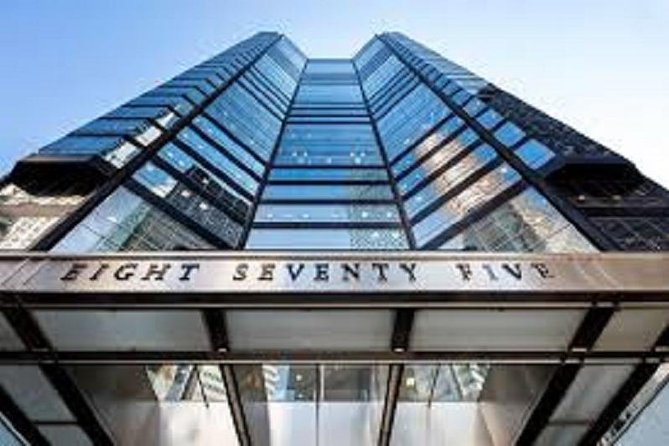
The meeting point is 875 Third Avenue, where the tour begins in the lower lobby of TPR Holdings. This is a useful opening because the building itself is tied to the holdout story.
Rob uses the first part of the walk to explain the route and set up Midtown’s growth. You may also look at printed building images while he lays out the basics. That background helps, but it is the one part of the tour where time management matters most.
If you want photographs or a slower start, say so at the beginning. One outing moved quickly after the opening discussion, and the participant felt there was not enough time to stop for pictures or questions. Rob’s response made clear that he tries to match the group’s pace, so speaking up early should help him judge what you want.
The opening also introduces the kind of detail that makes this walk different from a basic architecture tour. You are not simply being told when a building was completed. You are learning why a tower looks the way it does and what had to remain in place before construction could proceed.
A buggy-whip factory at Wollensky’s Grill
Wollensky’s Grill is a quick stop, but it has an entertaining industrial past. The building was once a buggy-whip factory and is also connected to a holdout story.
That contrast is classic New York. A place now associated with dining and Midtown culture once served a very different city, when horse-drawn transport shaped daily life. The stop helps you see how rapidly the neighborhood changed, even when some buildings survived the transition.
You will not spend long here, so keep your camera ready. The value is less about entering the restaurant and more about understanding how an older commercial building remained part of a district racing toward larger and taller construction.
Amster Yard, an older pocket of quiet
If Amster Yard is open during your walk, you’ll step inside briefly. This small oasis offers a sharp change from the traffic and towers outside.
The appeal is its sense of layered time. Here, the city feels less like a grid of office buildings and more like a much older settlement folded into Midtown. The description of it as a place where the city meets the suburbs points to its unusual character, though your access depends on whether it is open that day.
This is one of the places where the tour’s subject becomes physical. You can feel how a small enclosed space resists the scale of the avenue around it. Keep expectations realistic: the visit is brief, about five minutes, but that is enough to understand why such a pocket matters.
More Walking Tours in the USA
- Midtown North NYC Architecture Walking Tour
★ 5.0 · 28 reviews - Financial District NYC Architecture Walking Tour
★ 5.0 · 26 reviews - The Official Art Deco Walking Tour by The Miami Design Preservation League
★ 5.0 · 1,580 reviews - Chicago in a Day: Food, History & Architecture Walking Tour
★ 5.0 · 1,153 reviews
Sparks Steak House and the darker side of Midtown
Sparks Steak House brings a different kind of story. The site is known for a notorious mob hit, and it sits beside an interesting holdout.
That stop adds some edge to the architectural theme. Midtown is not only a parade of famous towers and polished lobbies. Its streets also carry stories of crime, power, business, and sudden violence. Rob uses the location to connect the building next door with the broader question of how properties survive and how streets acquire their present shape.
As you continue, the route offers strong views of a major landmark and a look down the block toward the Secretariat Building. These passing views matter because the walk is not arranged as a series of isolated addresses. You keep seeing how one property affects the next, and how holdouts alter the way a whole street reads.
Reaching 42nd Street and passing through Grand Central
The downtown portion ends at 42nd Street, where a single holdout survived the area’s long transformation. This is a good point to pause and consider the central idea: one property can preserve a fragment of an earlier Midtown even as everything around it changes.
From there, the route heads west and then uptown, passing through Grand Central Terminal. Grand Central is not itself a holdout, but Rob may give you a short explanation of this landmark while you are inside.
That brief Grand Central segment adds welcome variety. You are not walking past the terminal without context, yet the stop does not pretend to be a full terminal tour. If you already know the building, you may appreciate the quick architectural and historical connection. If you are seeing it for the first time, consider returning later for more time.
The route also passes a building described as a city within a building, still under construction at the time of the tour information. That detail reflects how quickly Midtown keeps changing. The same streets that preserve old structures are also making room for new projects.
Brooks Brothers, crystal shards, and Terminal City
Near Brooks Brothers, you’ll see how a historic New York institution had a holdout as a neighbor. Again, the point is not simply the store. It is the relationship between an established property and the larger buildings that developed around it.
The walk then takes in a building that looks like a crystal shard or an iceberg viewed from the side. This kind of quick architectural observation gives the tour a lighter rhythm. You learn to notice form, angles, and how a tower presents itself from different positions on the street.
Another stop recalls Terminal City, the group of hotels once linked to Grand Central in the years before air travel. One sole survivor remains from that period. It is a useful reminder that transportation shaped Midtown long before airports and ride apps became part of city life.
The route continues with more examples of the way holdouts changed the city’s appearance. You’ll also pass the block where roughly $440 million in diamonds are traded each day. The entrance is a block north, marked by 12-foot diamond sculptures near Fifth Avenue. This is not a stop where you enter the diamond district, but it adds another layer to Midtown’s commercial identity.
Rockefeller Center and the holdouts built into a famous complex
Rockefeller Center is the largest named stop on the route, with about ten minutes devoted to its holdout stories. Most people come here for the skating rink, Art Deco design, and famous plaza. This tour asks you to look at the complex as a negotiation between grand plans and smaller properties that could not simply be erased.
The history here raises useful questions about who gets to shape a city. A developer may imagine one unified complex, but existing owners, tenants, and legal rights can interrupt that vision. Those interruptions may leave odd corners, unusual alignments, or buildings that seem out of place until someone explains them.
This is also one of the best points for photographs. If the group has been moving quickly, tell Rob you would like a moment to frame the buildings. The walk is designed to cover a lot of ground, but the scenery deserves more than a glance.
The final surprise at Papillon Bistro and Bar
The walk ends at 22 East 54th Street, near Papillon Bistro and Bar. This is the strongest example of the tour’s theme because it is better described as a hold-in than a holdout.
A restaurant proprietor negotiated extra square footage so the restaurant could expand into a future skyscraper. The result is remarkably strange: you can enter the modern tower and stand within the walls of a 19th-century brownstone.
This ending works because it turns an abstract planning issue into something you can physically experience. The old structure is not merely preserved beside the tower. It is incorporated into it. You see how a business arrangement and a development project produced a space that would be difficult to imagine without the story.
It is also a fitting final lesson. Midtown is not a clean replacement of old buildings by new ones. It is a layered negotiation, with traces of earlier New York still visible inside the modern city.
What Rob adds to the experience
The strongest part of this tour is Rob’s range. He is not limited to memorized facts about facades. He can connect a building to the history of skyscrapers, city planning, housing, leases, air rights, and privately owned public spaces.
The small group size helps. With no more than five people, you can ask about a detail on the street or follow a question into a related subject. The experience can feel like a conversation rather than a fixed speech, especially when the group shares an interest in urban history.
Past outings have also varied in length. A group of only one person received an extra hour, which suggests that the exact duration can depend on group size and discussion. The advertised time is two to three hours, so plan for that range, with the possibility of more time if the conversation develops.
Rob’s own replies show that he wants to adjust to the people in front of him. Still, I would not leave your preferences unspoken. Tell him if you care most about photography, architecture, local history, or planning, and let him know if you need a steadier pace.
Is $59 a fair price?
At $59, this is not the cheapest way to walk through Midtown. You are paying for a small group and an expert-led interpretation rather than admission to a museum or observation deck.
The value is strongest if you enjoy asking questions and want a more thoughtful explanation of why Midtown looks as it does. The route covers many public sites, so the fee is mainly for Rob’s time, research, and ability to connect scattered buildings into one story.
It is less suitable if you want a relaxed stroll with long stops at each landmark. The route is active, the duration can reach three hours, and some stops last only five minutes. You are paying for range and context, not a series of extended building visits.
The 4.8 rating from 31 ratings and 97 percent recommendation indicate a strong record, but the practical lesson is more useful than the numbers: most of the value comes from the guide’s explanations and the small-group format. If that appeals to you, the price is reasonable for New York.
Who should book this Midtown walk?
I would choose this tour if you have already seen the obvious Midtown sights and want to understand them differently. It suits people interested in architecture, urban planning, local history, real estate, and the odd stories that make a city memorable.
It is also a good choice for repeat visitors. The route teaches you to look up and around, so you may keep noticing unusual setbacks, narrow structures, and preserved facades long after the walk ends.
I would be more cautious if you dislike walking, want a fixed slow pace, or need extended photo stops at every landmark. The tour requires moderate physical fitness, comfortable shoes, and enough energy for a route across Midtown.
Service animals are allowed, and the tour is near public transportation. It is offered in English and uses a mobile ticket. Free cancellation is available up to 24 hours before the start time. Poor weather or failure to reach the minimum number of people can lead to a new date or a full refund.
Should you book Holdouts?
Book it if you want New York to make more sense, not just look impressive. The best moments come when a small, easily missed building explains an entire block of skyscrapers.
I especially recommend it for architecture fans, repeat visitors, and curious first-time visitors who prefer street-level stories to a standard sightseeing loop. Go ready to walk, listen, ask questions, and leave room for Rob to follow an interesting thread.
If your priority is a leisurely pace with lots of photographs, set that expectation at the start. With that small adjustment, this unusual Midtown route offers a smart way to see the city’s past still working its way through the present.
FAQ
Where does the tour begin?
The tour begins at 875 Third Avenue in New York City, in the lower lobby of TPR Holdings.
Where does the tour end?
It ends at 22 East 54th Street, near Papillon Bistro and Bar.
How long does the walking tour last?
The tour lasts approximately two to three hours.
How much does the tour cost?
The listed price is $59 per person.
How many people can join the tour?
The tour has a maximum of five participants.
Is the tour offered in English?
Yes. The tour is offered in English.
What should I wear?
Comfortable walking shoes are recommended. You should also be prepared for a moderate level of physical activity.
Does the tour include admission tickets?
The experience includes a professional guide. The listed stops have free admission, and the tour does not list separate admission tickets as an inclusion.
Is Grand Central Terminal part of the tour?
Yes. The route passes through Grand Central Terminal, where a short informal tour may be possible. Grand Central is not itself connected to a holdout story on this route.
Can I cancel for a refund?
Yes. You can cancel at least 24 hours before the start time for a full refund. Cancellations or changes made less than 24 hours before the start time are not accepted for a refund.
What happens if the weather is poor?
If poor weather causes the tour to be canceled, you’ll be offered another date or a full refund. The same choice applies if the minimum number of participants is not reached.
Newly added in New York City
- Manhattan Architecture Photography Tour★ 5.0 · 24 reviews
- Midtown North NYC Architecture Walking Tour★ 5.0 · 28 reviews
- Financial District NYC Architecture Walking Tour★ 5.0 · 26 reviews
- Midtown Manhattan Art and Architecture Walking Tour★ 5.0 · 32 reviews
- TriBeCa Architecture & History Walking Tour★ 5.0 · 37 reviews
- New York City: Flatiron Food, History, and Architecture Tour★ 4.8 · 43 reviews
- New York City: Art Deco and Architecture Landmarks Tour★ 5.0 · 76 reviews
- 3 Hour Midtown Manhattan Architectural Tour★ 5.0 · 81 reviews
Walking Tours, compared.
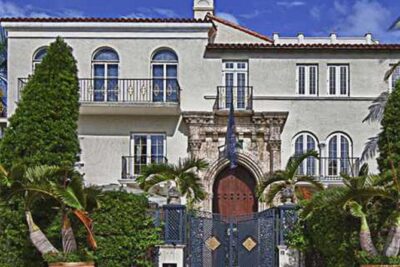
The Official Art Deco Walking Tour by The Miami Design Preservation League
Read our review →
Baroque Architecture and Underground Walking Tour
Read our review →
Chicago in a Day: Food, History & Architecture Walking Tour
Read our review →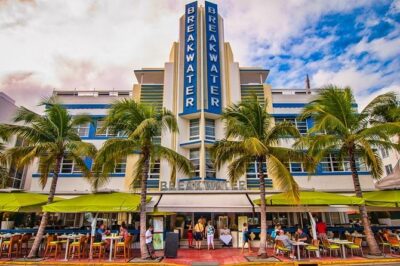

Ramblas, Old Town, Gothic and Gaudi Architecture Walking Tour
Read our review →
Chicago’s Secret Interiors Architectural Walking Tour
Read our review →
Browse the lists this tour appears in