
Review · WALKING TOURS
Private Tour: Venice Art and Architecture Walking Tour
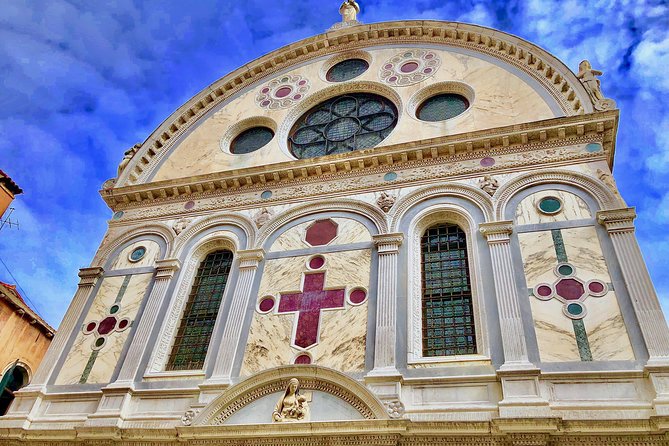
Venice’s best architectural surprises often sit away from the Grand Canal. This private walk leads you through quieter lanes to San Giovanni and Paolo, home to Gothic stonework and Venice’s largest stained-glass window, then on to the small, polished façade of Santa Maria dei Miracoli. You also pass Marco Polo’s former home and hear how politics, trade, religion, and water shaped the city.
I like the private format, since you can ask why a building looks the way it does instead of simply following a flag through a crowd. I also like the route’s less obvious corners, including Campo San Bartolomeo and the narrow passageways around Santa Maria Nova. The main caution is price: at $343.17 per person, this is a serious spend for two hours, and the quality depends heavily on your individual guide.
Key points to know before booking
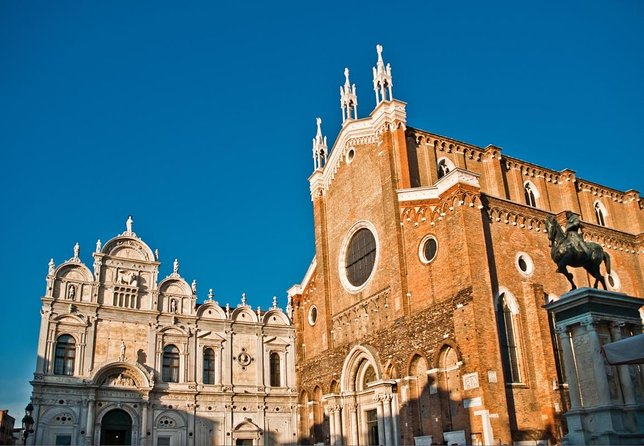
- San Giovanni and Paolo is the main event: Plan on substantial time inside this large church, with Gothic architecture, religious art, sculpture, and the celebrated stained-glass window.
- The route avoids much of the central crush: You walk through quieter streets and across small bridges rather than spending the whole time around St. Mark’s Square.
- A private guide can shape the conversation: Guides such as Lucia, Marie Therese, Iffygenia, Alessandra, and Antonella have received praise for adapting explanations to different ages and interests.
- The tour ends away from the starting point: You begin at Campo San Bartolomeo and finish in Campo dei Santi Giovanni e Paolo.
- Church and museum fees are extra: Bring money for any admission required at the stops, and dress suitably for church visits.
- Two hours goes quickly: This is an introduction to Venetian art and architecture, not a full survey of the city’s palaces, Grand Canal buildings, or major museums.
What this private Venice walk really offers
This experience is less about checking off famous sights and more about learning to read Venice as you walk. You see how buildings, squares, canals, and churches fit together, while your guide explains the cultural and political forces behind them.
That private setting matters. In a large group, you often hear a short speech and move on. Here, you can ask about a carved figure, a façade, a church plan, or the way Venice was built over water. One guide, an architect by training, used books and illustrations to explain how Venetian structures were put together. That sort of visual explanation can make the city’s stonework much easier to understand.
The experience is not guaranteed to be a strict art lesson. Some guides may spend more time on Venetian history, daily life, politics, or the city’s problems with high water and sinking ground. That can be a plus if you want a broader introduction to Venice. It can disappoint you if you expect a specialist lecture on individual paintings and sculptures.
The supplied price is $343.17 per person, so value depends on your group size and your goals. For a family or small group that wants its own guide, the cost may make sense, especially if you use the private time to ask detailed questions. For one or two people seeking only a general orientation, it is expensive compared with a standard group walk.
More Walking Tours in Italy
- Lecce: Baroque Architecture and Underground Walking Tour
★ 4.6 · 1,248 reviews - Experience Florence’s Art and Architecture on a Walking Tour
★ 5.0 · 318 reviews - Palermo: Art and Architecture Walking Tour
★ 4.7 · 136 reviews
Campo San Bartolomeo gives you an easy city starting point
The meeting point is Campo San Bartolomeo, near the Rialto area. This square is a useful place to begin because it puts you in central Venice but not directly in the crowded theater of St. Mark’s Square. The statue of playwright Carlo Goldoni provides a clear feature to look for.
You receive an overview of the square and its place in Venetian life before heading into the surrounding lanes. This first half hour can help you get your bearings, especially if Venice is still a maze of bridges and dead ends in your mind.
The meeting point can be tricky to find on a first visit. I would locate it earlier in the day rather than relying on a last-minute search. Optional hotel pickup is available only if your hotel is in the Rialto area, so most people should plan to meet the guide directly at the campo.
Marco Polo’s former home adds a human story
The next stop is identified as Marco Polo House, the former home of the famous Venetian merchant and explorer. Admission is not included, and the available information does not promise a full interior visit, so you should clarify with your guide what you will enter and what you will see from outside.
The real value here is the connection between Venice’s buildings and its trading culture. Marco Polo’s name brings the wider world into the narrow Venetian lanes. It also gives your guide a natural opening to discuss merchants, travel, commerce, and the city’s place between East and West.
This is one of the stops where the guide makes the difference. A good explanation can turn a simple address into a story about how Venetian wealth and contact with distant places shaped architecture and public life. If your interest is strictly in surviving artworks, this stop may feel less important than the churches.
San Giovanni and Paolo deserves close attention
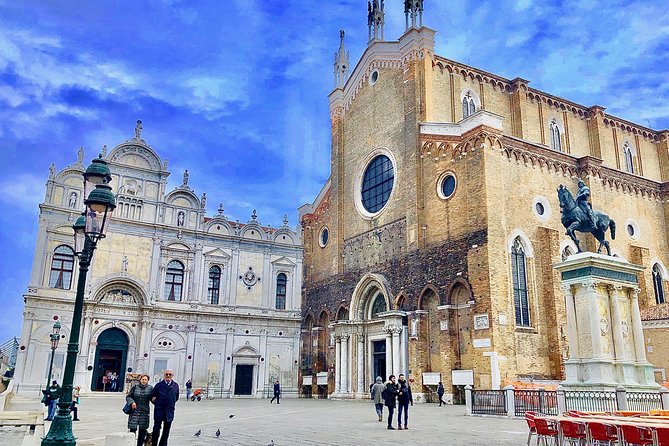
The Basilica dei Santi Giovanni e Paolo is the tour’s biggest architectural stop. The church is known for its Gothic form and its large stained-glass window, described as the largest in Venice. You spend roughly half an hour here according to the planned route, though some guides have devoted much longer to the church.
Look up as you enter. The scale, height, windows, chapels, sculpture, and memorials reward patience. Your guide may point out details you would walk past with a guidebook, including who commissioned particular works, how old they are, and why they matter.
This church is also where expectations need careful handling. Some people want to understand the meaning behind the art, the choices made by artists, and the connection between religious images and Venetian power. Other guides may focus more on dates, names, and the fact that a feature is beautiful. I would tell your guide early that you want interpretation, not just identification.
One visitor found the church absorbing but felt too much time was spent looking at every wall without enough explanation of why the art mattered. Another person with a strong interest in religious art and sculpture felt the guide selected only a few favorite pieces. Those comments point to a useful strategy: ask direct questions and name the subjects you care about. The private format gives you room to do that.
Entrance fees are not included. The tour information also does not state that admission is always required, so confirm the day’s arrangements when you meet your guide. If the church is central to your plans, budget separately for any fee.
Same city, a different facade:
- Naples: San Gaudioso Catacombs Guided Tour
★ 4.7 · 1,105 reviews - Caprarola: Villa Farnese, masterpiece of Renaissance architecture
★ 4.5 · 28 reviews - Best of Bologna in one day : Food, architecture, art and history
★ 5.0 · 27 reviews - City Walk with Architect: Private walking tour of Rome
★ 5.0 · 22 reviews
Santa Maria dei Miracoli shows Venice at a smaller scale
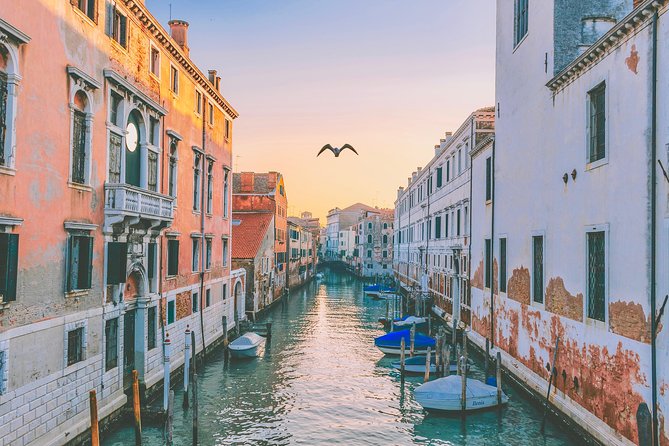
Santa Maria dei Miracoli is a sharp contrast to San Giovanni and Paolo. This small church is known for its beautifully restored early Renaissance façade, with the nearby campo of Santa Maria Nova adding to the setting.
The building is narrow and refined rather than grand. That makes it a useful lesson in Venetian design. You can compare the compact proportions, patterned exterior, and polished Renaissance style with the larger Gothic church you have just seen.
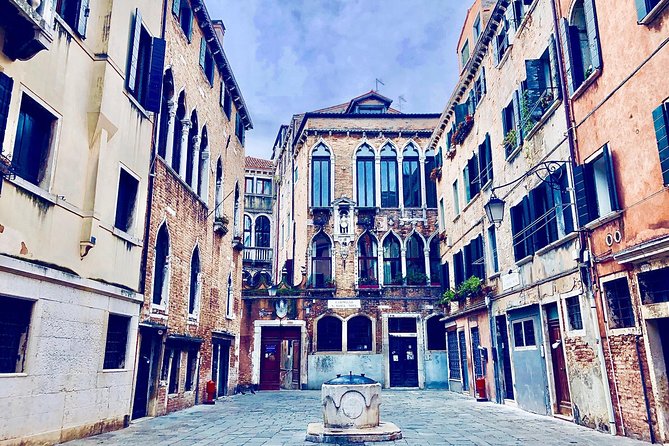
This stop also brings you into the kind of corner that is easy to miss when you rush between Rialto and St. Mark’s Square. The surrounding lanes and footbridges are part of the experience, not simply the route between attractions.
Again, admission is not included. The walk is not designed as a museum visit, and the amount of time spent inside can vary. If Santa Maria dei Miracoli is a priority, tell the guide you want time to study its details rather than only hearing a quick description.
The quieter route is one of the strongest features
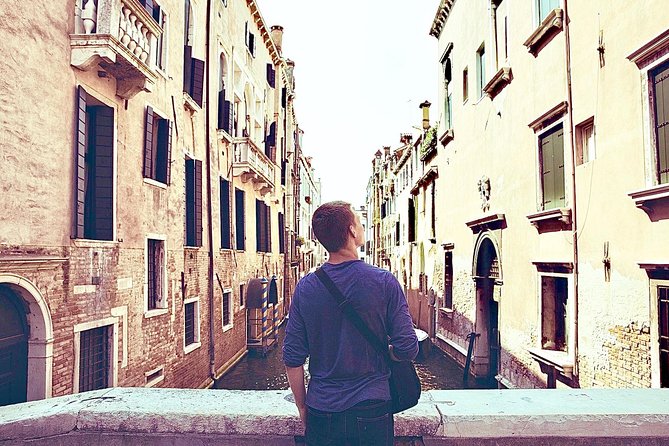
Venice can feel packed around the main landmarks. This route moves through side streets, narrow canals, small bridges, and less obvious campos. You still receive a sense of the city’s famous center, but the emphasis is on places many people pass without stopping.
I especially like this kind of walking in Venice because the city’s character often appears in the transitions. A small bridge, a water-level doorway, a worn wall, or a quiet square can explain more about daily Venetian life than another hurried view of a grand façade.
The route is not completely free of overlap with other city walks. If you have already taken a half-day Venice tour, you may cover some of the same central areas. Tell the guide what you have already seen so the private time can be redirected toward architecture, churches, or local history that is new to you.
The walk finishes in Campo dei Santi Giovanni e Paolo rather than returning you to Campo San Bartolomeo. That is useful if you want to continue exploring the Castello area, but you should plan your next step before the guide leaves.
Guide quality matters more than the printed route
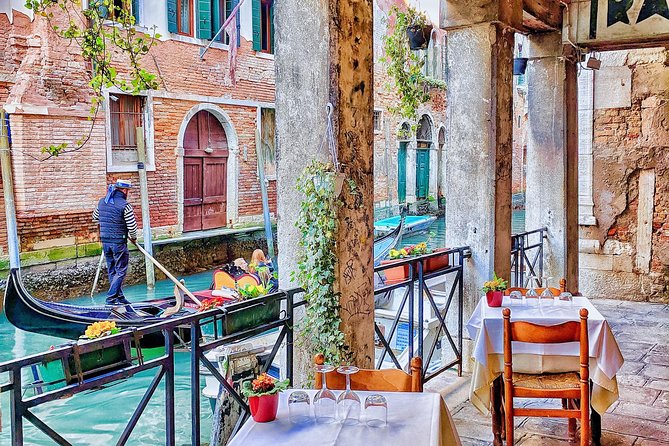
The strongest experiences have come from guides who can adjust the walk to the people in front of them. Lucia has been praised for clear English, a lively manner, and strong knowledge of Venetian art, architecture, food, and city life. Marie Therese has been described as calm, thoughtful, and sharp. Iffygenia received praise for bringing architecture to life and adapting the walk for an 80-year-old guest.
Other guides, including Alessandra and Antonella, have been praised for explaining Venetian styles and helping newcomers learn to look upward at the buildings. A guide who is also an architect can add useful diagrams and construction explanations.
That said, guide quality is not perfectly consistent. Some experiences have felt rushed or flat, and language clarity has occasionally been a problem. One person found it hard to understand the guide’s English and felt that questions about specific buildings were not answered fully.
If you have hearing loss, ask in advance about the use of audio equipment. A small group did not receive voice amplification, which made it difficult for one member to follow. The tour is private, but private does not automatically mean every accessibility need is covered.
Morning or afternoon timing can change the feel
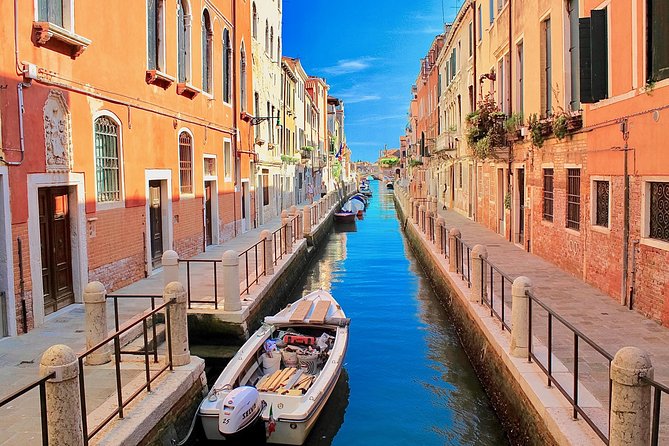
You can choose a morning or afternoon walk. The best choice depends on your wider Venice plans, since the tour does not include a meal, drinks, or transportation back to your hotel.
A morning booking can work well if you want an early orientation before exploring alone. An afternoon booking may suit you after a morning at another sight, but keep in mind that the walk ends at a different campo from where it begins.
Rain is worth planning for. Venice’s narrow lanes and bridges remain interesting in poor weather, but gray skies can make an already information-heavy walk feel less lively. Wear shoes with a secure grip, since you will cross bridges and walk on uneven city paving. That advice is practical rather than a claim about special equipment provided by the tour.
Most people can take part, but the walk lasts about two hours and includes regular city walking. If someone in your group has limited stamina, tell the guide at the start. One guide successfully adjusted the route for an older guest, which suggests that the private format can help when you communicate your needs clearly.
Is $343.17 per person fair value?
The price is high for a two-hour walking tour. You are paying for private attention, not for a long list of included admissions or refreshments. The guide, the private format, and the ability to shape the conversation are the main things you are buying.
For a group of four, six, or a family with children, the cost may be easier to justify. You can slow down for questions, keep children involved, and avoid the strain of a large group. One family with children aged 8 and 13 found the architectural explanations engaging, while another group appreciated a guide who offered ideas for drinks and meals afterward.
For a couple focused on major art collections, I would compare this with a longer specialist tour or a museum guide. The walk does not include the Grand Canal’s palaces, and it does not promise a visit to the major museums. It is best viewed as a focused introduction to overlooked churches and Venetian building styles.
The free cancellation rule helps reduce the booking risk. You can cancel up to 24 hours before the start for a full refund. Changes or cancellations inside that window are not accepted for a refund.
Who should book this walk?
I would choose this experience if you want a private introduction to Venice beyond the standard postcard route. It suits people who enjoy architecture, church interiors, urban history, and asking questions as they walk.
It is also a good fit for families, small groups, and visitors who want to avoid a large tour. The guide can explain Byzantine, Renaissance, Baroque, and Rococo styles at a level that suits beginners, while an architecture enthusiast can ask for more technical detail.
I would hesitate if you want a tightly scripted art-history lecture with guaranteed specialist commentary on every major work. I would also hesitate if the price is difficult to absorb, or if you have already taken a general walking tour covering the same central streets.
FAQ
How long does the Venice Art and Architecture Walking Tour last?
The private walking tour lasts approximately two hours.
Where does the tour start?
It starts at Campo San Bartolomeo, Campo S. Bortolomio, in Venice.
Where does the tour finish?
The walk ends at Campo dei Santi Giovanni e Paolo.
Is hotel pickup available?
Optional hotel pickup is available if your hotel is in the Rialto area. Otherwise, you meet the guide at the stated starting point.
Are church and museum admission fees included?
No. Entrance fees to churches or museums are not included in the tour price.
What languages can the guide speak?
The tour is offered in English, and guides may be available in English, French, German, Italian, or Spanish.
Should you book it?
Book this private walk if you want to see a quieter side of Venice and have a real chance to ask questions about buildings, churches, and Venetian life. San Giovanni and Paolo, Santa Maria dei Miracoli, and the lanes around Marco Polo’s former home give the tour a clear sense of place.
Go in with realistic expectations. The route is short, admission fees are extra, and the quality can vary with the guide. At $343.17 per person, I would book it for a small group that values personal attention and flexible discussion, not simply for a quick list of sights. Tell your guide what you want to learn, ask for interpretation rather than dates alone, and confirm any church access or hearing support before the walk begins.
Newly added in Italy
- Walking tour in Venice with an architect★ 5.0 · 16 reviews
- Venice Art and Architecture Private Walking Tour★ 4.5 · 11 reviews
- Basilica San Marco and the Pala d’Oro with Architect Guide★ 4.5 · 19 reviews
- LECCE: AMONG ARCHITECTURAL TREASURES IN THE LECCE BAROQUE★ 4.7 · 3 reviews
- Martina Franca: Baroque and Rococo Architecture Walking Tour★ 5.0 · 4 reviews
- Noto: Sicilian Baroque Architecture Guided Walking Tour★ 4.3 · 6 reviews
- City Walk with Architect: Private walking tour of Rome★ 5.0 · 22 reviews
- Best of Bologna in one day : Food, architecture, art and history★ 5.0 · 27 reviews
Walking Tours, compared.
The Official Art Deco Walking Tour by The Miami Design Preservation League
Read our review →
Baroque Architecture and Underground Walking Tour
Read our review →
Chicago in a Day: Food, History & Architecture Walking Tour
Read our review →

Ramblas, Old Town, Gothic and Gaudi Architecture Walking Tour
Read our review →
Chicago’s Secret Interiors Architectural Walking Tour
Read our review →
Browse the lists this tour appears in