
Review · WALKING TOURS
Bologna: Guided Architecture Walking Tour
Bologna’s best architecture is packed into a compact city center, and this private two-hour walk gives you a clear route through it. You’ll begin at the Archiginnasio Palace, then move through Piazza Maggiore, Piazza del Nettuno, the Two Towers, and the market streets of Quadrilatero. Gothic, Renaissance, Baroque, and Classical details all appear along the way.
I like the focus on major buildings rather than vague city wandering, and I like that the tour connects architecture with Bologna’s civic and university life. Guide Roberta is praised for an informative, engaging approach and for responding well to individual questions. The main drawback is price: at $186.92 per person, two hours is costly unless the private format and personal attention matter to you.
Key points at a glance
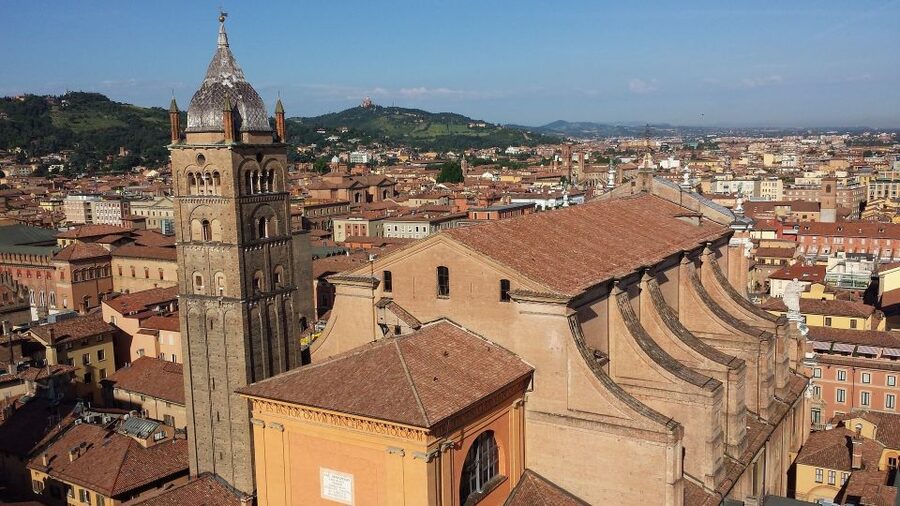
- Start at the Archiginnasio Palace: See the historic seat connected with the University of Bologna, often identified as the oldest university in the world.
- Compare Bologna’s grand squares: Piazza Maggiore and Piazza del Nettuno reveal the city’s religious and administrative power.
- Study the Two Towers from below: You’ll learn about the Asinelli and Garisenda towers without a tower climb.
- Walk beyond the headline sights: Corte Isolani, Santa Cecilia, San Giacomo Maggiore, and Quadrilatero add smaller-scale detail.
- Choose from five languages: Italian, English, French, German, and Spanish are available.
- Expect a private, accessible outing: The tour lasts two hours, is wheelchair accessible, and ends back near the starting point.
Why this Bologna architecture walk works
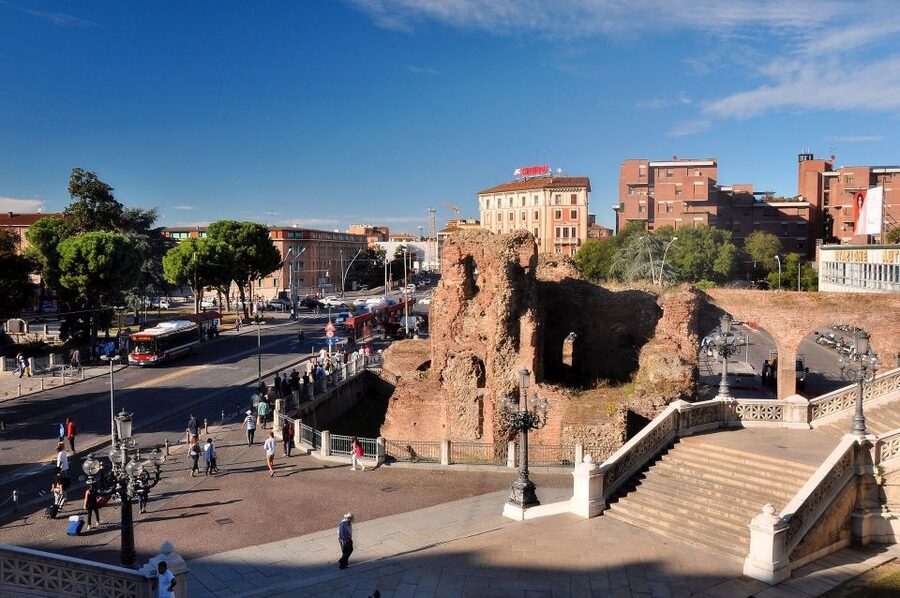
Bologna can feel confusing at first. Its center is full of arcades, narrow lanes, large public squares, churches, towers, and palaces that sit close together but do not always explain themselves. I find a guided walk useful here because the city’s architecture is less about one isolated monument and more about how buildings face one another across shared public spaces.
This tour follows that pattern. You start with the university quarter, move into the ceremonial heart of the city, then continue toward the medieval towers and the old market district. You are not simply checking off buildings. You are following the way Bologna’s institutions shaped its streets.
The private-group format is important. You can ask about a façade, pause for a question, or request more detail about a particular style. Roberta, one of the named guides, is described as informative and engaging, with a willingness to respond to personal interests. That kind of flexibility can make a real difference on an architecture tour, where one person may care about church fronts while another wants the political story behind a palace.
The price deserves a clear look. At $186.92 per person, this is not a budget introduction to Bologna. You are paying for a private group, a live guide, and a focused route rather than a large group tour. If you want a short orientation with personal attention, the cost may work for you. If you mainly want exterior photographs and a basic sense of direction, you may find two hours expensive.
More Walking Tours in Italy
- Lecce: Baroque Architecture and Underground Walking Tour
★ 4.6 · 1,248 reviews - Experience Florence’s Art and Architecture on a Walking Tour
★ 5.0 · 318 reviews - Palermo: Art and Architecture Walking Tour
★ 4.7 · 136 reviews
Meeting the guide at Archiginnasio Palace
The tour begins in front of the entrance to the Palace Archiginnasio at Piazza Galvani 1. This is a useful starting point because the building immediately places Bologna’s academic past at the center of the visit.
The Archiginnasio served as the main office building for the University of Bologna, described here as the oldest university in the world. You will begin with its exterior and receive a guided introduction before walking onward. Entrance to buildings mentioned during the tour is not included, so you should not assume that the walk includes an interior visit.
That distinction matters. The Archiginnasio is a major sight, but this experience is primarily an architectural walk through public spaces. If you want to see interiors, ask about that before booking or plan a separate visit. The tour still gives you a useful first look at the building’s role in Bologna, especially if you are interested in how a university helped shape the city.
From the starting point, the walk includes Piazza Galvani, with about 15 minutes listed for guided sightseeing and walking. This early section helps you get oriented before the route reaches Piazza Maggiore.
Piazza Maggiore and San Petronio’s unfinished face
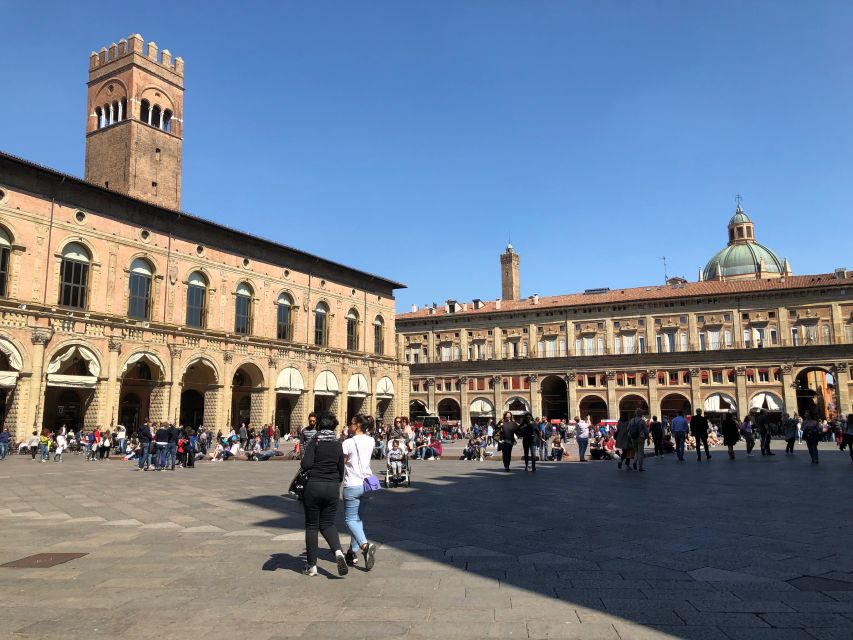
Piazza Maggiore is Bologna’s main public square and the tour’s largest architectural stage. Here, the guide can help you read the relationship between the religious centerpiece, civic palaces, and broad open space.
The Basilica of San Petronio is the key stop. Its façade is famous for its unusual appearance and imposing scale. The lower portion has a finished marble treatment, while the upper section remains visibly different, giving the front an arresting, incomplete look. The supplied details identify the church mainly through its imposing façade, so the focus here is on exterior architecture rather than an included interior visit.
I like this stop because it shows how a single church can carry several ideas at once: religious power, local ambition, artistic taste, and practical limits. With a guide, you can ask why the façade looks as it does and how it fits into the square. Without context, you might simply see a grand church with a curious front and move on.
Give yourself room to look upward. A two-hour tour moves at a steady pace, and San Petronio has enough visual detail to reward a slower glance. If church interiors are a priority, remember that admission is not included in the tour price.
Piazza del Nettuno and Bologna’s civic center
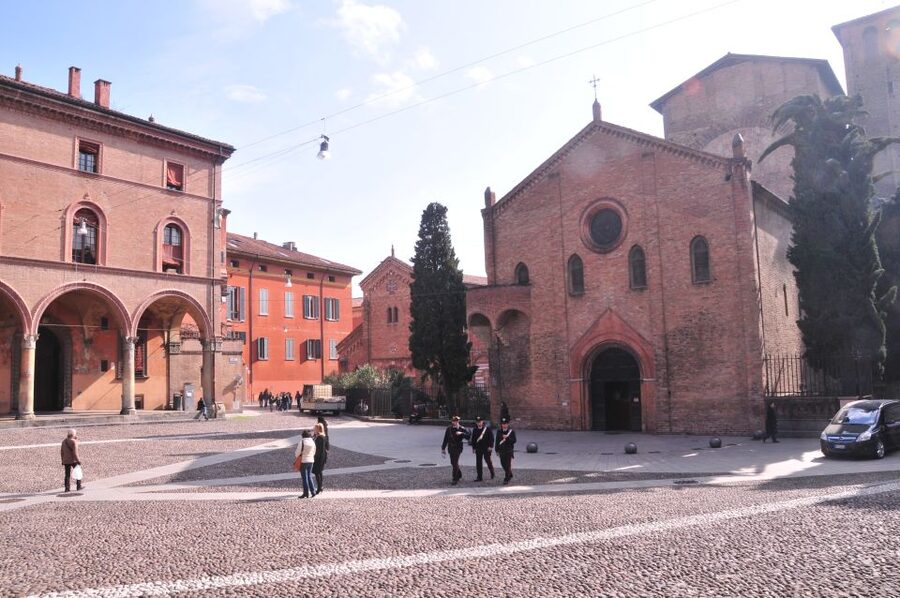
From Piazza Maggiore, you continue to Piazza del Nettuno. This square is surrounded by three important administrative buildings: Palazzo d’Accursio, Palazzo del Podestà, and Palazzo del Capitano del Popolo.
This is one of the strongest parts of the route for understanding Bologna as a working city, not only a collection of beautiful façades. The guide can explain how the buildings around the square served administrative and public functions. You will see how civic authority was arranged around a central urban space.
Palazzo d’Accursio receives its own guided sightseeing stop. Its presence helps connect the square to local government and administration. Palazzo del Podestà and Palazzo del Capitano del Popolo add to the sense that this was a place built for public business as well as ceremony.
The advantage of this section is variety. You move from a university building to a major basilica, then to government palaces. The styles do not appear in a neat museum display, and that is precisely the point. Bologna’s architecture developed through different institutions and periods, all layered into the same center.
The drawback is that architecture can become a lot to absorb in a short time. If your guide offers a long explanation at each building, you may want to say which periods interest you most. The private format gives you a better chance to shape the conversation.
Same city, a different facade:
- Naples: San Gaudioso Catacombs Guided Tour
★ 4.7 · 1,105 reviews - Caprarola: Villa Farnese, masterpiece of Renaissance architecture
★ 4.5 · 28 reviews - Best of Bologna in one day : Food, architecture, art and history
★ 5.0 · 27 reviews - City Walk with Architect: Private walking tour of Rome
★ 5.0 · 22 reviews
The Two Towers at Piazza di Porta Ravegnana
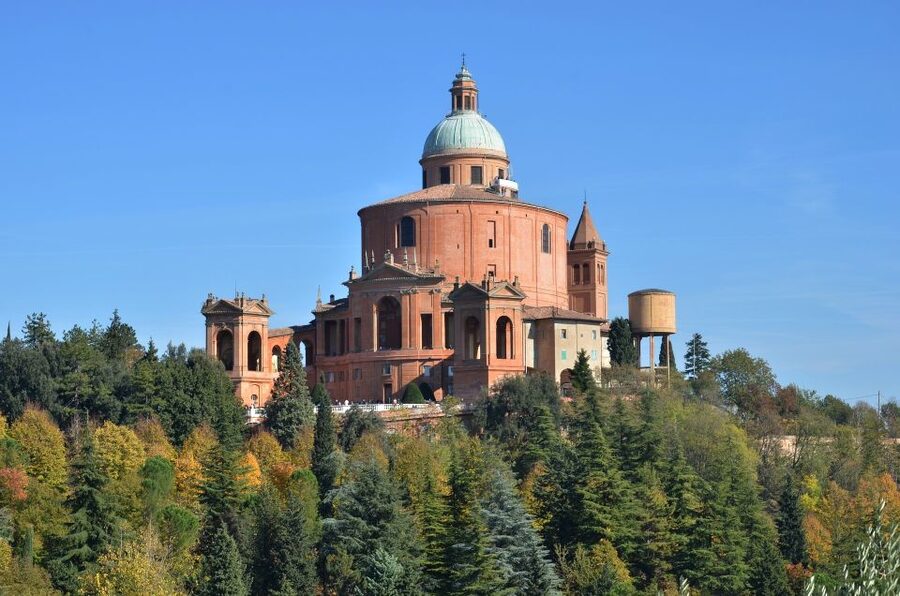
The walk then reaches Piazza di Porta Ravegnana, home to the bases of Bologna’s famous Asinelli and Garisenda towers. These are among the city’s most recognizable structures, and seeing them from ground level gives you a good sense of their scale and leaning forms.
The tour includes information about the history and features of both towers. You will not be promised a climb, and entrance to buildings is not included. Think of this stop as an architectural and historical explanation at street level.
The Asinelli and Garisenda towers are especially useful for a discussion of medieval Bologna. Their presence recalls a time when powerful families built tall towers as signs of status and strength. The guide can help you look beyond the postcard view and compare their proportions, condition, and position in the city.
I would plan this stop with realistic expectations. If you want a tower climb or a city panorama, this walk is not presented as that experience. If you want to understand why the towers matter and see them up close, it fits well.
The towers also provide a welcome change of scale. After the broad squares and large palaces, you are looking up at narrow, vertical structures that make the surrounding streets feel different. A good guide can use this moment to show how Bologna’s medieval skyline once had far more towers than the two you see today, but that broader historical detail is not specifically promised, so ask if it interests you.
Corte Isolani and the smaller details of the route
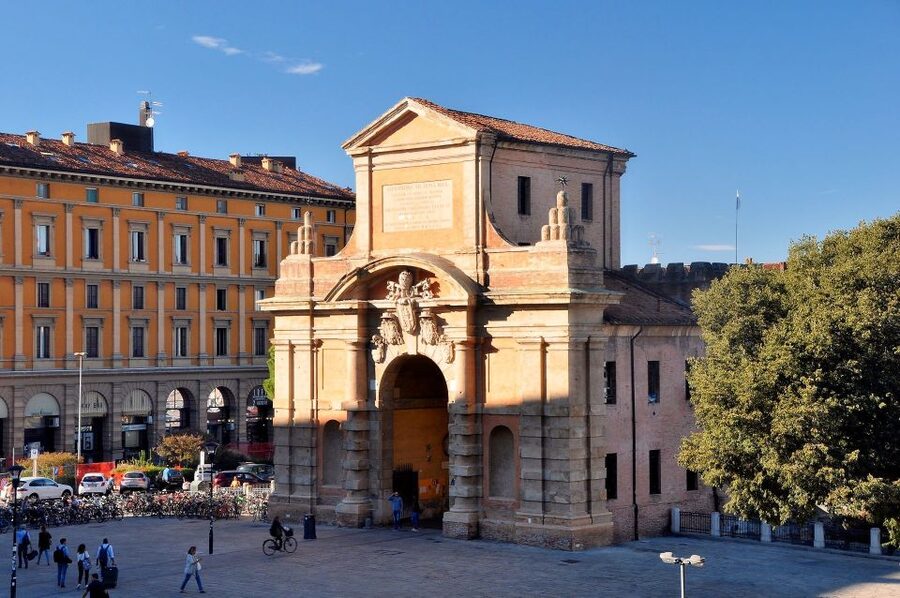
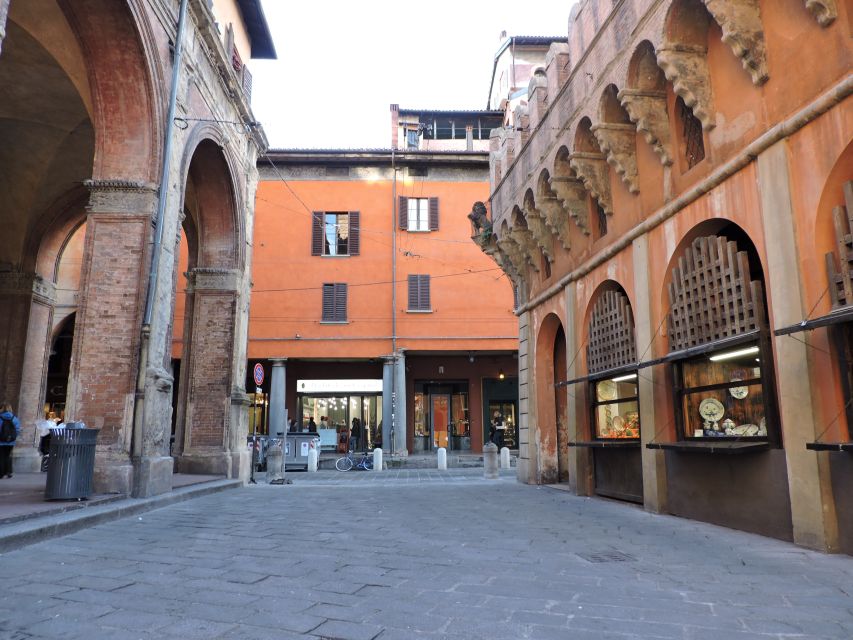
After the towers, the route continues to the wooden arch of Corte Isolani. This is the sort of detail I appreciate on a city walk. Large basilicas and palaces explain public power, while a passage or arch can reveal how people moved through the city at a more ordinary scale.
The wooden arch gives the walk a change of mood. You are no longer looking only at monumental façades. You are paying attention to construction details and the way buildings connect across Bologna’s streets.
The route also includes the Oratory of Santa Cecilia. The supplied information does not promise entry, so expect to view and discuss it from the outside unless the guide tells you otherwise. This is another reason to think of the experience as an exterior architecture walk rather than a ticketed monument tour.
You will then admire the exterior of San Giacomo Maggiore. Again, the emphasis is on the church’s outside. The sequence works well because it lets you compare different kinds of religious architecture after seeing San Petronio. You get a broader sense of how churches contribute to the street, the square, and the surrounding neighborhood.
These smaller stops may appeal most to visitors who have already seen Bologna’s main landmarks. The tour does not stop at the headline sights and send you straight back. It adds architectural details that you could easily pass without noticing.
Ending in Quadrilatero’s market streets
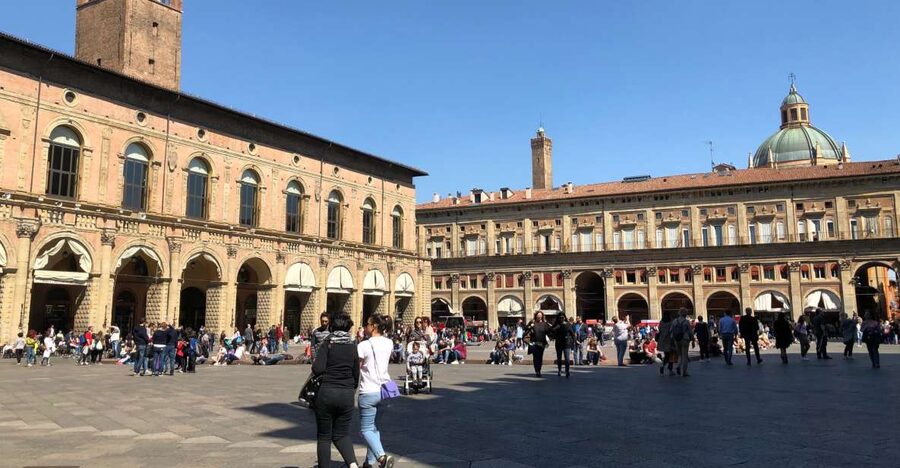
The walk finishes in the Quadrilatero, an area known for markets and shops. This is a practical ending because you can continue exploring, eat, shop, or simply use the district as a base for the rest of your day.
Quadrilatero also brings the tour back to everyday city life. After the formal squares, university building, basilica, government palaces, and towers, the market quarter shows a more commercial side of Bologna. The contrast helps you understand how the historic center still functions as part of the living city.
The activity ends back at the meeting point near the Archiginnasio. That return is useful if you have left luggage nearby, need to meet someone, or want to continue visiting the center from a known location. The supplied route also lists the Archiginnasio as the return point, so confirm the exact end instructions with the guide when you meet.
What the two-hour schedule means for you
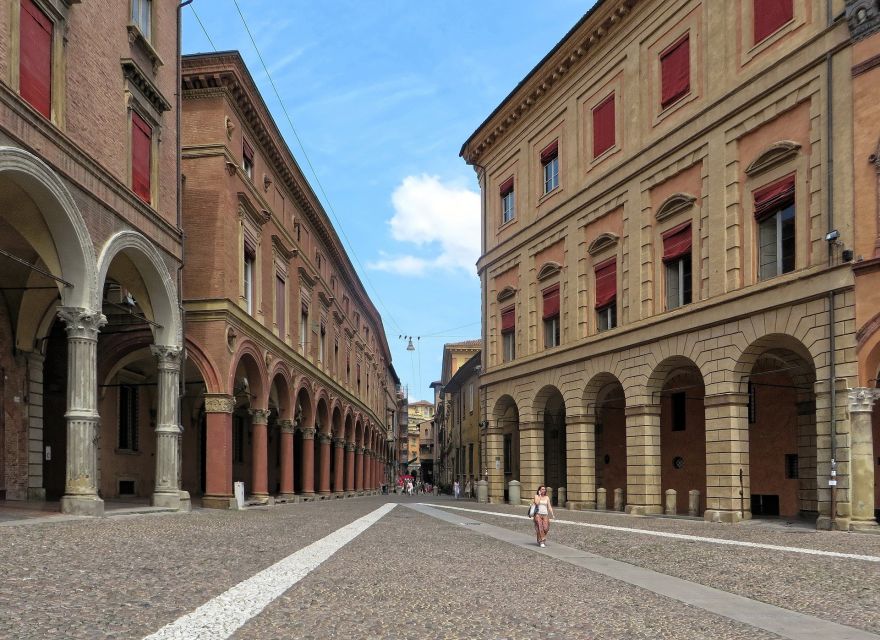
Two hours is enough for a strong introduction, but not enough for long interior visits, extended photography, or a relaxed stop at every building. The route covers several important areas, so you should expect walking and regular movement between sights.
The tour is offered with a live guide in Italian, English, French, German, or Spanish. Selecting the language that lets you ask questions easily matters more here than on a simple photo walk. Architectural terms and historical explanations can become difficult to follow if you are working too hard to translate in your head.
The tour is wheelchair accessible, which is valuable for visitors who need an accessible route. Still, it is sensible to mention any specific mobility needs when booking, since a historic center includes public streets, squares, and older surroundings. The supplied information confirms accessibility but does not give a detailed surface-by-surface description.
Because it is a private group, the experience should suit families, couples, or friends who want the guide’s attention directed toward their interests. It can also work well at the start of a Bologna visit, when you want the city’s main buildings explained before returning to explore them on your own.
Price, flexibility, and what is not included
The listed price is $186.92 per person. For a two-hour walk, that is a premium rate. Its value depends on how much you want a private guide and how many people are in your party. A private experience can be worthwhile if you prefer questions, a chosen language, and a route that does not depend on a large group’s pace.
The price does not include entrance to any buildings mentioned. Budget separately if you want to go inside the Archiginnasio, San Petronio, San Giacomo Maggiore, or another site along the route. Do not book this expecting a package of admission tickets.
The booking terms offer practical flexibility. You can reserve now and pay later, and cancellation is available up to 24 hours in advance for a full refund. Starting times depend on availability, so check the schedule before building the rest of your Bologna day around the walk.
The activity provider is Florence Tours by Made of Tuscany. Despite that provider name, the experience described here takes place in Bologna and focuses on the city center. The available rating is 4.5 from two reviews, a small sample. The clearest personal detail is the praise for Roberta’s informative, engaging guidance and her attention to individual questions.
Who should book this Bologna walk?
I would recommend it most strongly to you if architecture is a main reason for visiting Bologna, or if you want a private introduction before exploring alone. The route covers the city’s most important central buildings without requiring transport, and the five-language choice makes it accessible to a broad range of visitors.
It is also a good fit if you prefer context over a list of photo stops. The guide links the university, church, government buildings, towers, arch, oratory, and market quarter into one story about the city center.
I would hesitate if you are watching your budget, want extensive interior access, or mainly want a panoramic view. The price is high for two hours, and the tour does not include building admissions or a tower climb. In that case, you may get better value from a lower-cost group walk or self-guided route, though you would give up the private guide’s ability to answer your questions.
If you do book, arrive ready to look up and around. The best parts are not only the famous façades, but also the way Bologna’s buildings frame one another and lead you from formal squares into working market streets.
FAQ
Where does the tour start?
The tour starts in front of the entrance to the Palace Archiginnasio at Piazza Galvani 1 in Bologna.
Where does the tour end?
The activity ends back at the meeting point near the Biblioteca Comunale dell’Archiginnasio.
How long does the walking tour last?
The tour lasts two hours. Starting times depend on availability.
What languages are available?
The live guide can conduct the tour in Italian, English, French, German, or Spanish.
Is the tour private?
Yes. The activity is offered for a private group.
Is the tour wheelchair accessible?
Yes, the activity is listed as wheelchair accessible.
Are entrance tickets included?
No. Entrance to the buildings mentioned during the tour is not included.
What landmarks will I see?
The route includes the Archiginnasio Palace, Piazza Galvani, Piazza Maggiore, the Basilica of San Petronio, Piazza del Nettuno, Palazzo d’Accursio, the Two Towers, Corte Isolani, the Oratory of Santa Cecilia, San Giacomo Maggiore, and the Quadrilatero area.
Can I cancel or pay later?
You can reserve now and pay later. Cancellation up to 24 hours in advance qualifies for a full refund.
Newly added in Italy
- Vicenza: Palladian Architecture Private Walking Tour★ 3.3 · 3 reviews
- Private Personalized Architecture Tour of Rome with an Architect★ 5.0 · 5 reviews
- Architectural Milan: Private Tour with a Local Expert★ 4.5 · 2 reviews
- The Architect’s Water★ 4.5 · 11 reviews
- Architectural Florence: Private Tour with a Local Expert★ 5.0 · 3 reviews
- Rione Sanità: tour among street art, architecture, folklore★ 4.5 · 2 reviews
- Palermo Tour: Magnificent Mixture Of Architectural Styles★ 4.2 · 6 reviews
- Discover Coppedè in Rome: Liberty architecture, symbols, and jewels★ 5.0 · 2 reviews
Walking Tours, compared.
The Official Art Deco Walking Tour by The Miami Design Preservation League
Read our review →
Baroque Architecture and Underground Walking Tour
Read our review →
Chicago in a Day: Food, History & Architecture Walking Tour
Read our review →
Ramblas, Old Town, Gothic and Gaudi Architecture Walking Tour
Read our review →
Chicago’s Secret Interiors Architectural Walking Tour
Read our review →
Browse the lists this tour appears in